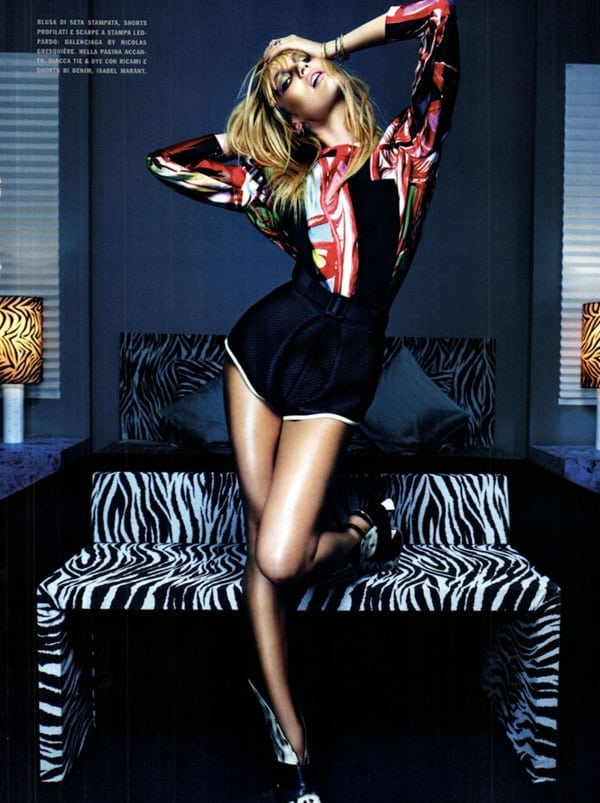
Alexander Wang is an American fashion designer known for building a polished downtown wardrobe around sporty basics, grunge references, and a deliberately undone finish. He launched his namesake womenswear label in 2007 after leaving Parsons The New School for Design, and his work quickly became associated with black-heavy palettes, sharp tailoring, jersey, denim, leather, and the kind of clothes that look casual until their cut is examined closely.
- Born in 1983, in the United States.
- Moved to New York City at 18 to study fashion at Parsons.
- Left school before graduating and started his label in 2007.
- Built a signature look that mixes nineties sportswear, French chic, and rock-influenced grunge.
- Expanded beyond clothing into accessories, footwear, and furniture design.
How did Alexander Wang become known?
Wang emerged in New York at a moment when fashion rewarded speed, nightlife references, and a fresh read on luxury basics. His early collections focused on clothing that felt immediate and urban: T-shirts, hoodies, slip dresses, leather jackets, skinny trousers, and easy separates that relied on proportion and finish rather than ornament. The appeal came from tension. The garments looked relaxed, but they were controlled and exact, with precise shoulders, strong seams, and a clear silhouette.
That approach gave his label a recognizable identity quickly. Wang’s clothes often suggested someone who had just thrown them on, even when the construction was carefully engineered. The “rolled-out-of-bed” effect was part styling and part design language, supported by a restricted palette and a preference for materials that read cleanly on the body, especially stretch jersey, denim, silk, and treated leather.
What does the Alexander Wang look actually involve?
The signature look mixes athletic ease with a downtown edge. Black appears often, along with charcoal, white, and muted neutrals. Shapes tend to be narrow or slightly oversized, but rarely decorative. A T-shirt might be cut to fall just off the shoulder; a blazer might be boxed but softened by drape; a dress might skim the body without feeling formal. The result is less about glamour in the classic sense than about controlled nonchalance.
Material choice matters to that effect. Wang has repeatedly used fabrics that can hold shape while still seeming casual: heavyweight cotton jersey, leather with a matte finish, technical synthetics, washed denim, and sleek woven cloths. In practice, this means garments that photograph strongly and move easily, which helped make the label a favorite of editors, stylists, and celebrities looking for clothes that read modern without looking fussy.
Why does Alexander Wang matter in fashion?
Wang mattered because he helped define a version of luxury that felt informed by streetwear, club culture, and the post-1990s city wardrobe. He did not invent those influences, but he packaged them into a coherent commercial language at a time when the gap between runway fashion and everyday dressing was narrowing. His success showed that a designer could build a major label from basics if the basics had enough attitude, consistency, and fabrication discipline.
He also became part of a wider shift in fashion marketing, where identity, styling, and product all had to speak the same visual language. His label’s sharp visual codes carried into campaigns, runway staging, and later collaborations. That made the brand easy to recognize, easy to place in editorials, and easy to translate into adjacent categories such as accessories and interiors.
What happened when he moved beyond clothing?
Like many contemporary designers, Wang extended his language into other products. Accessories and footwear allowed the same mix of utility and edge to continue at a smaller scale. In furniture, the logic changes but the visual habits remain: clean lines, dark finishes, and an interest in the materials and surfaces that make an object feel urban and modern. His collaboration with Poltrona Frau, for example, placed that sensibility into upholstered furniture rather than a garment.
These extensions matter because they show how a fashion brand can operate as a broader design system. The same taste for restrained color, soft toughness, and minimal but intentional detailing can be carried from clothing to objects. In Wang’s case, that consistency is the point: the brand sells not just garments, but a way of looking at form, texture, and contemporary city style.
Frequently Asked Questions
Is Alexander Wang’s style more minimalist or more streetwear?
It sits between the two. The clothes are usually stripped of decoration, which gives them a minimalist surface, but the references come from streetwear, sportswear, and nightlife rather than from pure modernism. That combination is what makes the label feel casual and polished at the same time.
What materials are most associated with his work?
Jersey, denim, leather, silk, and technical fabrics appear often in his collections. These materials support the brand’s focus on ease, movement, and a slightly worn-in finish. He tends to use them in ways that emphasize silhouette and texture more than embellishment.
Did Alexander Wang only design clothes?
No. His brand expanded into accessories, footwear, and some furniture-related work, including a collaboration with Poltrona Frau. Those projects use the same visual language as the clothing: dark palettes, clean lines, and a preference for functional surfaces. They show how a fashion designer can carry a brand identity across different kinds of objects.
Articles mentioning Alexander Wang (designer)