
Barilla Group is an Italian food company best known for industrial pasta, sauces, and bakery products. Founded in Parma in 1877 as a small bread and pasta shop, it grew into one of the largest pasta makers in the world and a major name in packaged food across Europe, the Americas, and beyond.
Stories from Barilla Group
1 story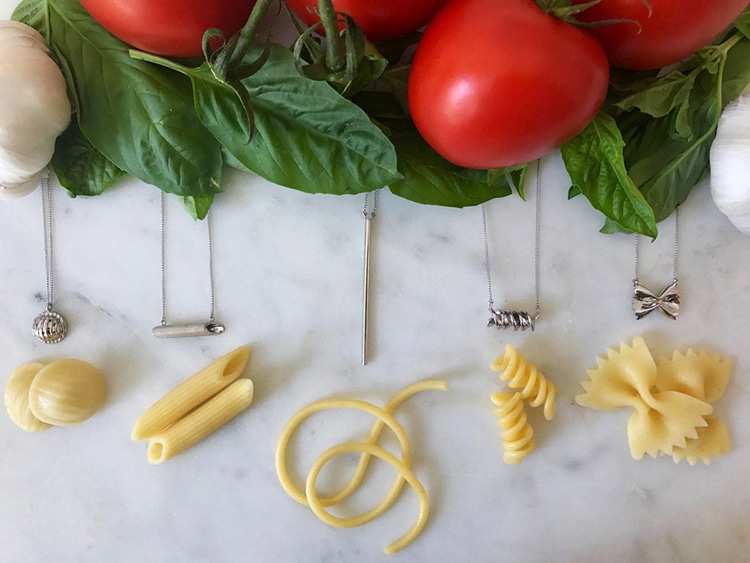
About Barilla Group
- Founded in 1877 in Parma, Italy, by Pietro Barilla.
- Still family-controlled, with the Barilla family central to its ownership and leadership history.
- Known for producing dried pasta at industrial scale, especially wheat-based pasta shapes sold in blue packaging.
- Its business extends beyond pasta to sauces, baked goods, and food brands including Mulino Bianco, Wasa, and Harrys in some markets.
- Often appears in discussions of Italian food culture, global food manufacturing, and philanthropy around hunger relief and nutrition.
Read the full overviewHow did Barilla become so influential?, What does Barilla make?, Why does Barilla matter in visual culture?, How is the company seen today?
How did Barilla become so influential?
Barilla began as a bakery and pasta shop in Parma, a city in Italy’s Emilia-Romagna region with a deep pasta-making tradition. The company expanded under successive generations of the Barilla family, moving from local production to mechanised manufacturing as demand for shelf-stable pasta increased in the 20th century. That shift mattered: dried pasta travels well, stores for long periods, and can be produced consistently at large volumes, which made it a natural product for industrial food systems.
By the late 20th century, Barilla had become synonymous with packaged Italian pasta for many consumers. Its growth came from scale, branding, and distribution as much as from the product itself. The company helped standardise the look of supermarket pasta: uniform shapes made from durum wheat semolina, tightly controlled drying, and mass-market packaging designed for everyday use rather than artisan display.
What does Barilla make?
Barilla is best known for dried durum-wheat pasta in a wide range of shapes, from spaghetti and penne to farfalle, fusilli, and specialty cuts. It also produces pasta sauces, ready meals in some markets, breads, crispbreads, biscuits, and bakery items under a collection of brands. That breadth reflects the company’s position as a food manufacturer rather than a single-product pasta producer.
In practice, Barilla’s production relies on industrial food processing: mixing semolina and water, extruding or shaping the dough, then drying it under tightly managed conditions to preserve texture and shelf life. The company’s packaging and branding are part of the product’s identity too. The familiar blue box has become a global signal of mainstream pasta, instantly legible in supermarkets and kitchens alike.
Why does Barilla matter in visual culture?
Barilla matters because it sits at the junction of food, design, and mass communication. Its packaging is one of the most recognisable examples of supermarket branding in Europe, with a restrained visual language built around colour, type, and product clarity. That makes it useful as a case study in how industrial food brands create trust and familiarity through repetition rather than spectacle.
The company also appears in contemporary design and craft projects because pasta has become more than a pantry staple; it is a cultural form with strong visual associations. Designers and artists often borrow pasta’s shapes, material symbolism, and domestic familiarity to talk about labour, comfort, affordability, and everyday ritual. Barilla’s products are part of that visual vocabulary, even when the company itself is not the subject of the work.
How is the company seen today?
Barilla presents itself as a company focused on food quality, sustainability, and social responsibility, while continuing to operate at global scale. Like other large food manufacturers, it has faced scrutiny over labour practices, supply chains, and the environmental impact of industrial agriculture and packaging. Its public image therefore combines heritage and modern corporate management, with Italian origin story functioning as a key part of its appeal.
For many people, Barilla represents a particular version of Italian food: reliable, exportable, and adapted for global supermarkets. It is not an artisan pasta maker, and it does not pretend to be one. Its importance lies in showing how a regional craft product can become a standardised industrial good without losing the cultural weight attached to it.
Frequently Asked Questions
Is Barilla an Italian company?
Yes. Barilla was founded in Parma, Italy, and remains closely associated with Italian food culture and manufacturing. Its headquarters and corporate identity are rooted in that origin, even though its products are sold internationally.
What is Barilla best known for?
Barilla is best known for packaged dried pasta, especially the blue-box pasta sold in supermarkets. It also makes sauces and other baked or cereal-based foods, but pasta remains the core of its reputation. The brand is closely tied to the idea of everyday Italian cooking.
Why does Barilla come up in design and craft writing?
Barilla often appears because pasta is visually distinct, culturally loaded, and mass-produced in a highly designed form. Its packaging, product shapes, and place in domestic life make it useful for discussions of branding, material culture, and the aesthetics of ordinary food. In some stories, the company is mentioned because its products or values are connected to fundraising or social initiatives.