
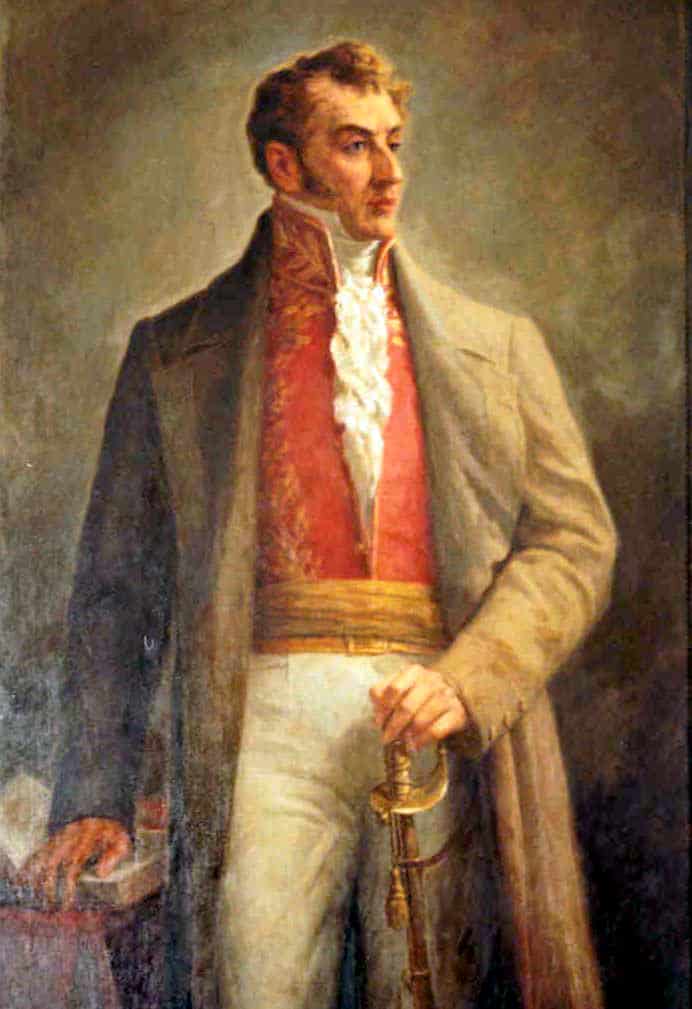
Colombian people are the people of Colombia, a South American country with a large Spanish-speaking population and a long history of Indigenous, African, European, and Middle Eastern influence. The term can describe citizens of Colombia, people born there, or members of the Colombian diaspora abroad.
- Colombia is one of the most culturally diverse countries in Latin America.
- Colombian identity is shaped by Indigenous nations, Spanish colonial history, African ancestry, and later migration from Europe and the Middle East.
- Spanish is the main language, but many Indigenous languages are still spoken across the country.
- Roman Catholicism has been the dominant religion historically, though Colombia is now religiously diverse.
- Colombian culture is visible in architecture, craft, music, food, and contemporary art.
Who are Colombians?
Colombians are the people connected to Colombia by birth, citizenship, ancestry, or cultural affiliation. Colombia itself is not a single ethnic group but a nation built from many populations, including Indigenous communities, descendants of enslaved Africans, Spanish settlers, and later migrants from places such as Lebanon, Syria, Germany, and Italy. That mix has produced a national identity that is broad rather than uniform.
Because Colombia spans the Andes, the Caribbean coast, the Pacific coast, the Amazon, and the Llanos plains, Colombian life varies sharply by region. A person from Barranquilla may have different speech, food, music, and building traditions from someone in Bogotá or a rural Amazonian community, yet all may identify as Colombian.
How did Colombian identity form?
Colombian identity emerged through colonization, independence, and the long process of mixing and negotiating among different peoples. Before Spanish rule, the territory was home to many Indigenous societies with their own languages, farming systems, textiles, ceramics, and architecture. Spanish conquest brought Catholic institutions, new political systems, and Iberian building methods, but these were never simply copied; they were adapted to local climates, materials, and labor systems.
African cultures entered the country through the transatlantic slave trade, especially on the Caribbean and Pacific coasts, and remain central to music, food, language, and visual culture. In the 19th and 20th centuries, Arab-Christian and Muslim migrants from the Levant added another layer, especially in commerce and urban life. Modern Colombian identity therefore reflects both coercive colonial history and later creative blending.
What does Colombian culture look like in practice?
Colombian culture appears in many forms, from everyday craft to major urban projects. In design and architecture, that can mean tropical responses to climate, the use of bamboo or earth, and community-centered public buildings. In art, it can mean work that draws on soil, birds, natural pigments, or domestic objects, often with attention to memory, landscape, and material transformation.
Food, dress, music, and language also carry regional distinctions. Arepas, tamales, sancocho, coffee, cumbia, vallenato, and champeta are all part of a broader Colombian cultural field, but each has local roots and variations. Contemporary Colombian makers often work at the boundary between craft and fine art, using materials such as clay, plant fibers, timber, and woven textiles in ways that feel both rooted and contemporary.
Why does Colombia matter in visual culture?
Colombia matters because it is a place where material culture is closely tied to geography and social history. Design and architecture often respond directly to heat, rainfall, soil, and timber availability; artists often work with earth, natural dyes, and handmade processes that carry Indigenous and rural knowledge. This gives Colombian work a strong physical presence and a clear connection to place.
Colombian artists and designers have also gained international attention for work that is both locally grounded and conceptually rigorous. Their practice often resists a clean division between art, craft, and utility. That is part of why Colombian references appear in contexts as varied as sculpture, furniture, architecture, and communal building projects.
Is Colombian the same as Colombian Spanish or Colombian culture?
No. Colombian can describe a person, but it can also describe language, customs, or products associated with Colombia. Colombian Spanish refers to the varieties of Spanish spoken in Colombia, which differ by region in accent, vocabulary, and rhythm.
Colombian culture is even broader. It includes Indigenous traditions, Afro-Colombian practices, regional music, religious customs, foodways, and contemporary urban culture. The term is useful, but it should not flatten the country’s internal diversity.
Frequently Asked Questions
Are Colombians ethnically homogeneous?
No. Colombia is one of the most ethnically mixed countries in South America, with Indigenous, Afro-Colombian, mestizo, white, and immigrant-descended populations. Regional histories also matter, since the social makeup of the Caribbean coast is not the same as that of the Andes or the Amazon.
What languages do Colombians speak?
Spanish is the dominant language in Colombia and the main public language used by Colombians nationally. More than 60 Indigenous languages are still spoken, including Wayuunaiki, Nasa Yuwe, and Emberá languages. Some Afro-Colombian communities also preserve distinct speech traditions and local vocabulary.
What materials and traditions are closely associated with Colombian making?
Colombian making often involves earth, clay, bamboo, wood, plant fibers, textiles, and metalwork, depending on the region and tradition. Indigenous and rural practices have shaped basketry, ceramics, weaving, and building methods, while urban designers and artists continue to adapt those materials in contemporary work. The result is a visual culture where process matters as much as final form.
Articles mentioning Colombian people


