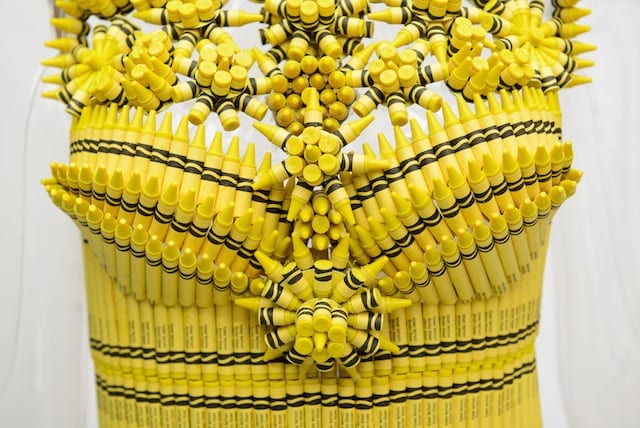
Crayola is an American manufacturer of artists’ supplies, best known for crayons, that grew from an industrial pigment business into a major producer of school and home art materials. Founded as Binney & Smith Company and now based in Forks Township, Pennsylvania, it helped turn wax crayons, colored pencils, markers, paints, chalk, and modeling clay into everyday tools for children’s drawing and classroom color work.
- Crayola began as a pigment company before moving into consumer art supplies.
- Its signature product is the wax crayon, developed for easy, low-cost coloring at home and in school.
- The company’s manufacturing still relies on high-volume, highly standardized production.
- Its color names, packaging, and seasonal sets shaped how generations learn and use color.
- Crayola products sit at the intersection of industrial manufacture and childhood craft.
Where did Crayola come from?
Crayola’s origins lie in the late nineteenth-century pigment trade. Binney & Smith first supplied industrial colorants, including materials used in paint, printing, and coatings, before identifying a market for safer, cleaner coloring tools for children. That shift produced the crayon line that made the company famous and changed its identity from a materials supplier into a consumer brand.
The move mattered because it translated complex color chemistry into a simple, durable object. A crayon could be held by small hands, stored in a box, and used on paper without brushes, water, or mixing. That practicality helped Crayola become a fixture in classrooms, kitchens, and stationery aisles.
What makes a Crayola crayon different?
A Crayola crayon is a wax-based drawing stick made from pigment, binder, and fillers, cast or extruded into a standardized shape. The familiar hexagonal or round forms are designed to resist rolling, survive rough handling, and leave a consistent mark. The wrapper serves both as branding and as protection, keeping wax from smudging hands.
What made the product distinctive was not only its form but its consistency. Crayola became associated with reliable color, low cost, and broad availability, which made it useful for school supply lists and mass education. The company also expanded the idea of the crayon box into a system of named colors, special editions, and larger assortments that made color feel both orderly and collectible.
How are Crayola products made?
Crayola’s manufacturing is industrial rather than artisanal, even when the end product is meant for children’s art. Pigments are blended with waxes and other ingredients, heated, shaped, cooled, and wrapped at speed. The company is known for using long-running machinery and large-scale production lines that can turn out billions of crayons a year.
That process matters to the object’s character. The crayon’s smooth laydown, bright saturation, and slight wax sheen all come from controlled mixing and forming. Even the breakage and wear patterns are part of the material experience: a sharpened colored pencil, a worn stub of crayon, or a dry marker nib all show how the product has been used.
Why does Crayola matter in visual culture?
Crayola helped standardize childhood color education. Its products became the default tools for drawing letters, coloring worksheets, making posters, and learning names for hues. The brand also helped define what “normal” art materials looked like in the twentieth-century home: simple, safe, cheap, and sold in sets.
Its influence extends beyond school desks. Designers, artists, and advertisers often borrow Crayola’s palette and packaging language because it instantly signals play, nostalgia, and mass familiarity. A Crayola box is also a design object: the logo, color bands, and array of labeled hues create a visual system that is more than packaging, shaping how color is sorted and remembered.
What does Crayola look like in practice?
In practice, Crayola appears as boxed sets of crayons, colored pencils, markers, paints, and clay arranged by count, color family, or use. A 24-count crayon box, for example, gives a compact lesson in naming and ordering color, while larger sets expand that system into tertiary shades, metallics, and neons. The products are usually sold with clear age ranges and classroom-friendly labeling.
Its presence is especially strong in retail displays and school supply merchandising. Rows of uniform sticks, plastic marker barrels, and bright boxes create a visual rhythm that is easy to spot from across a store. Crayola’s goods are made to be seen as a family, which is part of why the brand reads so clearly in both classrooms and commercial design.
Frequently Asked Questions
Is Crayola only a crayon company?
No. Crayola began with crayons, but it now makes a wider range of art supplies, including markers, colored pencils, paints, chalk, and modeling clay. The crayon remains its most recognizable product, but the company’s business reaches much further into school and craft materials.
Why are Crayola colors so memorable?
Crayola names and packages colors in a way that makes them easy to learn and repeat. The brand has long treated color as a system, not just a material, so the box becomes a kind of visual dictionary. That is part of why specific shades and names stay lodged in memory.
Are Crayola products used by artists or mostly by children?
Crayola is primarily associated with children and education, but its materials have also been used by designers, illustrators, and artists. The tools are simple, affordable, and visually direct, which can be useful in sketching, prototyping, and playful image-making. Their cultural status comes from that broad accessibility rather than from fine-art exclusivity.
At a glance
- Address
- Forks Township, United States
Articles mentioning Crayola