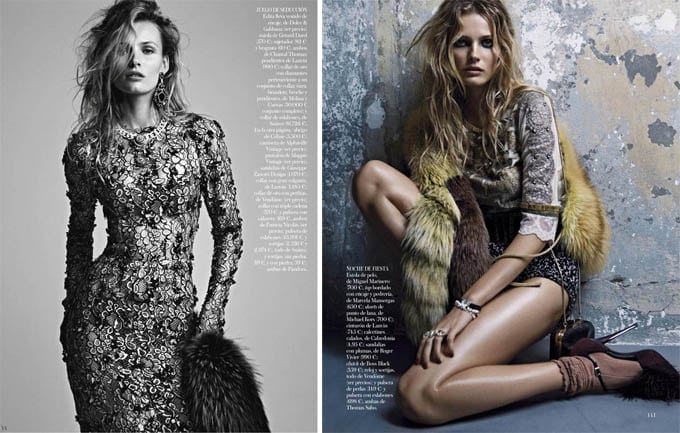
Edita Vilkevičiūtė is a Lithuanian fashion model known for editorial work, runway appearances, and advertising campaigns. She built her career in the late 2000s and became a familiar face in glossy magazine spreads and brand imagery, especially for labels that favor a polished, body-conscious, and slightly glamour-led look. Her surname is often rendered without Lithuanian diacritics as Edita Vilkeviciute.
| Born | 1 January 1989 |
|---|---|
| Nationality | Lithuanian |
| Field | Fashion modelling |
| Known for | Runway shows, editorial shoots, advertising campaigns |
| Name variants | Edita Vilkeviciute |
How did she become known in fashion?
Vilkevičiūtė emerged during the period when fashion magazines and luxury campaigns still relied heavily on distinctive, high-recognition models to carry an image across print, runway, and billboards. Her face and figure suited the aesthetic of the late 2000s and early 2010s, when many fashion houses wanted models who could move between polished editorial glamour and commercial clarity without losing character. That made her useful to photographers, stylists, and art directors working across different kinds of image-making.
Her work is visible in the kind of fashion culture that FreeYork often documents: magazine editorials, seasonal lookbooks, and campaign photographs where clothing, pose, light, and styling all matter equally. A model in this setting is not just a body wearing clothes but part of the visual language of the shoot. Vilkevičiūtė’s career shows how a model can become part of the identity of a brand or a publication without becoming a celebrity in the tabloid sense.
What does her work look like in practice?
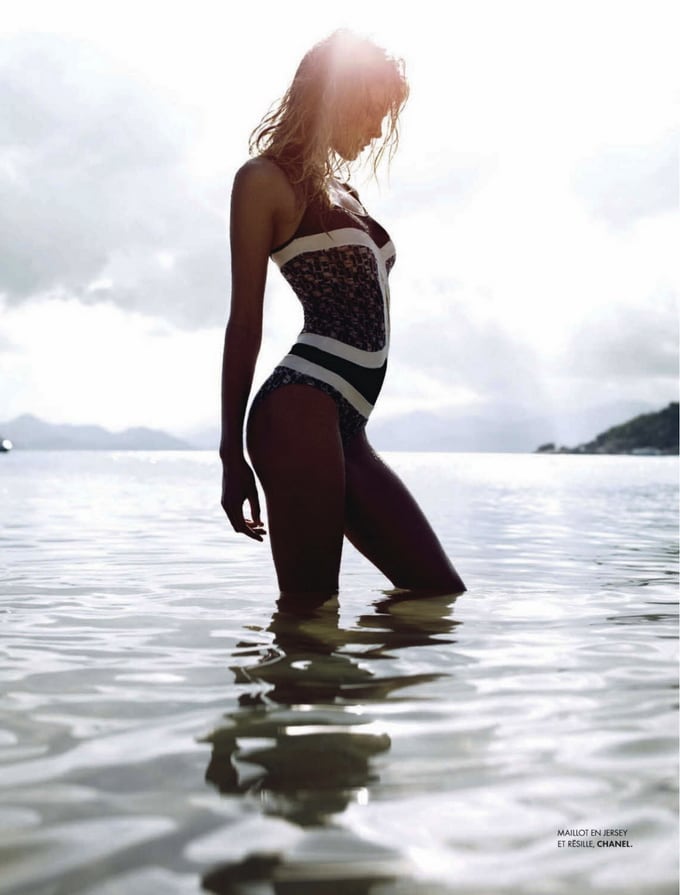
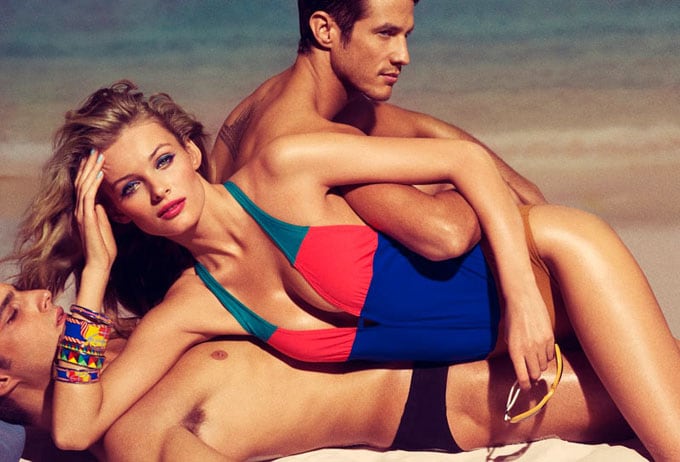
Her images tend to rely on controlled elegance rather than overt theatrics. In editorial photography, that can mean clean lines, direct gaze, and poses that emphasize fabric, silhouette, or movement. In campaign work, she often appears in a way that allows the clothing or accessories to remain central while still giving the image a memorable human presence.
That versatility matters because fashion photography depends on small shifts in expression and posture. A model like Vilkevičiūtė may appear very different depending on whether the brief calls for quiet luxury, beachwear, retro styling, or a sharper commercial image. The same person can read as cool, sensual, soft, or severe depending on lens choice, styling, and the publication’s editorial direction.
Where has she appeared?
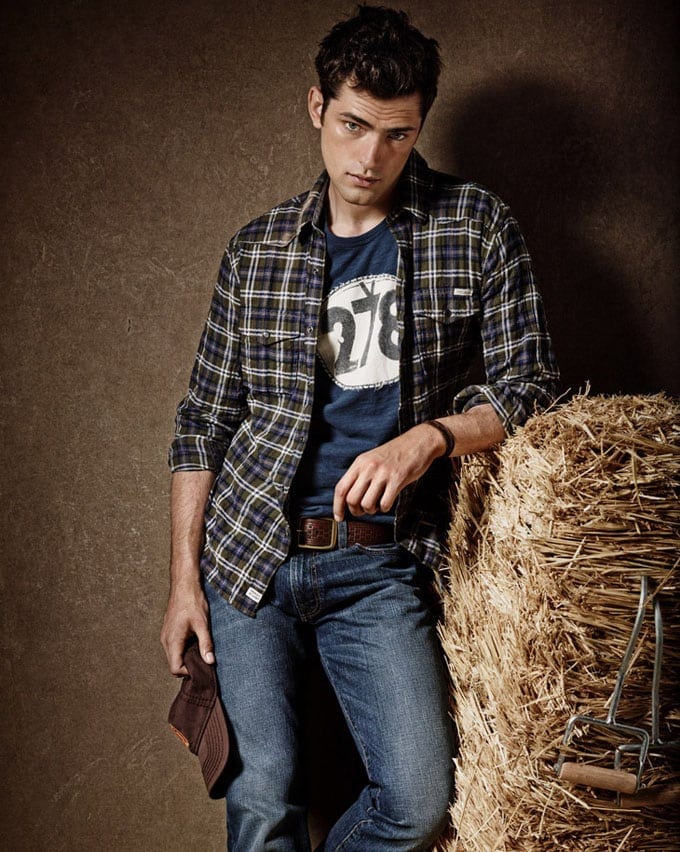
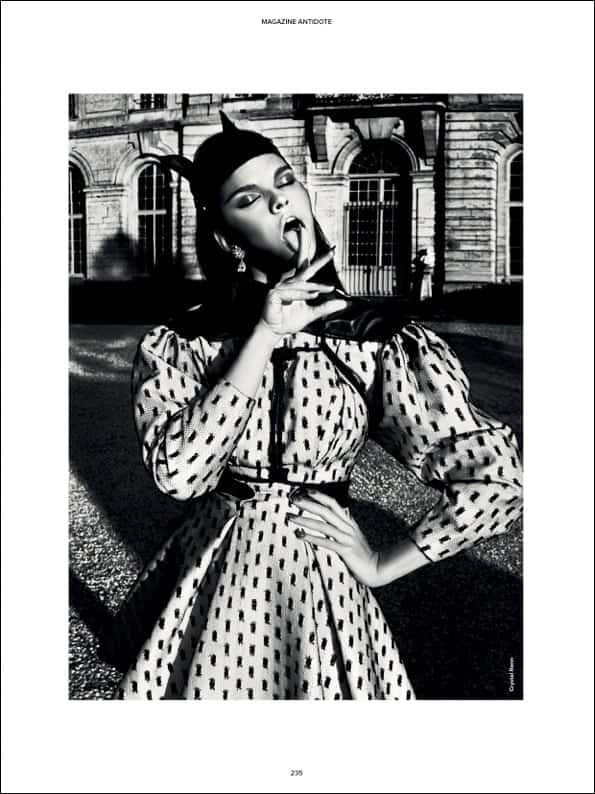
Her name is associated with magazine and campaign work that spans fashion editorial and advertising. The tagged FreeYork articles point to a visible presence in shoots for publications such as Vogue Spain and Allure, as well as themed magazine features like an animal issue for Antidote. She also appears in branded campaign contexts, including work tied to Lucky Brand.
This spread across magazine culture and advertising is typical of successful fashion models. Editorial pages give a model cachet and creative range; campaigns give commercial reach and wider recognition. Vilkevičiūtė’s career sits at that intersection, where a model’s image becomes part of both fashion storytelling and selling clothes.
Why does she matter in fashion imagery?
Models like Vilkevičiūtė help define what an era of fashion looks like. Casting choices shape the mood of an editorial before a single garment is discussed. Her frequent use in polished, contemporary fashion contexts reflects a period that valued strong symmetry, clean styling, and a controlled kind of sensuality.
She also illustrates how international fashion works through a small number of highly recognizable faces circulating between cities, magazines, and brands. Lithuanian models have played an important role in that system, and Vilkevičiūtė is one of the names that helped make Eastern European talent central to runway and editorial culture in the 21st century.
Frequently Asked Questions
Is Edita Vilkevičiūtė mainly a runway or editorial model?
She has worked in both areas, which is part of what made her visible. Editorial work helped establish her image in magazines, while runway and campaign work expanded that presence into the wider fashion market. Many successful fashion models move between these roles, and she fits that pattern.
Why is her name sometimes spelled without accents?
International fashion media often drops diacritics when publishing names in English-language contexts. That is why Edita Vilkevičiūtė frequently appears as Edita Vilkeviciute. Both forms refer to the same model.
What kind of fashion aesthetic is she associated with?
She is often linked to sleek, glamorous, and editorially polished styling. Her work fits images that depend on strong line, body awareness, and a sense of refined composure. That makes her useful for both fashion magazines and commercial campaigns.
Articles mentioning Edita Vilkevičiūtė