
Halloween is a yearly observance on 31 October, marked by costumes, carved pumpkins, trick-or-treating, haunted imagery, and public events that borrow from older folk customs around the boundary between autumn and winter. It began as a blend of Christian and pre-Christian seasonal practices in parts of Europe and later became a mass-cultural holiday in North America, where it took on its modern visual form through retail, film, print, and community performance.
Stories from Halloween
25 stories




About Halloween
- Halloween falls on 31 October and centres on themes of disguise, death, harvest, and the supernatural.
- Its roots combine the Christian calendar with older seasonal customs such as Samhain and All Hallows’ Eve observances.
- Modern Halloween is built from costume making, lantern carving, confectionery, decorative display, and staged fright.
- Its look is highly material: paper masks, latex prosthetics, pumpkin shells, candlelight, plastic decor, and printed ephemera all shape the holiday’s visual identity.
- It matters as both a living folk event and a commercial design season that repeatedly renews its symbols.
Read the full overviewWhere did Halloween come from?, What does Halloween look like in practice?, Why did it become such a strong visual culture?, How does Halloween differ by place?
Where did Halloween come from?
Halloween developed from the eve of All Hallows’ Day, the Christian feast of saints, which was already part of the medieval calendar in Europe. Over time, that date absorbed older seasonal beliefs linked to late harvest, shorter days, and the idea that the dead or other spirits were especially near at the turn of the season. In Ireland, Scotland, and other regions, people practiced guising, mumming, divination, and the carving of lanterns from turnips or similar roots.
When Irish and Scottish migrants carried these customs to North America, pumpkins replaced turnips because they were larger, softer, and easier to hollow out. The holiday’s visual language changed again in the 19th and 20th centuries as newspapers, greeting cards, shop displays, and later cinema and television standardized the motifs. What had been a local cluster of customs became a shared public style.
What does Halloween look like in practice?
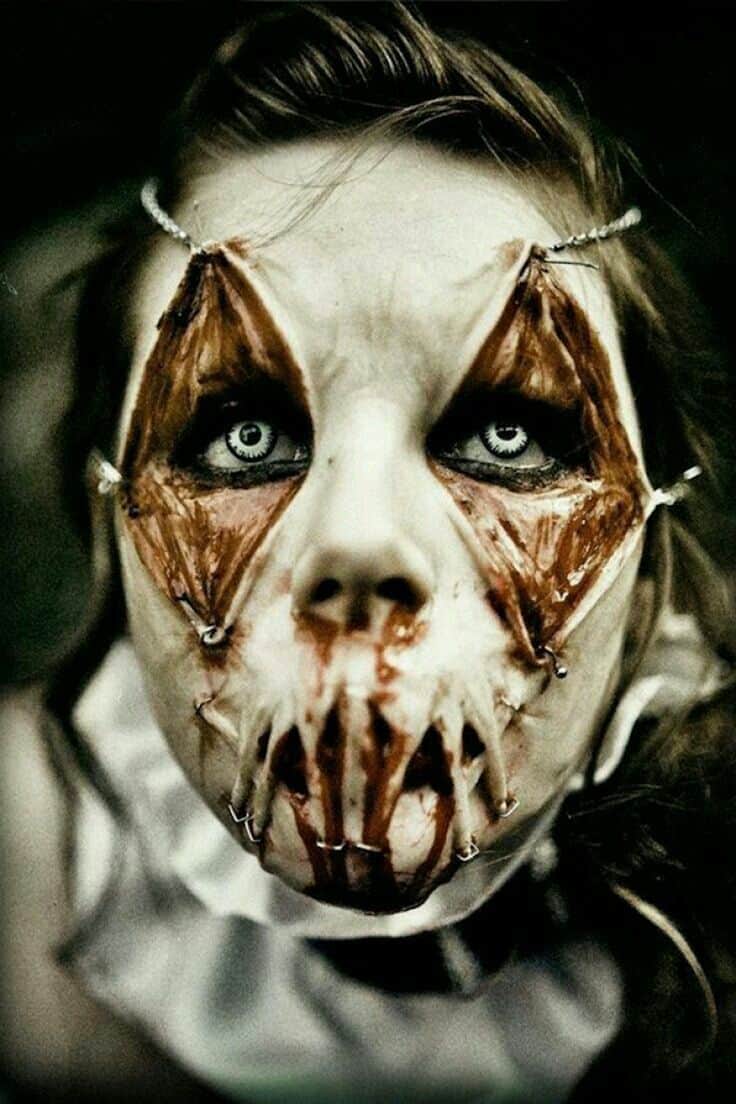
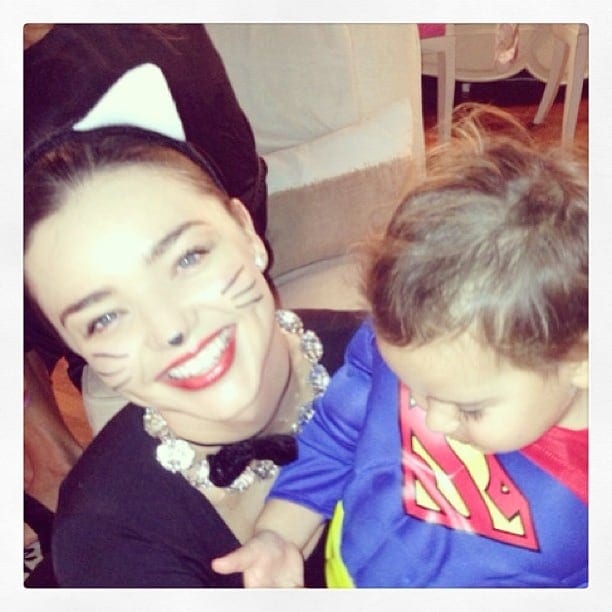
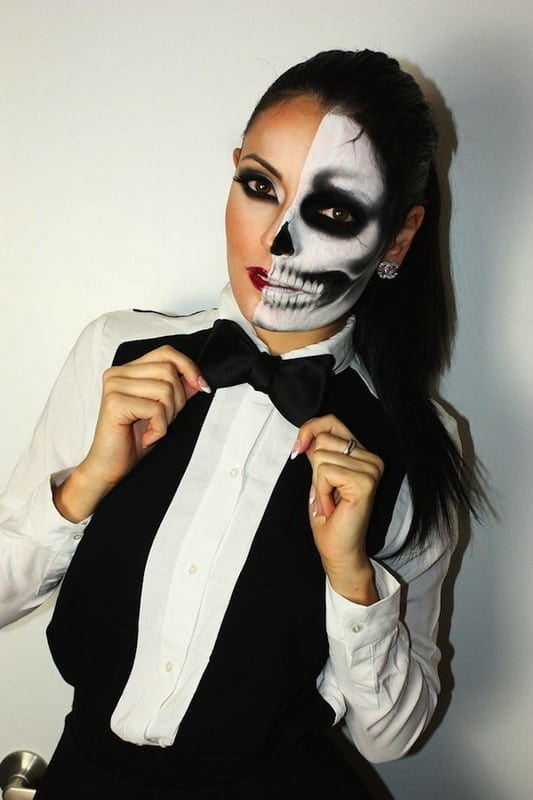
Halloween is an event of making and performance. Costumes range from simple masks and home-made disguises to elaborate outfits built with sewing, foam, wig work, makeup, and silicone prosthetics. Houses and shops are dressed with paper bats, foam gravestones, orange and black color schemes, string lights, cut-paper silhouettes, and synthetic cobwebs. The visual grammar is easy to read because it repeats the same few forms: lantern faces, skeletons, witches, ghosts, spiders, and jack-o’-lanterns.
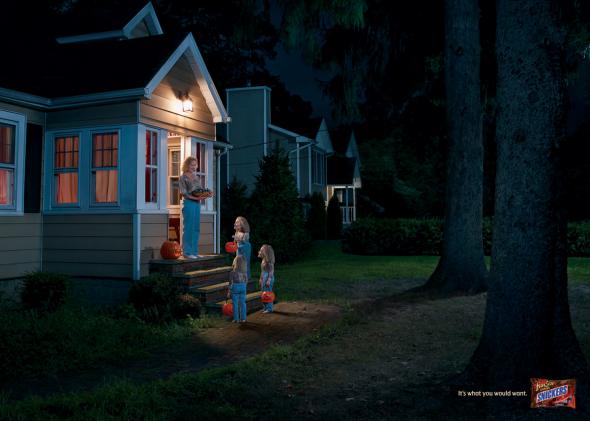
Food and ritual objects matter as much as the decoration. Candy distribution underpins trick-or-treating, while apples, caramel, and baked goods often appear in older seasonal customs and school events. In many places, the holiday is now organized around staged environments: haunted houses, costume parades, storefront windows, themed packaging, and temporary installations that use fog machines, sound effects, and controlled lighting to produce fear as entertainment.
Why did it become such a strong visual culture?
Halloween works well as a design event because its symbols are simple, repeatable, and adaptable to mass production. Orange and black are easy to print and recognize. A skull, a pumpkin face, or a pointed hat reads clearly at a distance and can be scaled from a postcard to a billboard. That clarity made the holiday useful to commercial artists, advertisers, and manufacturers of seasonal goods.
The holiday also rewards improvisation. Cheap materials can produce convincing effects: tissue paper, cardboard, dyed fabric, wax, felt, and painted plaster all appear in Halloween decoration. At the high end, film studios and professional haunt makers use sculpting, moulding, animatronics, and makeup effects to expand the same vocabulary. The result is a holiday that sits between folk craft and industrial design.
How does Halloween differ by place?
Halloween in the United States and Canada is strongly tied to suburban streets, schools, retail calendars, and children’s costuming. In Ireland and Scotland, older customs remain visible in local games, bonfires, and community gatherings, though many of these now coexist with imported commercial forms. In Mexico and parts of Latin America, late-October observance often overlaps with Día de Muertos, which has its own distinct history, imagery, and purpose.
Those differences matter because Halloween is not a single fixed tradition. It is a date that collects local practices, religious history, and commercial spectacle. The holiday’s current shape comes from repeated adaptation: one region’s lanterns become another region’s pumpkins; one era’s folk mask becomes another era’s licensed costume; one night of neighbourhood visiting becomes an entire season of retail display.
Frequently Asked Questions
Is Halloween the same as All Saints’ Day?
No. Halloween is the evening before All Saints’ Day, which is on 1 November in many Christian calendars. The two are historically connected, but they are not the same observance. Halloween has become the more visible cultural event in many places, especially outside church settings.
Why are pumpkins used for jack-o’-lanterns?
Pumpkins became the standard because they are plentiful in North America and easy to carve. Earlier versions used turnips, beets, or other hard roots, which produced smaller and less convenient lanterns. The pumpkin’s size and orange colour made it ideal for a seasonal display object.
Is Halloween a religious holiday or a secular one?
It is both, depending on context. Its historical roots are religious and folk-based, but much of its current public life is secular, commercial, and theatrical. In practice, Halloween now functions as a cultural holiday that different communities frame in different ways.