Hilary Rhoda is an American fashion model known for high-profile editorial work, runway appearances, and a long association with Estée Lauder. Born in 1987 in Chevy Chase, Maryland, she became one of the most visible commercial and print faces of the late 2000s and early 2010s, with repeated appearances in the Sports Illustrated Swimsuit Issue and frequent work in beauty and luxury fashion campaigns.
| Born | April 6, 1987; Chevy Chase, Maryland, United States |
|---|---|
| Nationality | American |
| Known for | Fashion modeling, beauty campaigns, swimwear editorial work |
| Signature client | Estée Lauder |
| Notable media visibility | Sports Illustrated Swimsuit Issue appearances in 2009, 2010, and 2011 |
How did Hilary Rhoda become well known?
Rhoda emerged during a period when fashion modeling still depended on a mix of runway bookings, magazine covers, and beauty contracts. She gained broad recognition through Estée Lauder, a prestige cosmetics brand that uses models as long-term campaign faces rather than one-off advertising talent. That kind of work matters because it places a model in repeated circulation across print, storefront imagery, and beauty advertising, making the face familiar even to people who do not follow fashion closely.
Her profile also rose through the Sports Illustrated Swimsuit Issue, where she appeared three years in a row. For a model, that publication can function as a mainstream visibility engine, bridging fashion, sports media, and mass-market celebrity culture. Rhoda’s career shows how a model can move between glossy editorial, commercial beauty work, and swimsuit imagery without being confined to a single category.
What does a model like Hilary Rhoda do?
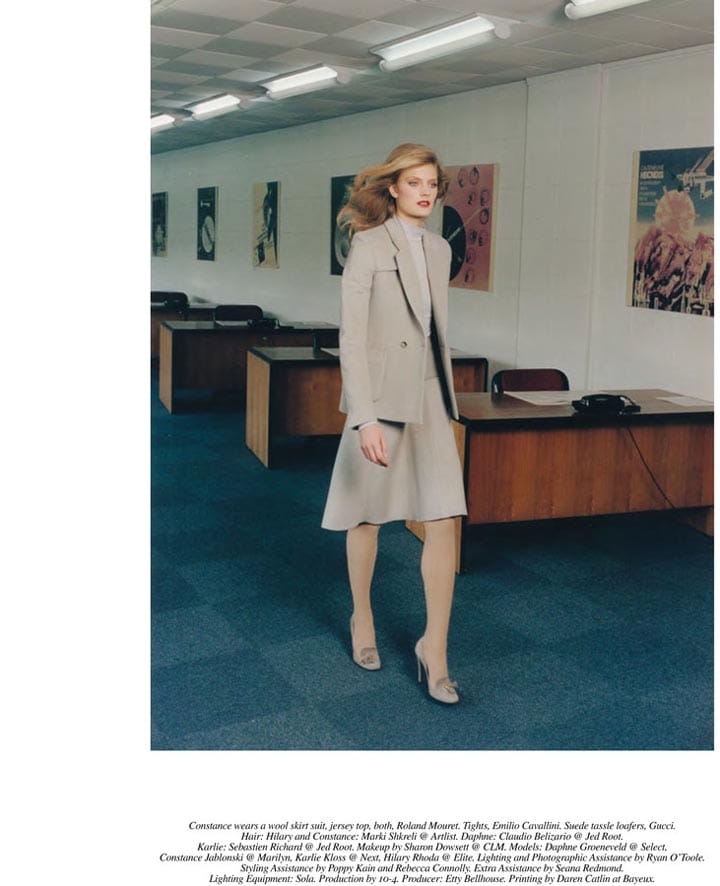
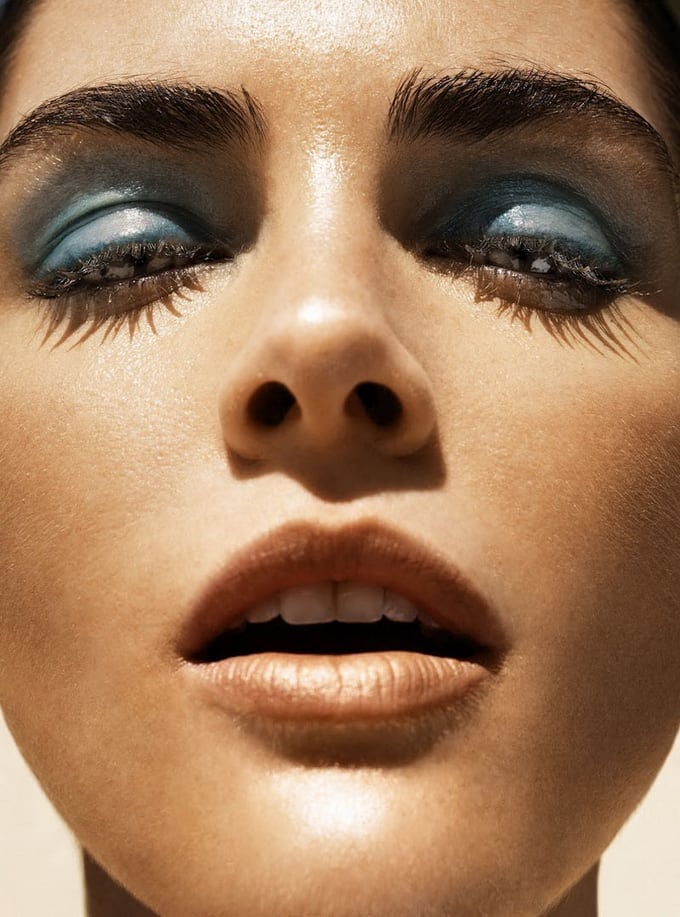
A fashion model’s work is practical and technical. It involves posing for still photography, walking in shows, working under set lighting, and presenting clothing or cosmetics in a way that sells an aesthetic as much as a product. In beauty campaigns, the face, skin, hair, and expression become central; in fashion editorials, the body also functions as a shape on the page, helping a photographer and stylist build a visual argument.
Rhoda’s relevance lies in that versatility. She can appear in a polished cosmetics advertisement, then be styled for an editorial that uses clothing, gesture, and pose to suggest attitude or narrative. In magazines such as Self Service and Madame le Figaro, this kind of modeling is less about glamour alone than about collaboration with photographers, stylists, and art directors to produce a specific image language.
Why does her career matter in fashion media?
Rhoda belongs to a generation of models who helped define the look of early digital-era fashion media: sleek, controlled, commercially valuable, and adaptable across formats. Her repeated use in beauty advertising shows how brands value recognisable faces that can carry consistency across seasons and markets. That continuity matters in a field where images are often temporary; a successful model becomes part of a brand’s visual memory.
She also represents the way editorial and commercial modeling overlapped during this period. Fashion magazines still gave models cultural status, but campaigns and celebrity-friendly publications delivered broader reach. Rhoda’s visibility across both kinds of work made her a familiar figure to art directors, photographers, and readers who encountered her in different contexts rather than through one defining image alone.
Frequently Asked Questions
Is Hilary Rhoda primarily a runway model or a print model?
Rhoda is best understood as a print and commercial fashion model with runway work as part of a broader career. Her most recognisable public presence came from beauty advertising and editorial photography. That balance is common for top models, who often move between catwalk, campaign, and magazine work depending on the project.
What brands is Hilary Rhoda most associated with?
She is most closely associated with Estée Lauder. That relationship is especially important because long-running beauty contracts can define a model’s public identity more strongly than individual magazine shoots. Her editorial work in fashion publications also contributed to her profile, but the Estée Lauder campaigns are the clearest marker of her career.
Why is the Sports Illustrated Swimsuit Issue important here?
The Sports Illustrated Swimsuit Issue gave Rhoda high mainstream visibility beyond fashion insiders. It placed her in a widely circulated image format that blends glamour, athleticism, and pop culture. For many models, that kind of exposure helps turn a professional face into a recognisable public one.
Articles mentioning Hilary Rhoda