H&M is a Swedish multinational fashion retailer that sells clothing, accessories, and home goods through a global network of stores and online channels. Founded in 1947 as Hennes in Västerås, it became Hennes & Mauritz after acquiring the hunting-and-fishing store Mauritz Widforss in 1968. H&M matters because it helped define modern fast fashion: quick trend turnover, large-scale production, and aggressive visual merchandising aimed at a broad mass market.
- Founded: 1947, in Västerås, Sweden
- Original name: Hennes, later Hennes & Mauritz
- Business model: fast fashion at scale
- Core output: affordable clothing, accessories, and related lifestyle products
- Reach: international retail chain with stores in many countries and a major online presence
Where did H&M come from?
H&M began as a women’s clothing store called Hennes, meaning “hers” in Swedish. The company expanded its range and identity after buying Mauritz Widforss, a menswear and outdoor retailer, which gave it the men’s line and the merged name Hennes & Mauritz. From the start, the company was built around volume, quick response to demand, and a broad customer base rather than the slower rhythms of couture or specialty craft retail.
The brand grew by opening stores in busy shopping streets and later in malls, then by standardizing what a H&M store looked like. Its shops typically use bright lighting, dense racks, clean signage, and carefully arranged mannequins to move stock quickly. The store itself is part of the product: a controlled, repeatable environment designed to make trend-led clothes feel easy to buy.
Why did H&M matter in fashion retail?
H&M became one of the clearest examples of fast fashion, a system that translates runway ideas into inexpensive garments and rotates them through stores at high speed. The model depends on large-scale sourcing, short production cycles, and a strong grip on styling, merchandising, and pricing. That approach changed how many shoppers expected fashion to work: newness arrived constantly, and price became part of the allure.
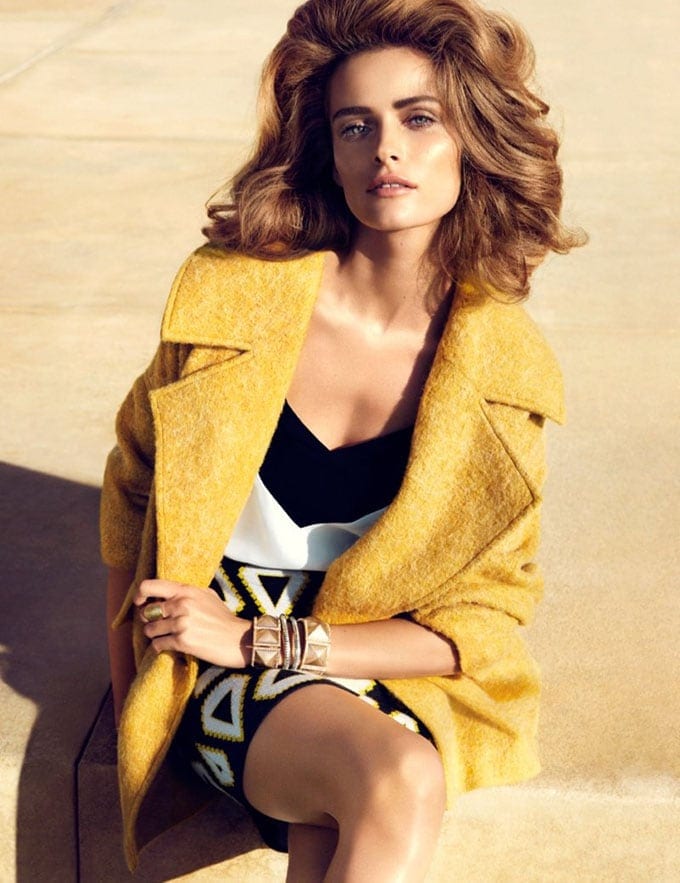
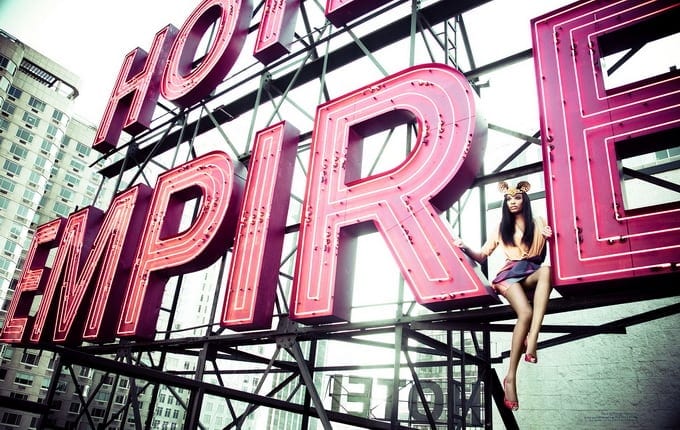
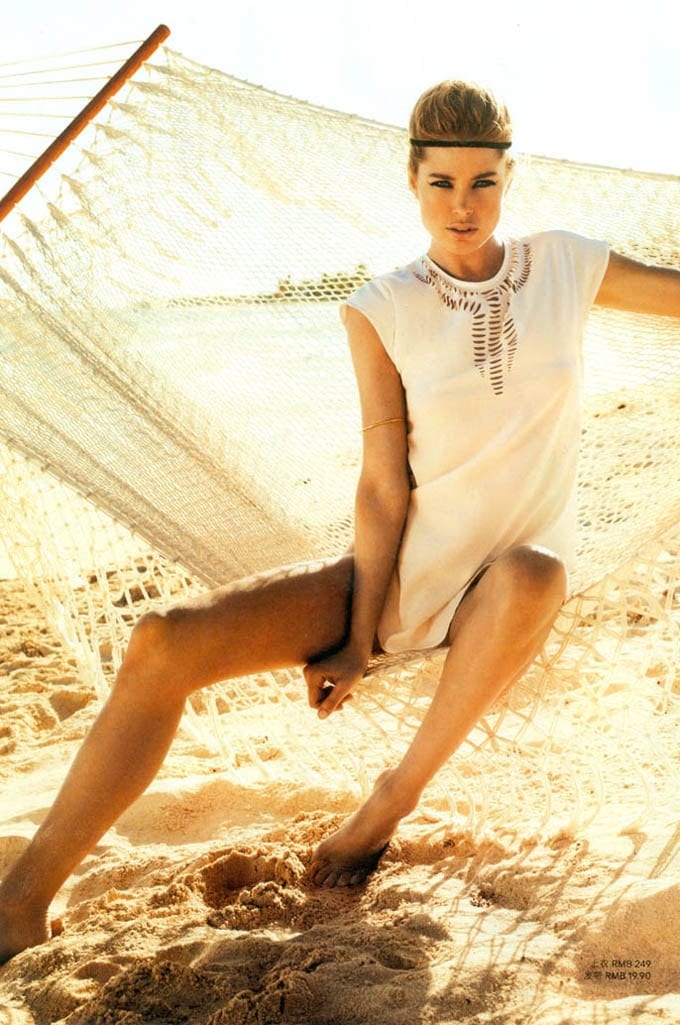
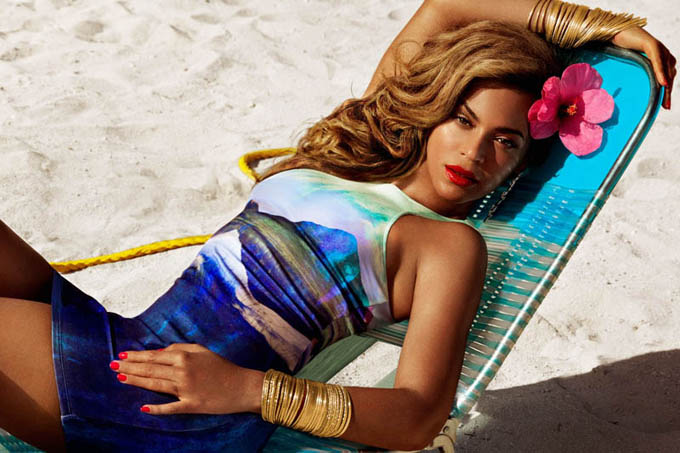
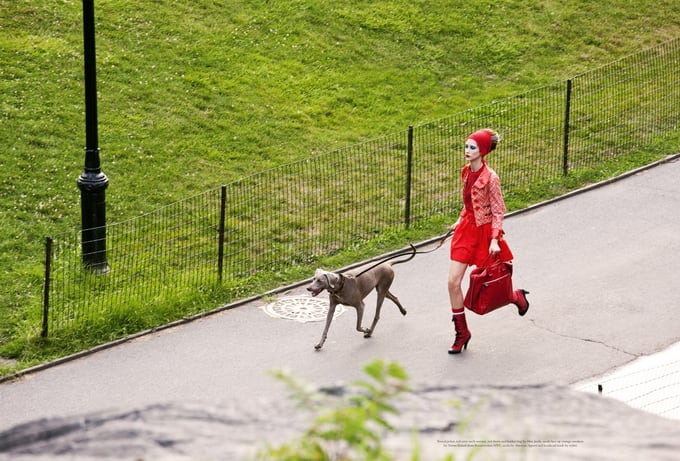
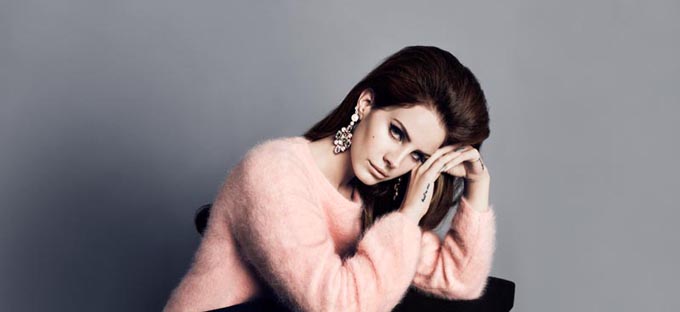
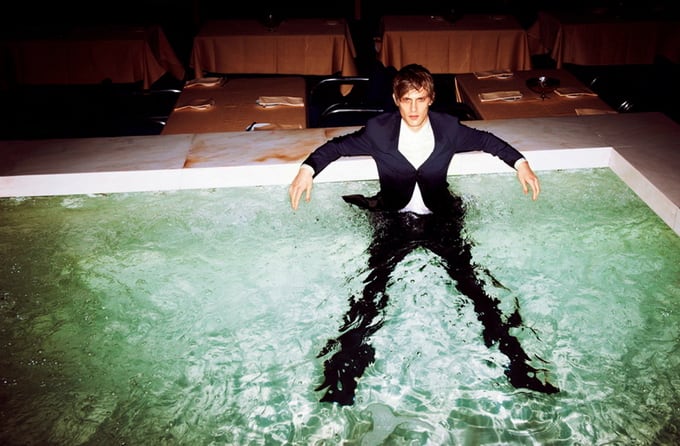
The company also helped normalize the collaboration between mass retail and image-making. Instead of selling clothes only through utility or price, H&M built campaigns with high-profile photographers, models, musicians, and designers. Those campaigns gave inexpensive garments a polished visual frame, making the brand feel closer to editorial fashion culture than to ordinary chain retail.
What does H&M look like in practice?
In practice, H&M is a system of industrial garment production, branding, and retail display. Collections are assembled from large supplier networks, then cut into seasonal drops that fill store floors with basics, workwear, party pieces, sportswear, and trend items. Fabric choice tends to favor cost-efficient materials and finishes that can be produced at scale, such as cotton blends, viscose, polyester, denim, and jersey.
Visually, the brand often leans on a clean Scandinavian surface language: white backgrounds, plain typography, and simple silhouettes, even when the clothing itself is loud or trend-driven. Its campaigns often rely on a strong contrast between image and price, placing supermodels or cultural celebrities next to mass-market garments. That contrast is a central part of the brand’s appeal and its criticism.
How has H&M been seen and criticized?
H&M has been praised for making fashion accessible and for working at a scale that can introduce new styles to large audiences. It has also been criticized for the environmental and labor consequences of fast fashion: overproduction, textile waste, low garment longevity, and dependence on global supply chains under pressure to stay cheap and fast. Those criticisms have made the company a frequent reference point in debates about sustainability and consumption.
Its public response has included recycling programs, limited collections made with recycled fibers, and marketing that emphasizes conscious materials or improved sourcing. Those initiatives matter, but they do not change the basic structure of the business: frequent collection turnover and a retail system built around constant refresh. That tension makes H&M useful for understanding the promises and limits of sustainable fashion inside mass retail.
Frequently Asked Questions
Is H&M the same as COS?
No. COS is a separate brand under the same corporate umbrella, H&M Group. COS uses a more minimal, higher-priced design language and targets a different customer than the main H&M stores. The brands share ownership, but they serve distinct positions in the market.
Why is H&M called fast fashion?
H&M earns that label because it moves trends from image to store floor quickly and sells them at relatively low prices. The company depends on rapid design decisions, large production runs, and frequent new arrivals to keep customers buying. That speed is the core of the fast-fashion model.
What kind of products does H&M make?
H&M sells clothing for women, men, teenagers, and children, along with accessories, shoes, underwear, and some home goods. The ranges change by season and by trend, but they usually include basics alongside more fashionable pieces. The brand also uses limited collaborations and designer capsules to create short-lived spikes of attention.
At a glance
- Founded
- October 4, 1947
- Address
- Västerås, Sweden
Articles mentioning H&M