
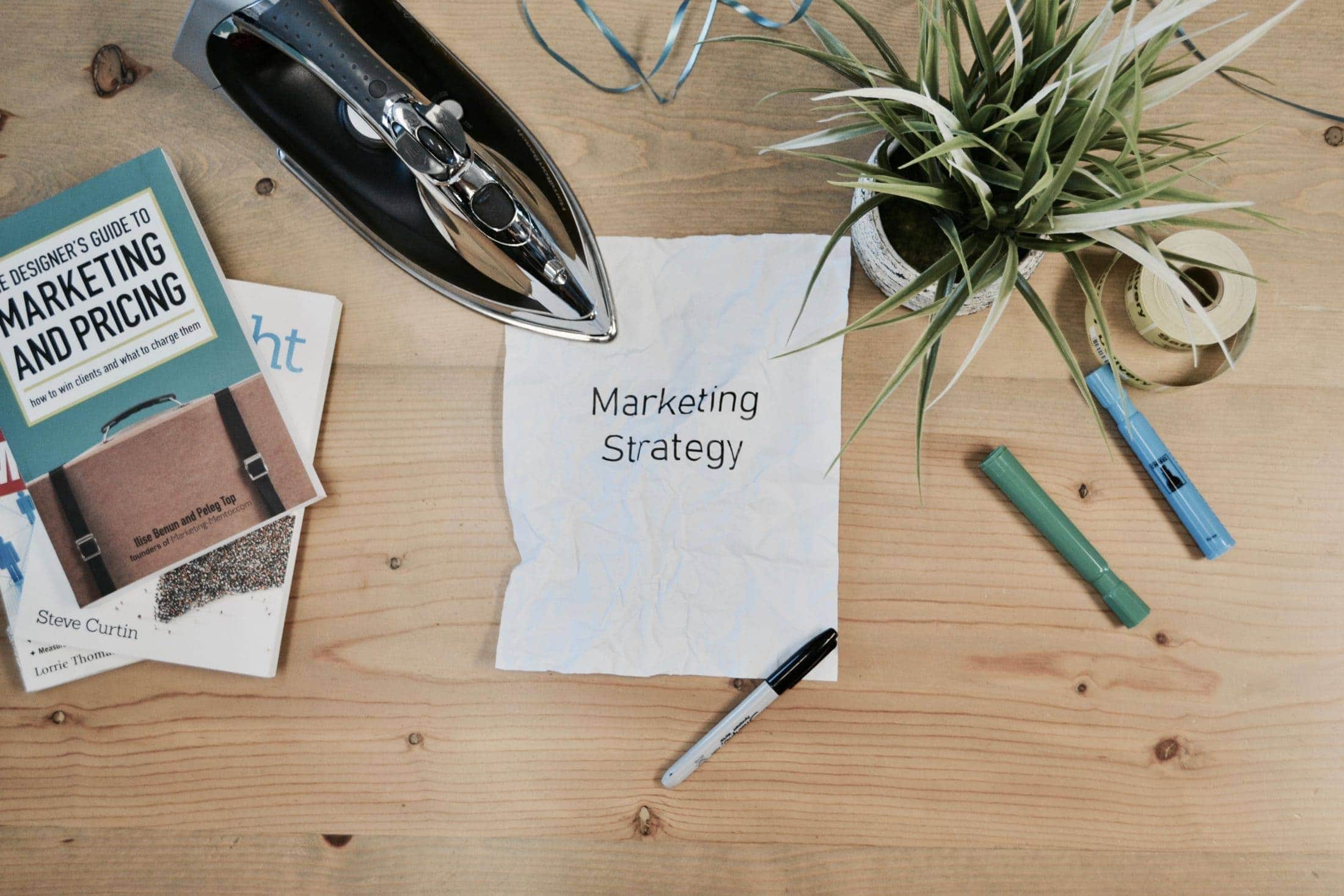
Marketing is the set of activities a business uses to understand demand, shape a product’s appeal, and persuade people to buy, use, or remember it. It covers research, pricing, naming, packaging, advertising, distribution, and customer relationship management. Good marketing does not stop at promotion; it also helps decide what to make, who it is for, and how it should be presented in the market.
- Marketing connects a product or service with the people most likely to want it.
- It combines research, branding, pricing, placement, and promotion.
- Its form changes with media, technology, and buying habits.
- It can be quiet and practical, or loud and campaign-driven.
- Strong marketing often makes an object easier to notice, understand, and choose.
What marketing actually does
At its most basic, marketing reduces the distance between a maker and a customer. A product may be well designed, but if its purpose is unclear, its price feels wrong, or it reaches the wrong audience, it will struggle. Marketing tries to solve that problem by studying needs, framing benefits, and creating a convincing place for the offer in people’s minds. It works with both tangible goods and services, from a camping tent or coffee machine to a restaurant or software platform.
The work often begins before a product exists. Teams study competitors, define a target audience, test names and claims, and decide what features matter enough to highlight. After launch, marketing continues through advertising, retail presentation, social media, packaging, sponsorships, and customer retention. In practice, it is a mix of analysis and performance: spreadsheets on one side, images, words, and campaigns on the other.
How does marketing work in practice?
Marketing usually revolves around the 4 Ps: product, price, place, and promotion. Product concerns what is being offered and how it is designed. Price sets the level of exchange and signals value. Place covers where and how the product is sold, from shops to marketplaces to direct-to-consumer sites. Promotion includes the visible tools most people associate with marketing: ads, launches, packaging, public relations, and content.
In visual culture and design, marketing often shows up through the object itself. A bottle cap with adjustable flow settings, a foldable phone case with reinforced structure, or a compact appliance with integrated storage is not only an engineering decision; it is also a marketing decision about convenience, differentiation, and the kind of user imagined. A strong marketing approach makes those decisions legible. It gives a product a clear reason to exist in a crowded field.
What makes marketing matter?
Marketing matters because it shapes what gets noticed, what gets bought, and often what gets made in the first place. In consumer culture, many objects are similar in function, so differences in presentation become decisive. A campaign can make a new product feel desirable, but marketing also sets expectations, builds trust, and helps a brand stay recognisable over time. For small makers, it can be the difference between obscurity and a viable business. For large companies, it can determine whether a launch is merely available or genuinely visible.
It also matters culturally because marketing teaches people how to read products. It uses photography, typography, motion, copywriting, color, and scale to suggest mood and use. The poster, the product page, the billboard, the unboxing experience, and the short-form video all carry the same basic task: explain value fast. That is why marketing is so closely tied to design. It does not just sell objects; it shapes the social meaning attached to them.
Where did marketing come from?
Marketing grew alongside mass production, branded goods, and modern retail. Once factories could produce more than local markets could absorb, producers needed a way to distinguish their wares and build demand beyond direct personal selling. Newspapers, posters, catalogues, packaging, and later radio and television turned marketing into a specialized field. By the twentieth century, firms were hiring researchers, copywriters, art directors, and media planners to manage it.
The discipline has shifted with each media transition. Print made room for slogans and illustrations. Broadcast media expanded persuasion at scale. Digital platforms added targeting, metrics, A/B testing, and constant feedback. Today marketing includes search, social media, influencer partnerships, email, retail media, and analytics dashboards. The tools have changed, but the core task remains the same: connect a thing that exists, or wants to exist, with the people who might want it.
Frequently Asked Questions
Is marketing the same as advertising?
No. Advertising is one part of marketing, usually the paid and public-facing part. Marketing also includes research, product positioning, pricing, branding, distribution, and customer retention. A campaign can be excellent advertising and still fail if the product, price, or channel strategy is weak.
Why do designers need to care about marketing?
Design and marketing meet at the point where a product becomes intelligible to an audience. Packaging, naming, layout, photography, and interface all affect whether something feels trustworthy, useful, or worth the price. When design ignores marketing, a strong object can remain invisible or confusing.
Can marketing be used for things other than products?
Yes. Museums, artists, restaurants, public campaigns, political movements, and service businesses all use marketing methods to shape attention and build support. The form changes, but the goal stays familiar: present a value proposition clearly enough that people respond to it.
Articles mentioning Marketing


