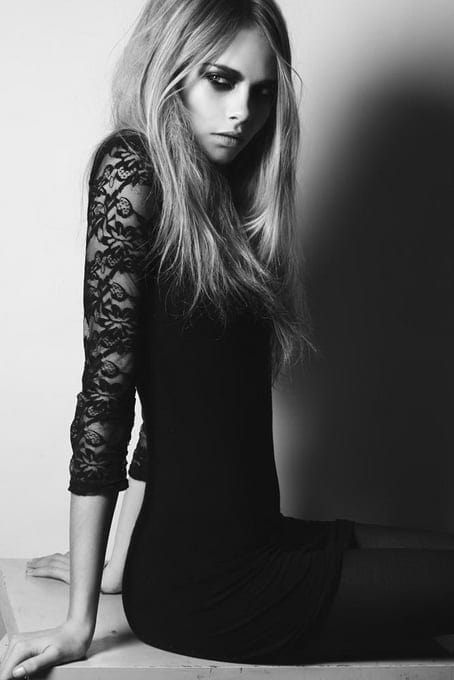
InStyle is an American monthly fashion and lifestyle magazine aimed at women, known for pairing celebrity portraiture with coverage of clothing, beauty, home, entertaining, philanthropy, and celebrity culture. It launched in 1994 and became one of the most visible mainstream magazines for styling public figures in polished, commercially oriented imagery.
- Type: monthly women’s fashion and lifestyle magazine
- Founded: 1994
- Country of origin: United States
- Publisher: Time Inc.
- Editorial focus: fashion, beauty, home, entertaining, charitable work, and celebrity lifestyle
What kind of magazine is InStyle?
InStyle sits between a fashion magazine and a celebrity culture title. It does not only report trends; it packages clothing, grooming, interiors, and social life through the lens of famous faces. That mix made it a steady platform for advertisers and for photographers who needed clean, glossy editorial settings for stars.
Its pages usually combine product-heavy fashion shoots with service journalism: how to wear a look, what makeup to buy, how to host, what people in public life are wearing, and where consumer taste is heading. The magazine’s visual language is polished, accessible, and commercial rather than avant-garde.
Where did it come from?
InStyle was introduced in the United States in 1994, during a period when celebrity-driven magazine publishing was expanding rapidly. The title came out of Time Inc., a major magazine publisher with the scale to build a national fashion brand quickly through editorial distribution and advertising sales.
Its arrival reflected a shift in print culture: fashion no longer belonged only to specialist or luxury titles. A broader audience wanted style coverage that felt aspirational but familiar, and celebrity portraits gave the magazine an immediate hook. That format proved durable because it served both readers and brands.
How is InStyle used in photography and styling?
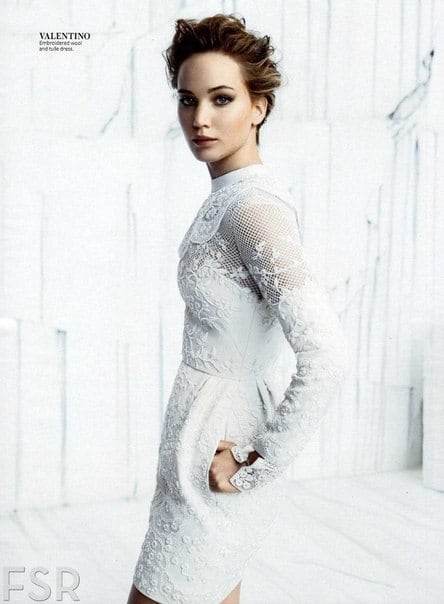
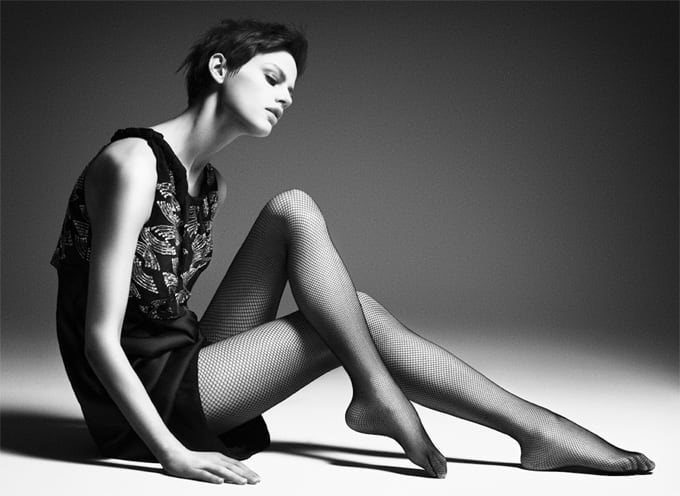
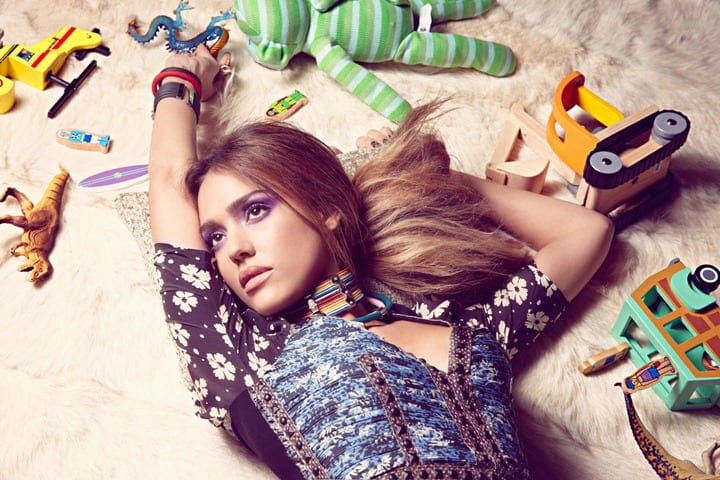
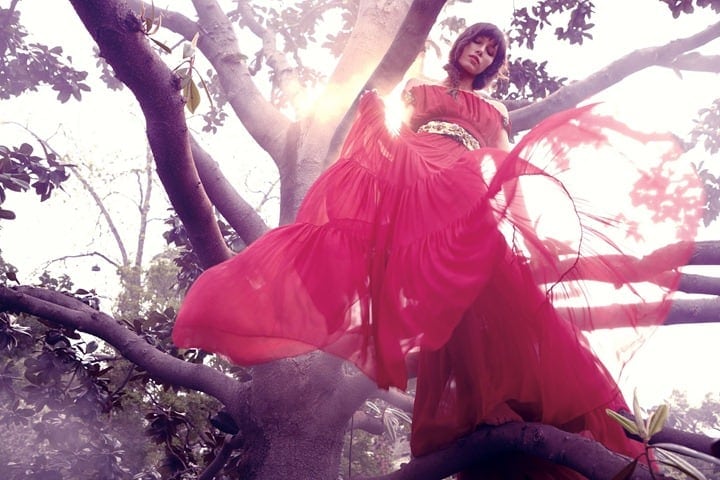
For photographers, InStyle is a recognizable editorial credit because it often demands a specific look: bright, flattering, controlled, and commercially legible. Portraits for the magazine tend to emphasize wardrobe, hair, makeup, and pose as part of a single coordinated image. The result is less about raw documentary character and more about constructed public identity.
Stylists and beauty teams play a central role in that process. Clothes, accessories, hair, and cosmetics are selected to make celebrities appear current without becoming too experimental. In practice, that means the magazine often becomes a place where designers, make-up artists, and photographers shape an image that can circulate across print, publicity, and advertising.
Why does it matter?
InStyle matters because it helped define how mainstream fashion journalism could look in the late 1990s and 2000s. It turned celebrity style into a recurring editorial format and made the visual presentation of fame feel ordinary, readable, and purchasable. That model influenced how many magazines, websites, and brand campaigns later combined portraiture with product-led storytelling.
Its relevance in visual culture is practical as well as historical. A cover or editorial for InStyle signals a particular kind of polished celebrity image: accessible, aspirational, and tied to consumption. For photographers and stylists, it offers a familiar brief. For readers, it offers a stable version of fashion culture where clothes, makeup, interiors, and celebrity persona all belong to the same image economy.
Frequently Asked Questions
Is InStyle a fashion magazine or a celebrity magazine?
It is both. The magazine uses celebrity culture as its frame, but the content is built around fashion, beauty, and lifestyle coverage. That combination is what gave it a clear identity and a wide audience.
What makes an InStyle photo shoot distinctive?
An InStyle shoot usually aims for polish and clarity rather than edge. Wardrobe, grooming, and lighting are arranged to make the subject look aspirational and current. The image often feels constructed for mass appeal, with a strong consumer finish.
Why do photographers care about an InStyle credit?
The magazine carries recognition in commercial editorial work. A credit there suggests experience with celebrity portraiture, styling coordination, and a polished magazine environment. It can also place a photographer inside a network where fashion, publicity, and advertising overlap.
At a glance
- Founded
- 1994
- Address
- New York City, United States
Articles mentioning InStyle