
Irving Penn was an American photographer whose fashion images, portraits, and still lifes set a high standard for clarity, control, and formal precision. Working for Vogue and for independent clients such as Issey Miyake and Clinique, he turned commercial photography into a disciplined studio art built from careful lighting, restrained composition, and close attention to surface.
Irving Penn on FreeYork


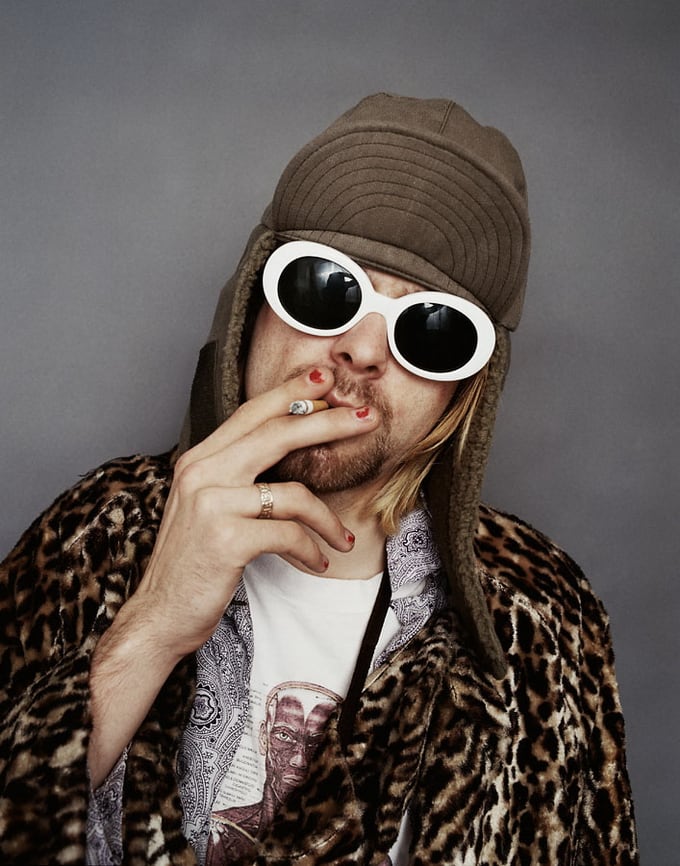
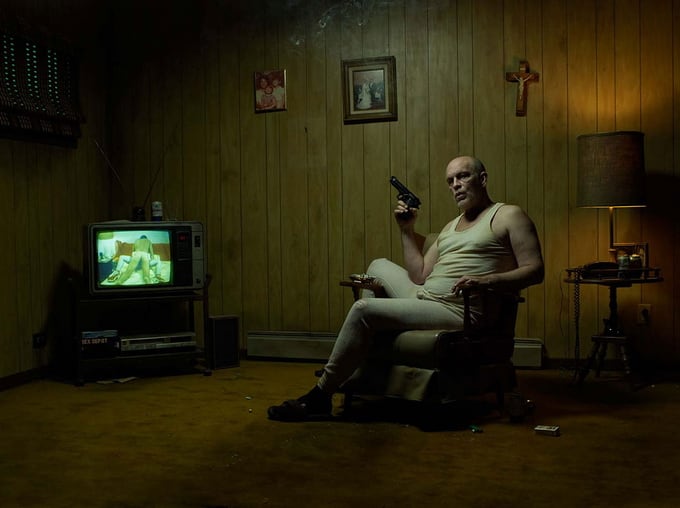
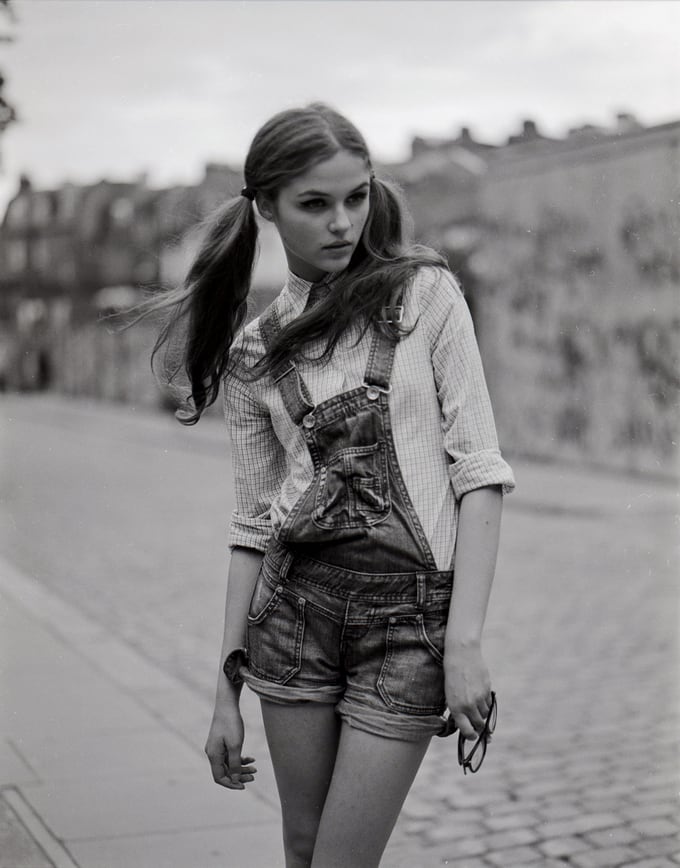
About Irving Penn
- Known for fashion photography, portraiture, and still life
- Worked for Vogue for much of his career
- Favoured simple sets, neutral backdrops, and direct poses
- Made commercial images that also read as fine art
- Influenced later editorial, portrait, and advertising photography
What made Irving Penn different?
Penn’s pictures are often spare rather than expansive. He stripped away visual noise so that fabric, skin, posture, and object shape carried the image. A portrait might use a corner formed by two plain walls; a fashion frame might depend on the exact fall of cloth and the angle of a hand. That economy gave his work a tight, graphic force that still feels modern.
He also worked with extraordinary control over the studio environment. Instead of treating photography as a casual record of a moment, he treated it as construction: set, light, pose, and print all mattered. That approach made his pictures look polished without feeling soft or decorative. The mood is often cool, but the scrutiny is intense.
How did he shape fashion photography?
Penn helped define a fashion style that was elegant without being theatrical. In Vogue, he photographed clothes as part of a larger visual structure, not simply as products on a body. He often used plain backgrounds, strong silhouettes, and crisp tonal separation so that design details remained legible. The result was editorial photography with an architect’s sense of order.
His commercial work for designers and beauty brands carried the same discipline. In campaigns for Issey Miyake, for example, the interest lies not only in the garment but in the way the garment occupies space. Penn understood cloth as material: woven structure, drape, fold, sheen, and seam all mattered. That material attention helped fashion photography move beyond surface glamour into a more analytical visual language.
Why are his portraits so influential?
Penn’s portraits often place the sitter in a compressed, almost confrontational space. He was known for asking people to stand close to a corner, which limited gesture and focused attention on expression, clothing, and posture. That setup can feel severe, but it also removes distraction and leaves a strong psychological charge. The sitter appears carefully observed rather than simply captured.
His portrait practice covered artists, writers, performers, and ordinary workers, and he gave the same seriousness to each. That democratic method mattered. It suggested that portraiture did not need props, dramatic settings, or sentimental cues to carry meaning. A plain studio, a controlled light source, and a decisive crop could be enough.
What did Penn make beyond portraits?
Penn’s still lifes are a major part of his legacy. He photographed food, cigarette butts, flowers, bones, gloves, and other objects with the same compositional care he gave to people. These images often rely on texture and scale: soft petals against flat ground, dry shells against polished surfaces, a single object isolated so its shape becomes nearly sculptural. In this work, photography becomes a tool for seeing material presence very closely.
He also experimented with printing and presentation, which helped give his photographs their distinctive look. Tonal subtlety, sharp edges, and precise blacks and whites became part of the image’s meaning. Across fashion, portraiture, and still life, Penn’s work shows how controlled studio photography can feel both commercial and deeply authored.
Questions
Was Irving Penn mainly a fashion photographer?
Fashion photography is the field most closely associated with his name, largely because of his long work for Vogue. But he was not limited to it. Portraits and still lifes were equally central to his practice, and many of his best-known photographs come from those areas.
What visual style is Penn known for?
He is known for spare compositions, neutral backgrounds, and precise studio lighting. His images often look calm on the surface but very controlled in structure. That combination gave his work a clean, modern look that has been widely copied but rarely matched.
Why does Penn still matter to photographers?
Penn showed that commercial photography could be rigorous, authored, and formally ambitious. His pictures continue to influence editorial photographers, portraitists, and advertising studios because they prove that simplicity can carry a strong visual idea. His work also remains a model for how to make material qualities—fabric, skin, object, print—central to an image.