Isabeli Fontana is a Brazilian fashion model known for runway work, lingerie campaigns, and magazine editorial shoots. She became one of the recognisable faces of international modelling in the 2000s, appearing in advertisements and covers for brands and publications that favour a polished, high-gloss image.
- Born in 1983 in Brazil, she entered modelling while still very young.
- Her work has centred on fashion editorials, beauty imagery, and lingerie advertising.
- She has been used in campaigns for labels that want a sleek, sensual, commercially legible look.
- Her name often appears alongside other so-called supermodels in group campaigns and magazine features.
How did Isabeli Fontana become known?
Fontana first came to attention as a teenager and moved quickly into the international fashion circuit. Like many models from Brazil who rose in that period, she benefited from the industry’s appetite for tall, athletic, highly adaptable faces that could move between European runway culture and glossy commercial work. Her early visibility helped establish her as a recurring presence in fashion media rather than a one-season discovery.
Her career grew through repetition: runways, lingerie shoots, beauty campaigns, and editorial spreads. That mix matters. It gave her a public identity that was less about a single signature image than about a consistent professional style that brands could reuse across seasons and markets.
What kind of modelling is she associated with?
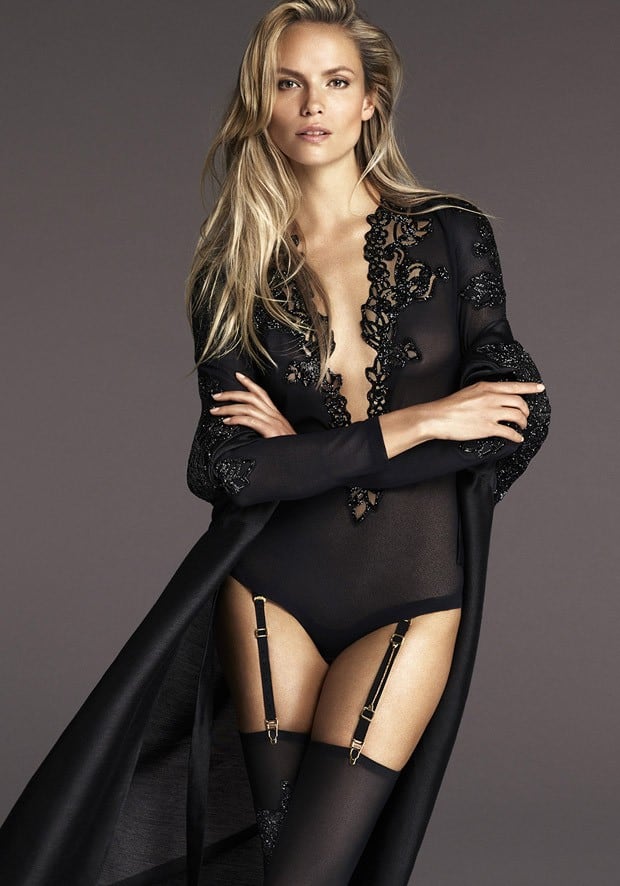
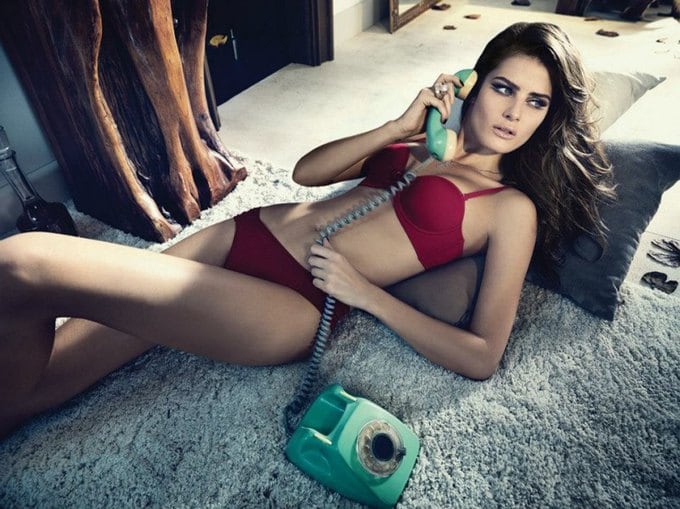
Fontana is closely associated with lingerie and swimwear imagery, where pose, posture, and body language carry as much weight as clothing. In this field, the model’s job is not only to display a garment but to create a mood around it: confidence, ease, sensuality, and control. Fontana’s photographs often rely on clean studio lighting, direct eye contact, and poses that make the body read clearly without appearing stiff.
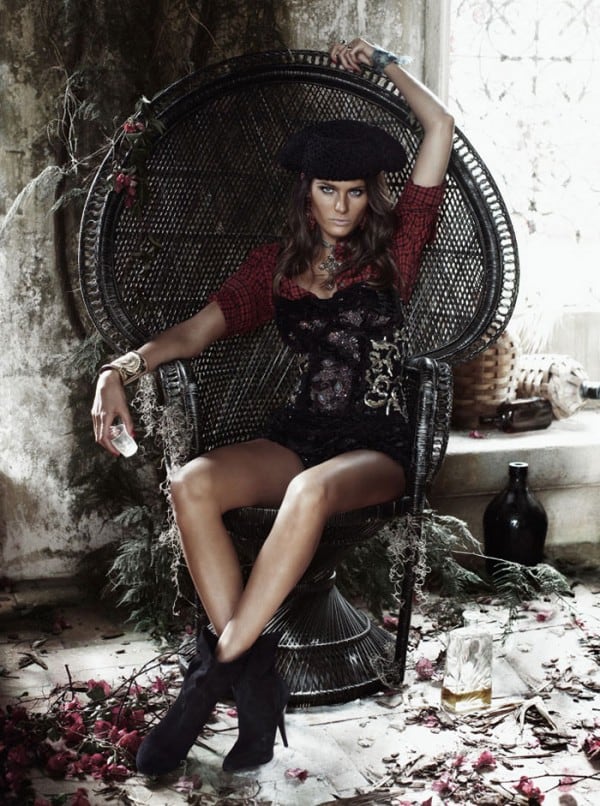
She also appears in fashion editorial work, where stylists and photographers can use her for sharper, more experimental looks. In editorial settings, her face and body function as flexible tools. One shoot may ask for minimal makeup and natural light; another may use dramatic styling, dark polish, or overtly staged glamour. That range is part of why models like Fontana remain useful to magazines and brands over long periods.
Why does Isabeli Fontana matter in fashion media?
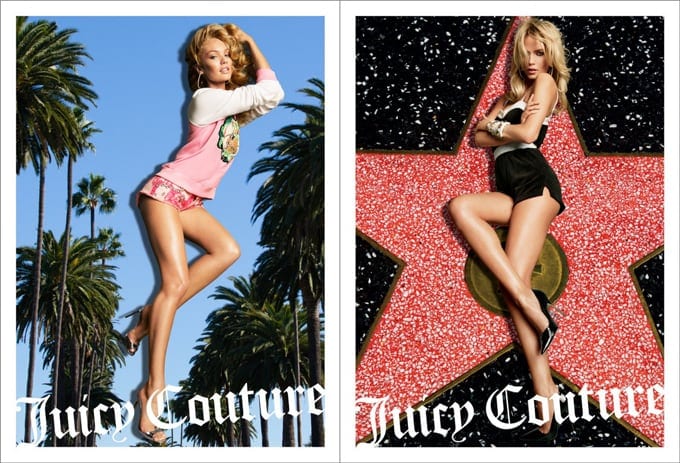
Fontana matters because she represents a specific kind of model celebrity: not an actor or pop star crossing into fashion, but a professional model whose face becomes part of the visual language of the industry. In campaigns for labels such as La Perla or Juicy Couture, her presence signals a familiar fashion hierarchy of glamour, fit, and aspiration. These images depend on the model’s recognisability as much as on the garment itself.
She also belongs to the wave of Brazilian models who became central to international fashion in the late 1990s and 2000s. That period shaped how magazines and advertisers thought about beauty: bronzed skin, defined features, and a physically confident presence that could sell luxury and desire without heavy narrative. Fontana’s career sits inside that shift and helps show how a model can become a recurring visual shorthand for a whole era.
What does her work look like in practice?
In practice, Fontana’s modelling is built from surface control. Photographers use framing, lighting, and styling to emphasise bone structure, posture, and texture: satin, lace, sheer fabric, polished skin, wet hair, metallic makeup. The result is often a clean, legible image that can survive in magazines, billboards, and online campaign assets with minimal change.
Her appearances alongside other supermodels also matter. Group campaigns rely on contrast and hierarchy, and Fontana’s look is typically deployed as part of a larger composition of similar high-fashion bodies. The art direction may shift from romantic to athletic or from editorial to commercial, but the underlying purpose stays the same: to make the clothing and the brand appear desirable, modern, and expensive.
Frequently Asked Questions
Is Isabeli Fontana a runway model or a commercial model?
She has worked as both. Her career includes runway appearances, but she is especially visible in commercial fashion imagery such as lingerie, swimwear, and branded campaigns. That crossover is common for top models, who often move between editorial prestige and advertising work.
Why is she often shown in lingerie campaigns?
Lingerie advertising depends on models who can project ease, confidence, and control while keeping the image polished. Fontana fits that brief, which is why she has appeared in campaigns for brands that want a luxurious and overtly sensual tone. Her look works well in photographs that need to feel both glamorous and commercially clear.
What makes her different from a fashion celebrity or influencer?
Fontana’s public identity comes from professional modelling rather than self-produced content or entertainment crossover. Her career is built on working with photographers, stylists, and brands inside the fashion system. That gives her images a more tightly controlled, editorial quality than the looser presentation associated with influencer culture.
Articles mentioning Isabeli Fontana