
Jaguar Cars is a British luxury car manufacturer known for sleek saloons, grand tourers, and sports cars that combine formal styling with performance. Founded in 1922 as the Swallow Sidecar Company by Sir William Lyons, it began with motorcycle sidecars before moving into coachbuilt bodies and then complete automobiles. Today Jaguar operates under Jaguar Land Rover Ltd, part of Tata Motors, and its brand identity still centres on elegance, speed, and a carefully staged sense of British modernity.
Stories from Jaguar Cars
16 stories


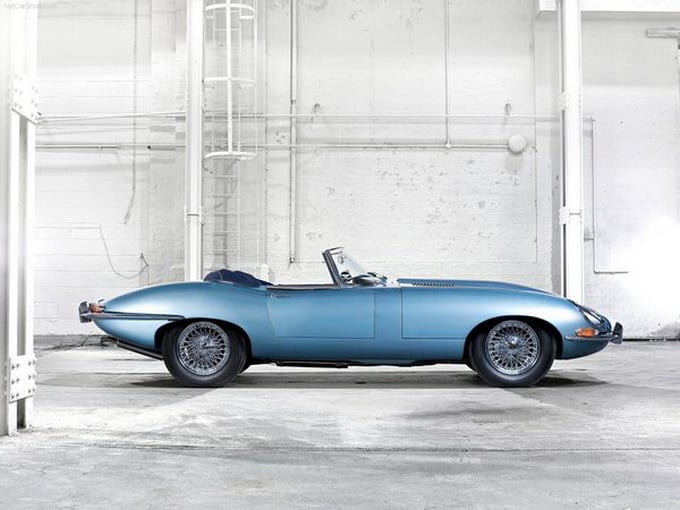


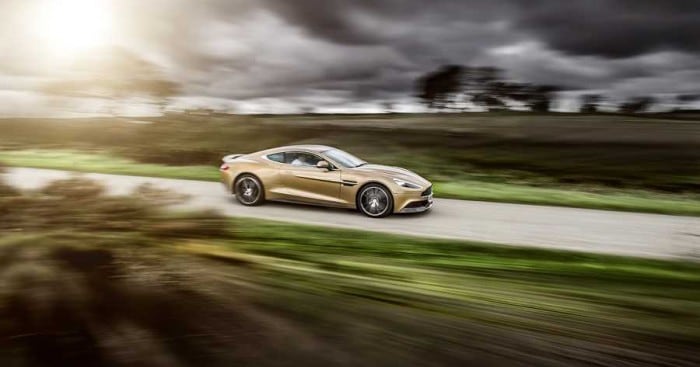
About Jaguar Cars
- Founded: 1922, as the Swallow Sidecar Company
- Founder: Sir William Lyons
- Headquarters: Whitley, Coventry, England
- Current corporate name: Jaguar Land Rover Ltd
- Ownership: Jaguar Land Rover Automotive PLC, a subsidiary of Tata Motors
- Known for: luxury saloons, sports cars, and concept vehicles
Read the full overviewHow Jaguar began, What makes a Jaguar look like a Jaguar?, Why does Jaguar matter in car design?, What does Jaguar mean in practice today?
How Jaguar began
Jaguar started far from the showroom floor. The Swallow Sidecar Company made motorcycle sidecars in the early 1920s, then expanded into car bodies and eventually complete cars. That path shaped the company’s design culture: it learned to think about proportion, surface, and finish before it became a mass producer of vehicles. Sir William Lyons, its founder, treated cars as shaped objects rather than purely mechanical products, and that attitude remained central as the company grew.
The Jaguar name came later, and the brand’s identity shifted with it. After the Second World War, Jaguar became associated with streamlined saloons and sports cars that looked expensive even when they were technically conservative. Models such as the XK and E-Type gave the company a reputation for long bonnets, low rooflines, and a poised stance that made speed visible in the bodywork itself.
What makes a Jaguar look like a Jaguar?
Jaguar’s design language has usually relied on restraint rather than excess. The cars often use smooth panel surfacing, slim glazing, and a deliberately elegant front end, with details that read as tailored rather than aggressive. In practice, that means polished paintwork, leather interiors, chrome accents, and cabin layouts that try to balance comfort with theatricality. Even when the brand has moved toward sharper modern styling, it has kept the idea that a Jaguar should look composed rather than loud.
This visual approach matters in car culture because Jaguar sits between two traditions: the hand-finished British luxury car and the performance car built to be driven hard. That combination has made the marque a frequent reference point for photographers, illustrators, and designers who want a vehicle that signals heritage without looking antique. In imagery, Jaguars often appear in deep colour, under dramatic light, with reflections used to show off their bodywork and materials.
Why does Jaguar matter in car design?
Jaguar matters because it helped define the modern idea of the luxury performance car. Its best-known models made refinement part of the appeal of speed, rather than treating speed as something separate from comfort or beauty. That has had a lasting influence on how premium cars are designed: low visual weight, carefully resolved surfaces, and interiors that stage materials as part of the brand story.
The company also matters as an example of how a legacy carmaker adapts to new ownership and new technology without losing its symbolic value. Under Tata Motors, Jaguar has had to balance electrification, global production, and changing market expectations with a design history that remains highly visible. Concept cars and recent models often carry that tension: they must look future-facing while still echoing the proportions and finish that made the name famous.
What does Jaguar mean in practice today?
Today Jaguar is less a single style than a set of expectations. A Jaguar car is usually expected to feel luxurious inside, with careful material selection and a cabin that suggests quiet confidence. Exteriors tend to favour sculpted metal, controlled detailing, and a sense of motion even when stationary. That makes the brand especially useful for visual culture: it gives artists and designers a shorthand for British luxury, elite mobility, and polished form.
Its presence in articles about interiors, illustration, concept art, and automotive photography reflects that symbolic weight. A Jaguar can function as a subject, a prop, or a design reference. In each case, the name carries more than transport. It points to a particular idea of modern luxury built from engineering, upholstery, paint, glass, and surface.
Frequently Asked Questions
Is Jaguar the same company as Jaguar Land Rover?
Not exactly. Jaguar is the brand and Jaguar Land Rover is the company that now manages both Jaguar and Land Rover. Since 2012, the corporate structure has formally used Jaguar Land Rover Ltd, while the brand itself continues as Jaguar.
What kinds of cars is Jaguar best known for?
Jaguar is best known for luxury saloons, grand tourers, and sports cars. The company built its reputation on models that combined performance with refined styling and high-quality interiors. That mix remains central to how the brand is understood.
Why is Jaguar so often used in design and art articles?
Jaguar has a strong visual identity, so it works well as a design object in images and cultural commentary. Its forms are sleek, recognisable, and tied to ideas of luxury, motion, and British style. That makes it useful to photographers, illustrators, and artists who want a car that carries meaning beyond function.