
Kyiv is the capital and largest city of Ukraine, set on the Dnieper River in the north-central part of the country. It is the seat of government, a major transport hub, and one of Eastern Europe’s most important centres for education, industry, and visual culture. The older English form Kiev appears in older texts and archives, but Kyiv is the contemporary preferred spelling.
Stories from Kiev
31 stories





About Kiev
- Capital city of Ukraine and its largest urban area
- Located on both banks of the Dnieper River
- Known for Orthodox religious architecture, Soviet-era infrastructure, and contemporary design scenes
- Major centre for higher education, publishing, media, and technology
- Appears in FreeYork articles as a source of makers, studios, materials, and visual references
Read the full overviewWhere is Kyiv, and why does it matter?, What does Kyiv look like in practice?, How did Kyiv become such an important cultural centre?, Why do FreeYork articles keep mentioning Kyiv?
Where is Kyiv, and why does it matter?
Kyiv sits on the Dnieper, one of Eastern Europe’s great rivers, which helped shape the city’s commercial and strategic importance. Its position made it a political and cultural centre long before modern Ukraine existed as an independent state. That long continuity explains why the city carries so much historical weight: it is not only the administrative capital, but also a place where older regional traditions and newer urban industries overlap.
The city matters in design and visual culture because it concentrates institutions, fabrication networks, and creative talent. Universities, museums, publishing houses, galleries, workshops, and technology firms all operate there, often in close proximity. For FreeYork readers, Kyiv comes into view as a working city: a place where objects are made, images are produced, and identities are negotiated through materials, form, and craft.
What does Kyiv look like in practice?
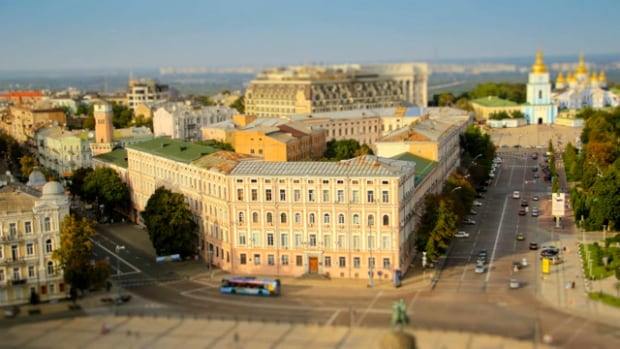
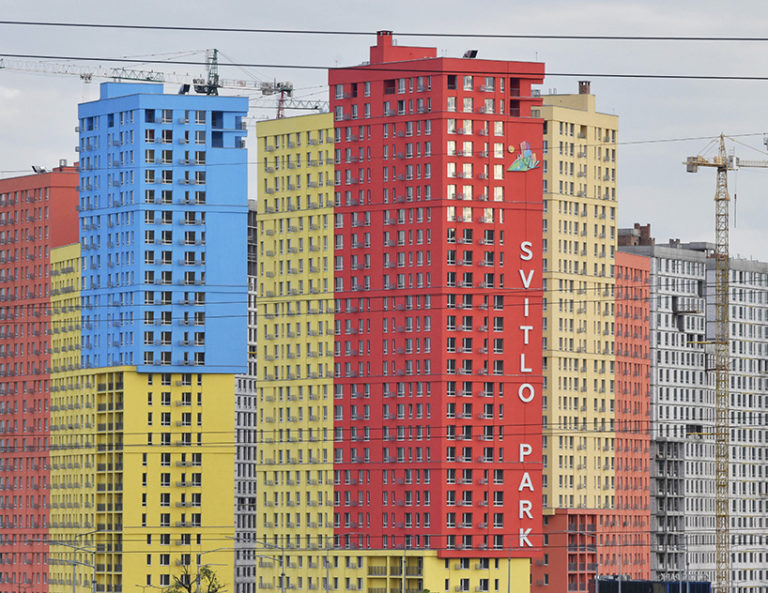
Kyiv’s built environment combines layers from different periods. Medieval religious landmarks, grand imperial boulevards, Soviet apartment blocks, late-20th-century infrastructure, and recent contemporary interiors all sit in the same city. That mix gives Kyiv a visual complexity that designers and photographers often draw on: gilt domes beside concrete, ornate churches beside utilitarian industrial structures, and polished new retail spaces beside inherited streetscapes.
In practice, this means the city can support very different kinds of making at once. An exhibition space in Kyiv might use textured plaster, metal finishes, or repurposed industrial fittings; a fashion studio might work with experimental silhouettes and digital tools; a workshop might preserve hand techniques while adapting them to contemporary production. The city’s visual identity is less a single style than a dense set of contrasts.
How did Kyiv become such an important cultural centre?
Kyiv’s importance grew through its role as an early political and religious centre in East Slavic history, then through centuries of imperial, Soviet, and post-Soviet development. Each period left behind institutions and forms of training. The city became home to academies, research centres, theatres, and publishing networks that still shape Ukrainian culture today.
That history matters because it gives Kyiv both depth and adaptability. The city has seen official monumental styles, mass housing, grassroots craft traditions, and contemporary experimentation all coexist. In arts and design coverage, Kyiv often appears as a place where inherited visual codes are reused, challenged, or translated into new media, from illustration and installation to architecture and fashion.
Why do FreeYork articles keep mentioning Kyiv?
Kyiv shows up in FreeYork coverage because it is a live source of design activity, not just a backdrop. Studios, showrooms, artists, and craftspeople based there work across materials and scales, from tape-measure sculpture to digitally informed apparel and spatial design. The city’s name often signals a specific mix of resourcefulness, technical skill, and strong visual identity.
Its presence also matters politically. Since Russia’s full-scale invasion of Ukraine, Kyiv has been represented more explicitly as a place of resilience, adaptation, and cultural continuity. In that context, making in Kyiv can carry practical and symbolic weight: exhibitions, product design, fundraising objects, and murals can all become ways of maintaining visibility and asserting continuity under pressure.
Frequently Asked Questions
Is Kiev the same place as Kyiv?
Yes. Kiev and Kyiv refer to the same city, Ukraine’s capital. Kiev is the older English spelling, while Kyiv reflects the Ukrainian spelling and is now the preferred form in most contemporary usage.
What kinds of visual culture are associated with Kyiv?
Kyiv is associated with architecture, religious art, illustration, fashion, graphic design, and contemporary installation. Its visual culture often combines historical ornament with pragmatic modernism, which gives work from the city a distinctive tension between craft and industry. That range is one reason it appears frequently in international design coverage.
Why is Kyiv important to Ukrainian identity?
Kyiv has long been one of the main political and cultural centres of the region, so it carries deep historical meaning in Ukrainian national life. As the capital, it concentrates government, media, education, and cultural institutions. Its symbolism is also amplified by recent events, which have made the city a visible site of endurance and public expression.