
Lisbon is the capital and largest city of Portugal, set on the north bank of the Tagus estuary where the river meets the Atlantic. It combines a dense historic core with a metropolitan region of more than 3 million people, and it matters as a site of layered architecture, craft, art, and urban change. Its built identity is shaped by steep hills, tiled façades, limestone, tram lines, and a long working relationship with light.
Stories from Lisbon
31 stories


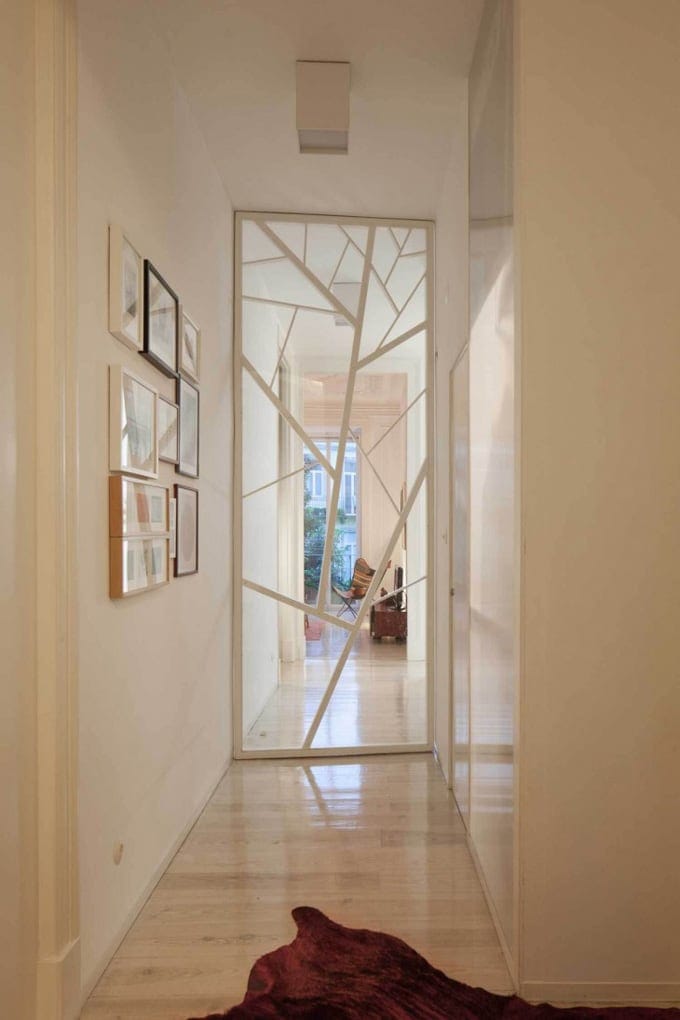


About Lisbon
- Capital of Portugal and its largest city
- Built on hills overlooking the Tagus River and estuary
- Known for tiled surfaces, masonry streets, and strong coastal light
- Important centre for contemporary architecture, design, and public art
- Historic fabric sits beside rapid redevelopment and tourism pressure
Read the full overviewWhy Lisbon matters, What does Lisbon look like?, How has Lisbon influenced architecture and design?, What makes Lisbon different from other European capitals?
Why Lisbon matters
Lisbon matters because it is both a national capital and a working image of Portuguese urban culture. The city carries Roman, Moorish, medieval, and early modern layers, but its current identity is just as much about adaptation: earthquake rebuilding, waterfront expansion, and the constant repair of older buildings and streets. For designers and architects, Lisbon offers a case study in how a city keeps its character while absorbing new uses, new residents, and new forms of investment.
Its landscape shapes its visual culture. The steep topography creates long views, stairways, miradouros, and compressed street fronts. Buildings often present narrow façades to the street and open more fully to courtyards, terraces, or river views. That contrast helps explain why Lisbon appears so often in discussions of domestic renovation, façade retention, and small-site interventions.
What does Lisbon look like?
Lisbon’s most recognisable surfaces are practical ones. Azulejos, the painted ceramic tiles used on walls and façades, are both decoration and weather protection. Stone pavements, especially the black-and-white calçada portuguesa, form patterned ground planes that make the city feel highly designed even in ordinary streets. White plaster, pastel paint, wrought iron, and timber shutters appear throughout older districts, while new work often picks up those materials in stripped-back or abstracted form.
The city’s skyline mixes old and new. Historic neighbourhoods such as Alfama and Bairro Alto keep compact street grids and irregular rooflines, while modern districts and riverfront projects introduce larger spans of glass, concrete, steel, and engineered timber. The result is not a single style but a visible conversation between preservation and reinvention.
How has Lisbon influenced architecture and design?
Lisbon’s influence on architecture comes from both scarcity and resilience. The 1755 earthquake, fire, and tsunami led to a major reconstruction of the city centre under the Pombaline plan, which introduced more regular street layouts and an early form of earthquake-resistant construction. That history still matters because it established Lisbon as a place where urban form is repeatedly rebuilt rather than simply conserved.
In contemporary work, architects often respond to that condition by inserting additions into old structures instead of replacing them outright. Concrete extensions, steel-framed insertions, and carefully detailed refurbishments are common strategies. This makes Lisbon especially relevant to conversations about adaptive reuse, compact living, and the visual tension between historic shells and contemporary interiors.
What makes Lisbon different from other European capitals?
Lisbon’s difference lies in scale, light, and proximity to the water. It feels less monumental than many capitals but more topographically dramatic. The Atlantic edge, the estuary, and the city’s south-facing exposure create a brightness that affects photography, surface colour, and material choice. Even plain buildings can appear theatrical because sunlight strikes them at sharp angles across the hills.
It is also a city where tourism, remote work, and design culture now overlap visibly. Older apartments are renovated for short stays, new hospitality projects favour strong material palettes, and public-facing design often borrows from domestic craft traditions. Lisbon therefore functions as both a lived city and a visual reference point for how heritage can be marketed, edited, and reworked.
Frequently Asked Questions
Is Lisbon mainly a historic city or a modern one?
It is both. Lisbon’s historic districts remain highly legible, but the city has also become a site of contemporary architecture, infrastructure upgrades, and interior renovation. The tension between preservation and redevelopment is one of its defining features.
Why do Lisbon buildings often feature tiles?
Tiles help protect façades from weather while also giving buildings a vivid surface. In Lisbon, azulejos became a major decorative language and are now one of the city’s clearest visual signatures. They appear on churches, apartment blocks, stations, and private houses.
What should be associated with Lisbon in design writing?
Materially, Lisbon is often associated with ceramic tile, stone paving, stucco, ironwork, and light-filled interiors. Culturally, it is linked to adaptive reuse, compact urbanism, and a strong relationship between architecture and the riverfront. Those associations make it useful shorthand in articles about renovation, urban identity, and contemporary Portuguese design.