
Mango is a Spanish fashion retailer and clothing design company founded in Barcelona in 1984. It began as Punto Fa, S.L., and grew from a local womenswear label into a global brand known for mass-market ready-to-wear, campaign photography, and seasonal lookbooks.
Stories from Mango (clothing)
5 stories
About Mango (clothing)
- Founded in Barcelona by brothers Isak Andic and Nahman Andic.
- Best known for womenswear, though the company also sells menswear, childrenswear, accessories, and fragrance.
- Combines design, sourcing, and retail under one brand, with collections made for high-street distribution.
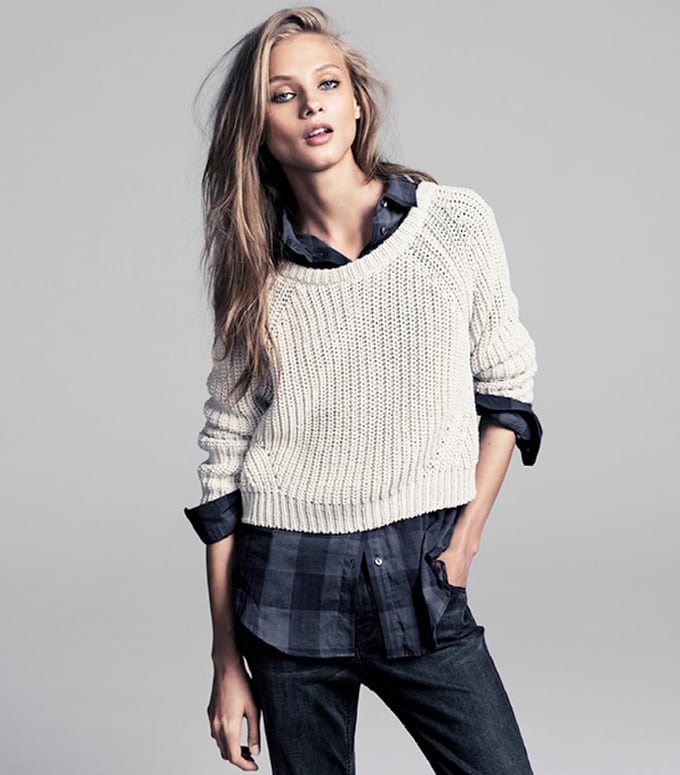
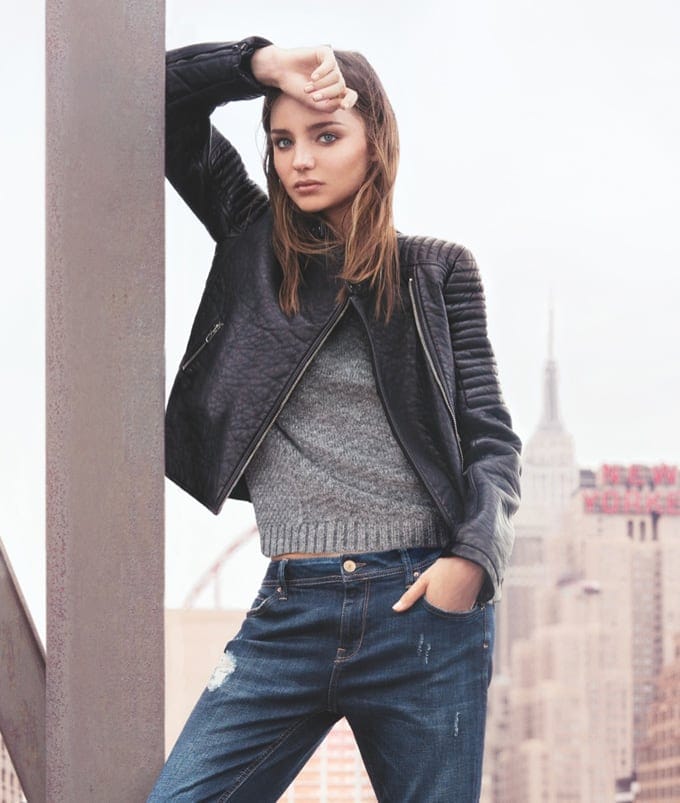
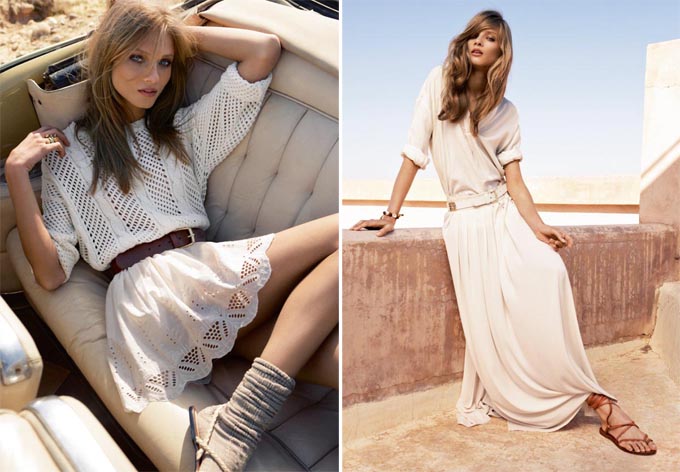
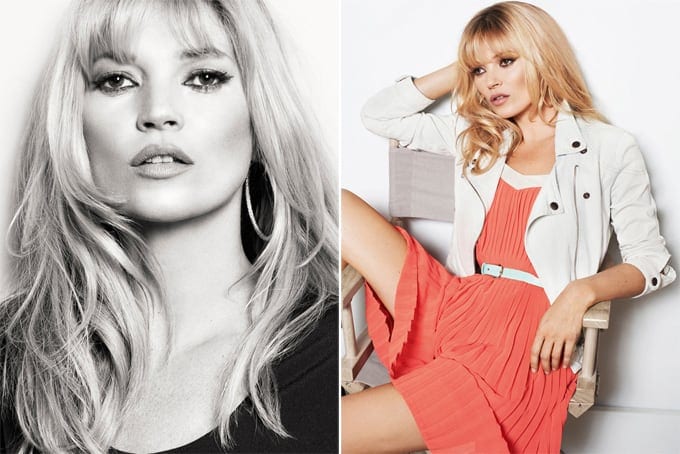
- Uses editorial-style campaigns and lookbooks to give commercial clothes a more image-led, fashion-forward identity.
Read the full overviewHow Mango grew from a Barcelona label, What does Mango make?, Why are Mango campaigns so visible?, Why Mango matters in fashion retail
How Mango grew from a Barcelona label
Mango emerged in the 1980s, when Spanish fashion retail was expanding beyond local boutiques into larger branded chains. The company’s Barcelona base mattered: the city already had strong textile, garment, and commercial design networks, and Mango used that infrastructure to scale quickly. From the start, the brand positioned itself between cheap basics and designer fashion, aiming for clothing that looked current without the price of luxury labels.
That middle position shaped the company’s business model. Mango did not simply sell garments; it built a recognizable fashion identity around them. Store design, campaign photography, and seasonal styling all helped present the clothes as part of a coherent world, even when the pieces themselves followed mainstream trends. This approach helped Mango become one of Spain’s best-known international clothing brands.
What does Mango make?
Mango produces ready-to-wear clothing for everyday and seasonal wear, with a strong emphasis on womenswear. Its collections typically include dresses, tailoring, shirts, denim, coats, knitwear, shoes, and accessories. Like other large fashion chains, it works through a mix of design development, patternmaking, fabric sourcing, and outsourced manufacturing, rather than making every item in a single in-house workshop.
The material choices are usually practical and saleable: woven synthetics, cotton jersey, denim, wool blends, viscose, and occasional leather or imitation leather. The look aims for broad appeal and easy styling. In practice, Mango garments are meant to read as polished, urban, and contemporary, borrowing visual cues from runway fashion while staying usable for mass retail.
Why are Mango campaigns so visible?
Mango has long relied on advertising and lookbooks to shape perception. Its campaigns often feature well-known models and photographers, using clean compositions and controlled styling to give the brand an aspirational tone. That matters because Mango competes in a crowded market where many garments are similar in cut and fabric; image becomes a major part of the product.
The company’s lookbooks and campaign series often borrow the language of editorial fashion photography. Faces, poses, and lighting do a great deal of work, turning commercial clothing into a mood or lifestyle. When Mango uses a model such as Kate Moss or Anna Selezneva, the point is not only recognizability. The casting signals a set of references: coolness, ease, urban chic, and a relationship to fashion media beyond the store floor.
Why Mango matters in fashion retail
Mango matters because it shows how modern high-street fashion is built. Design, manufacturing, branding, and photography operate together. The clothes themselves are important, but so are the systems that move them from sketch to shop: sourcing, sampling, campaign production, store rollout, and rapid seasonal turnover. Mango is a clear example of a company where visual culture and retail strategy are inseparable.
For readers of fashion history and image-making, Mango is also a useful case study in the globalization of accessible style. It is neither a luxury house nor a purely utilitarian chain. Instead, it sits in the middle ground where fashion imagery, commercial production, and brand identity meet. That is why it appears often in lookbooks and campaign credits: the company uses photography as a core part of how it sells clothing.
Frequently Asked Questions
Is Mango considered a luxury brand?
No. Mango is generally classified as a high-street or mass-market fashion brand. Its pricing, distribution, and production model place it well below luxury houses, even though its campaigns often use luxury-style photography. That visual polish can make the brand feel more upscale than its retail category.
Does Mango design and manufacture its own clothes?
Mango handles design and brand direction, but like most large fashion retailers it relies on a broader manufacturing network. Patterns, sampling, sourcing, and production are organized through a supply chain rather than a single factory. The brand controls the final look and commercial direction, while garment making is distributed across specialist producers.
Why do fashion publications often feature Mango campaign credits?
Mango invests heavily in image-led promotion, especially lookbooks and seasonal campaigns. Those materials are part of the brand’s identity, so photographers, models, and stylists become closely associated with it. In fashion media, a Mango campaign is not just advertising; it is also a record of how a mass-market brand presents style at a given moment.