Marvel Comics is an American comic-book publisher and entertainment brand that built a vast library of superheroes, villains, and shared-storyline franchises, including Spider-Man, the X-Men, the Fantastic Four, Thor, and the Avengers. It began in 1939 as Timely Publications, became widely known as Atlas Comics in the 1950s, and took the Marvel name in the early 1960s as its superhero line expanded. Today, Marvel operates as part of Disney-owned Marvel Entertainment and extends far beyond print into film, television, games, licensing, and merchandise.
- Founded in 1939 as Timely Publications.
- Known as Atlas Comics during the 1950s.
- The modern Marvel era began in the early 1960s with a strong focus on superheroes.
- Its stories use a shared universe, so characters and events cross between titles.
- Marvel’s imagery now shapes film design, product collaborations, fashion, and fan art as much as comics.
Where Marvel Comics came from
Marvel’s first life was as a pulp-style publishing company founded by Martin Goodman. Under Timely Publications, it produced comic books in a crowded market dominated by newspaper-style adventure strips, masked heroes, and war stories. The company changed names and editorial direction several times, but it survived because it could respond quickly to popular taste and production demands.
The turning point came in the early 1960s, when editor Stan Lee and artists such as Jack Kirby and Steve Ditko helped create a more personal, interconnected superhero universe. Their characters argued, doubted themselves, and had problems outside costume life, which gave Marvel a different tone from its main rival, DC. That approach turned the publisher into a cultural force rather than just a comic imprint.
What makes Marvel different?
Marvel Comics is known for its shared universe: one character’s story can affect another title, and events can ripple across multiple series. That structure makes Marvel feel like a living system rather than a stack of separate books. It also gives designers, illustrators, and editors a dense visual archive to draw from: uniforms, symbols, logos, cover layouts, tech props, and character silhouettes that can be recognized at a glance.
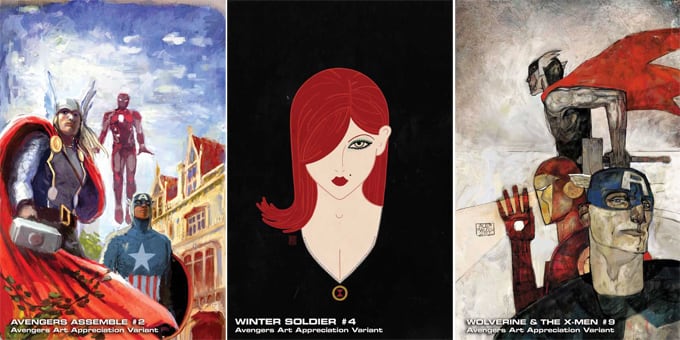
The company’s signature style has changed over time, but a few traits recur. Costumes tend to use bold emblems and practical-seeming details; settings often mix urban realism with science fiction or fantasy; and covers are built to read quickly from a distance. In practice, Marvel has always worked as a machine for translating characters into repeated forms: panel sequences, toy lines, posters, movie costumes, and special edition objects.
Why Marvel matters in visual culture
Marvel matters because it became one of the most widely exported visual systems of the 20th and 21st centuries. Its characters are not only narrative figures but graphic assets, each with a body shape, color palette, icon, and attitude that can be remixed across media. That makes Marvel especially useful for artists and brands looking for instantly legible references.
In design terms, Marvel is a library of modern mythology. It has influenced magazine covers, advertising, watch faces, fashion graphics, installation art, packaging, and product collaborations. A Spider-Man watch or Avengers-themed cover works because the Marvel name carries both story and style: readers know the character, but they also recognize the visual language attached to him.
How Marvel looks in practice
Marvel’s presence in the built world usually appears through adaptation and licensing. A commercial object might borrow a hero’s mask shape, a logo’s geometry, or a comic-book color scheme. A film tie-in might restage a character in a new material, such as polished metal, plastic, enamel, or screen-printed textile, while keeping the same graphic identity. That balance between change and recognition is central to the brand.
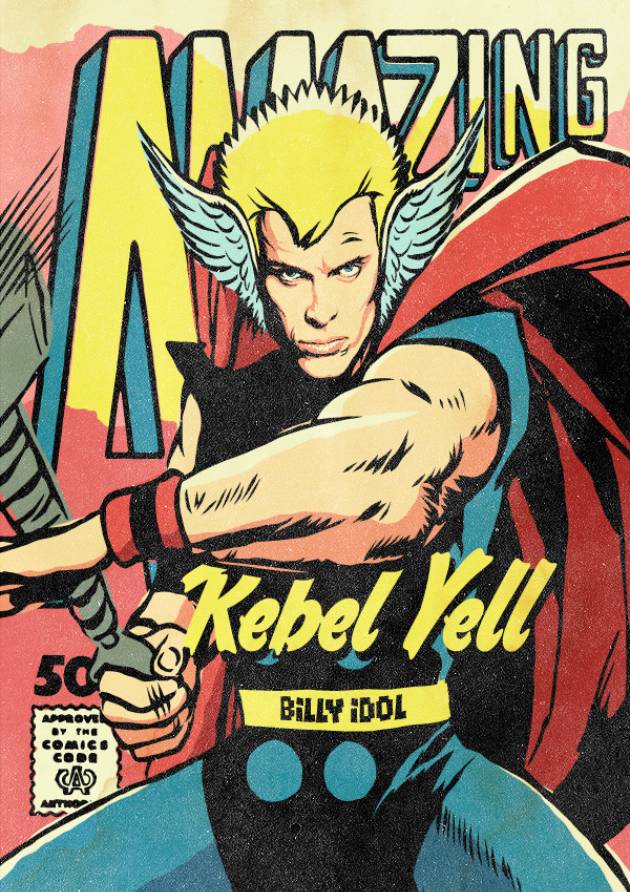
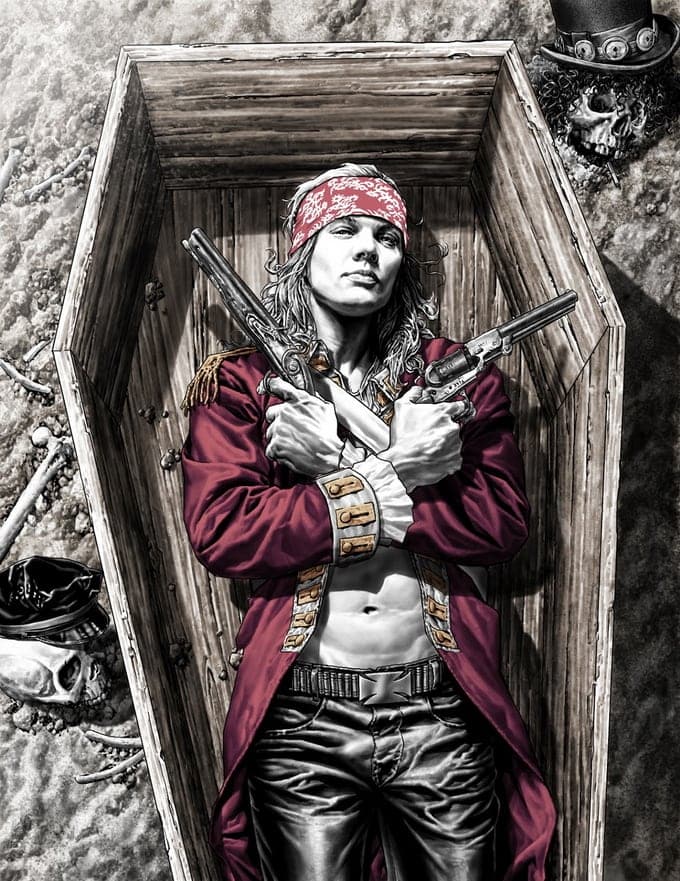
For artists, Marvel often functions as a source of templates. Reimagining superheroes as older, alternative, or culturally specific figures still depends on the original Marvel design code: the distinctive costumes, poses, and emblems that make the transformation readable. The company’s long publishing history means those codes are familiar enough to be altered without losing their meaning.
Frequently Asked Questions
Is Marvel Comics the same as Marvel Entertainment?
Not exactly. Marvel Comics is the publishing arm associated with comic books, while Marvel Entertainment became the parent company that organized broader licensing and media operations. After Disney acquired Marvel Entertainment in 2009, the corporate structure became more complex, but the comic-book brand remained central.
Why did Marvel comics become so popular?
Marvel’s rise came from combining superhero spectacle with ordinary human problems. Its characters worried about rent, relationships, illness, work, and identity, which made them feel less like symbols and more like people. That realism sat inside bright, dramatic artwork, which gave the books strong visual punch.
What does Marvel influence outside comics?
Marvel shapes film design, collectibles, fashion collaborations, advertising, and fan-made reinterpretations. Its logos and characters are so familiar that they can be used as shorthand for action, youth culture, or retro-futurism. That is why Marvel shows up in products and artworks far beyond the pages of comic books.
At a glance
- Founded
- 1939
- Address
- New York, United States
Articles mentioning Marvel Comics