The Avengers is Marvel Comics’ flagship superhero team, first published in 1963 and built around a rotating cast of individual heroes who join forces against threats no single character can handle alone. The team began as a commercial answer to the success of DC’s Justice League, but it quickly became one of the central ideas in Marvel storytelling: separate properties linked into one shared universe.
- First appeared in The Avengers #1 in September 1963.
- Created by writer-editor Stan Lee and artist/co-plotter Jack Kirby.
- Originally assembled from Iron Man, Ant-Man, Wasp, Thor, and Hulk.
- The team’s core idea is collaboration across distinct characters, powers, and personalities.
- It later became a major franchise across comics, film, television, posters, and licensed art.
How the team was formed
The first Avengers comic brought together heroes who were already known from their own titles. Iron Man, Ant-Man, Wasp, Thor, and the Hulk were not designed as a single permanent unit; they were folded into one book to create a larger, more flexible cast. That structure let Marvel combine the excitement of a team book with the appeal of star characters. The result was less a fixed lineup than a format for bringing different figures into the same story world.
The original pitch also gave the team a name that sounded grand and public-facing: Earth’s Mightiest Heroes. That phrasing mattered. It framed the group as a headline act, not just a convenient crossover. In practice, the Avengers became the place where Marvel could stage large conflicts, introduce new members, and test how heroes with clashing methods would work together.
Why does The Avengers matter in comics and design?
The Avengers helped define the modern superhero team. Earlier team books existed, but Marvel used the Avengers to make continuity itself part of the attraction. Readers followed not only the team’s missions but the friction between characters, the handoffs between solo titles, and the visual challenge of fitting several distinct costumes and body types into one composition. That made the Avengers a strong model for serial publishing, where a shared universe could drive repeated return visits.
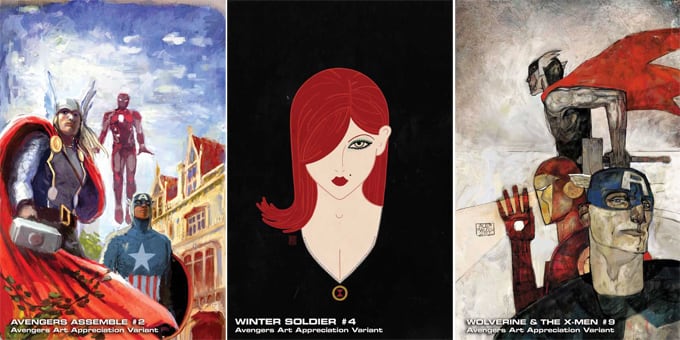
For visual culture, the franchise became a dependable source of recognizable iconography: the circular “A” emblem, star-spangled or metallic palettes, grouped character portraits, and battle scenes built around contrast and scale. On covers, posters, and promotional art, the Avengers format usually relies on hierarchy. One figure may anchor the image, but the power comes from arrangement—heroes spread across the frame, each kept legible while still reading as a unit.
What does an Avengers image usually look like?
Avengers imagery tends to be crowded but controlled. The design problem is to show action without losing character identity, so artists often separate figures by stance, color, and lighting. Iron Man reads as red and gold metal; Thor as a cape, hammer, and broad silhouette; the Hulk as mass and motion; Captain America as shield, blue field, and upright posture. Even when the roster changes, the visual method stays similar: a group portrait built from individual symbols.
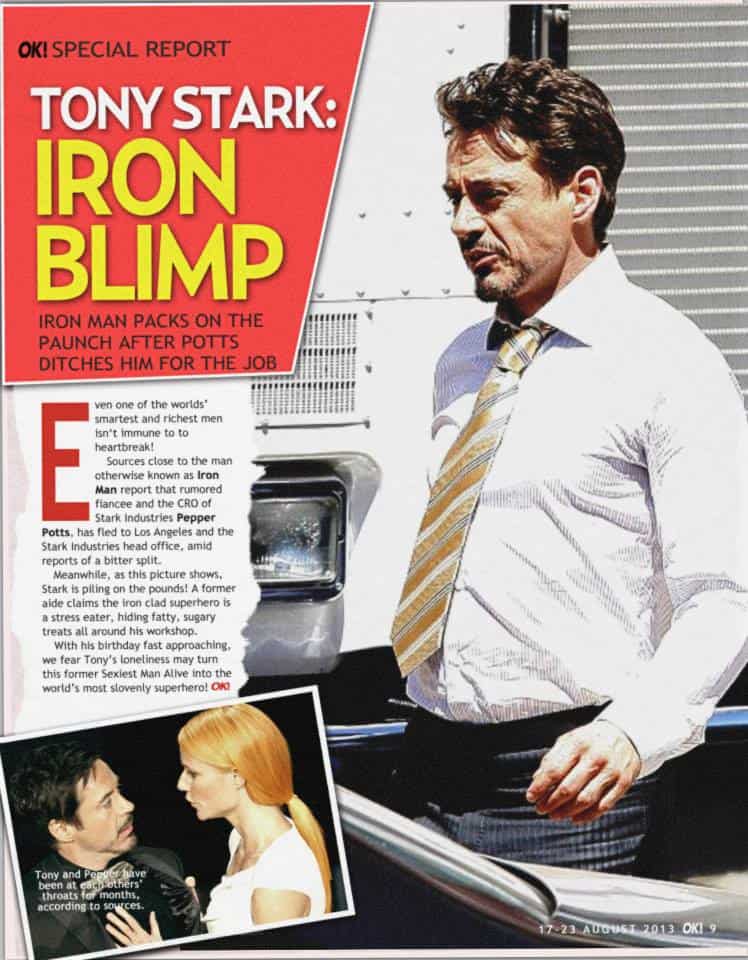
That logic carries into licensed imagery such as magazine covers, variant covers, and movie posters. The team is often used as a shorthand for scale, spectacle, and crossover appeal. A good Avengers image does not just show heroes together; it organizes them into a clear visual system, where every member is identifiable at a glance and the composition suggests alliance, tension, or imminent conflict.
How did the Avengers become a cross-media brand?
The team’s move from comic book property to wider brand was gradual, then overwhelming. The Marvel Cinematic Universe turned the Avengers into a central franchise structure, using individual films to build toward ensemble events. That approach echoed the comics’ original logic, but on a much larger production scale. The team became both a story and a business model: separate entries feeding a shared climax.
That is why the Avengers appear so often in promotional art and speculative design. Publishers and studios can use the name to signal a shared universe, a large cast, or a major reveal. The brand also invites formal experimentation, because each new image has to balance familiarity with novelty. Designers work within a tight set of symbols while still trying to make the lineup feel current.
Frequently Asked Questions
Are The Avengers the same as Avengers Assemble?
Not exactly. The Avengers is the original Marvel Comics team and the title most readers use for the franchise as a whole. Avengers Assemble is a title used in some markets, including the UK and Ireland for the 2012 film, but it points to the same core property.
Who created the Avengers?
Writer-editor Stan Lee and artist/co-plotter Jack Kirby created the team. They introduced it in The Avengers #1 in 1963. The original lineup mixed heroes from separate Marvel titles into one group book.
Why do artists keep returning to the Avengers?
The team offers a clear visual and narrative structure: many characters, one frame, strong contrasts. That makes it useful for posters, magazine covers, and variant art, where composition has to carry meaning quickly. It also gives designers a familiar brand with enough room for each new project to add a different tone or roster.
}{
Articles mentioning The Avengers