
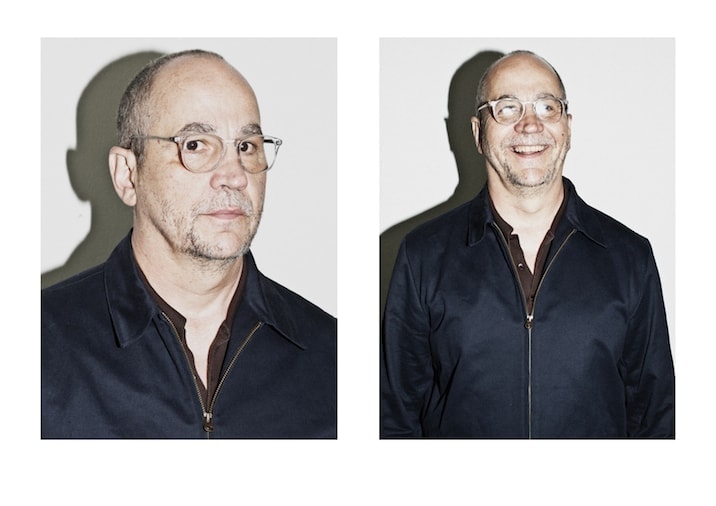
Philip-Lorca diCorcia is an American photographer known for staged, cinematic images that borrow the look of street photography while being carefully lit and directed. Born in 1951, he studied at the School of the Museum of Fine Arts, Boston, and earned an MFA in photography from Yale University in 1979. He has lived and worked in New York and has also taught at Yale.
| Field | Photography |
|---|---|
| Born | 1951 |
| Nationality | American |
| Education | School of the Museum of Fine Arts, Boston; Yale University, MFA in Photography |
| Known for | Staged, highly controlled photographs with the apparent spontaneity of documentary scenes |
| Based in | New York |
What kind of photographer is Philip-Lorca diCorcia?
diCorcia works at the boundary between documentary and fiction. His photographs often appear casual, as if they were taken quickly in public, but they are typically planned with great precision. He uses flash, controlled framing, and carefully chosen subjects to make ordinary places feel tense, theatrical, or unsettling.
This method matters because it changes how photographic truth is understood. A diCorcia image may look like a fragment of daily life, yet its emotional force comes from construction: lighting, timing, and the photographer’s decision to isolate a gesture or face. That tension has made his work influential in contemporary photography.
How does he make his pictures?
diCorcia’s practice often begins with observation in everyday settings: city streets, interiors, or public spaces. Rather than relying on the spontaneous snap common to street photography, he arranges the conditions of the image. Strong artificial light, usually from flash, flattens or sharpens the scene and gives it a heightened clarity.
The result is a picture that feels both immediate and directed. Figures may seem caught unaware, but the image itself has the polish of a film still. That combination of candid appearance and deliberate control is central to his style and to the discussion around his work.
Why does his work matter?
diCorcia helped expand what photographic realism could look like at the end of the twentieth century. His work sits beside broader debates about authorship, performance, surveillance, and the ethics of photographing strangers in public. Rather than presenting the world as neutral evidence, his pictures show how much atmosphere and meaning can be constructed.
He also belongs to a generation of photographers who pushed the medium toward fine art without giving up its connection to the street and the everyday. For editors, curators, and photographers, his images remain a strong example of how composition and lighting can turn an ordinary moment into something psychologically loaded.
Where does his background fit into his practice?
His training at Boston and Yale placed him in a rigorous art-school environment where photography was treated as both craft and conceptual practice. Yale in particular became a major site for photographic discourse, and diCorcia’s later teaching there linked his own work to that institutional world.
Living and working in New York has also shaped the scale and subject matter of his images. The city gives him dense public spaces, passing faces, and layered social scenes, all of which suit a method based on observation, staging, and the controlled capture of fleeting behavior.
Frequently Asked Questions
Is Philip-Lorca diCorcia a street photographer?
He is often discussed alongside street photography, but the label is only partly accurate. His pictures borrow the look of street photography while using setups that are more deliberate than the usual candid approach. The tension between spontaneity and control is what gives the work its force.
What makes his photographs look cinematic?
He uses lighting, framing, and timing in ways that resemble film production. Flash can isolate a figure from the background and create a dramatic, staged glow, while the composition often suggests a frame cut from a larger narrative. That cinematic feeling comes from construction, not from any literal connection to film.
What is Philip-Lorca diCorcia best known for?
He is best known for images that make ordinary life feel suspended and scripted at once. The subjects may be anonymous, but the pictures are precise in mood and presentation. His reputation rests on turning everyday scenes into carefully engineered photographs with a strong psychological edge.
Articles mentioning Philip-Lorca diCorcia
