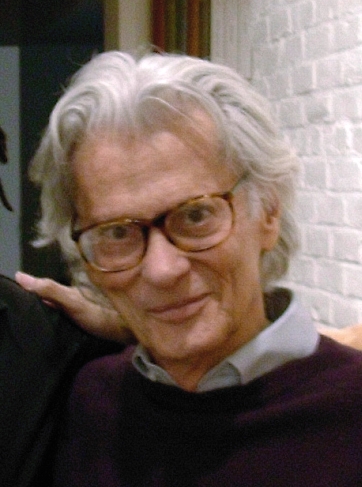
Richard Avedon was an American fashion and portrait photographer whose stark, highly controlled images changed how editorial photography could look. Working from the 1940s through the early 2000s, he moved between glossy magazine fashion spreads, celebrity portraits, and documentary projects, and became one of the most influential photographers of the 20th century.
| Born | May 15, 1923, New York City |
|---|---|
| Died | October 1, 2004, San Antonio, Texas |
| Known for | Fashion photography, portrait photography, magazine commissions |
| Working methods | Large-format studio portraiture, bright flash, plain backgrounds, direct posing |
| Associated publications | Harper’s Bazaar, Vogue, The New Yorker |
What made Avedon different?
Avedon stripped fashion photography of its usual polish and social distance. Instead of treating clothes as static objects, he used motion, expression, and tension in the body to make garments feel alive. In the 1950s and 1960s, his work for Harper’s Bazaar and later Vogue helped move fashion imagery out of posed studio décor and into a more modern, psychologically charged style.
He also changed portraiture. Avedon often placed sitters against seamless white backgrounds and lit them with hard, even light so that nothing distracted from the face, posture, or gesture. The method looks simple, but it depends on precise control of distance, stance, lens choice, and tonal separation. The result can feel exposed, even confrontational, because the image leaves little room for status symbols or scenic props.
How did he work?
Avedon’s process combined the discipline of studio photography with the energy of performance. He directed subjects carefully, asking for posture shifts, eye contact, or subtle changes in expression until the frame carried the right amount of friction. For fashion shoots, this meant making models seem impulsive even when every element was tightly choreographed. For portraits, it meant using a plain field and sharp contrast to force attention onto the subject’s face and body language.
He often relied on large-format cameras and crisp, detailed printing, which gave his images an exacting surface quality. That clarity matters: fabric texture, skin, and gesture all read with unusual precision. The approach influenced generations of fashion and portrait photographers who learned that minimal settings, strong lighting, and direct posing can produce more drama than elaborate sets.
Why does Avedon still matter?
Avedon’s influence remains visible in editorial photography, advertising, and contemporary portraiture. Many later photographers borrowed his signature ingredients: the white background, the frontal pose, the sense of psychological exposure, and the tension between elegance and unease. Those devices now read as familiar, but they were once a break from the softer, more decorous conventions that dominated midcentury fashion imagery.
His work also helped define the idea that a fashion photograph can be about more than clothing. In Avedon’s hands, a dress, a coat, or a model’s movement could become part of a larger statement about identity, desire, and performance. That is why his images still appear in discussions of visual culture: they show how fashion photography can shape not only taste, but the way modern subjects are pictured and understood.
What does an Avedon image look like in practice?
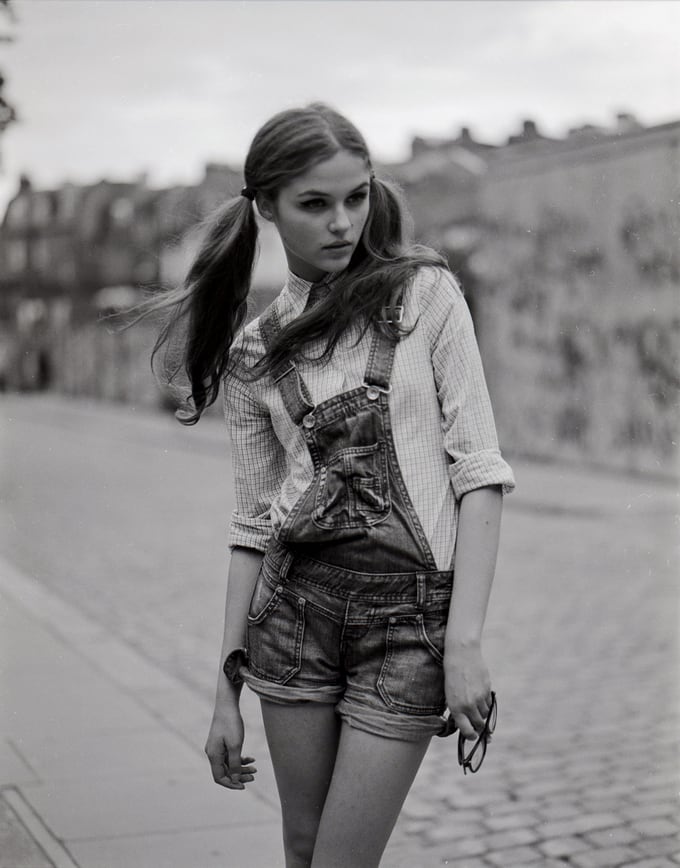
An Avedon photograph often has a clean, almost severe surface. The background may be blank, the lighting bright and even, and the framing tight enough to isolate the subject. In fashion work, the body can twist, stride, or lean so that the garment moves with it rather than hanging passively. In portrait work, the sitter may stand straight or look slightly off balance, creating a sense that the image caught a private moment under public pressure.
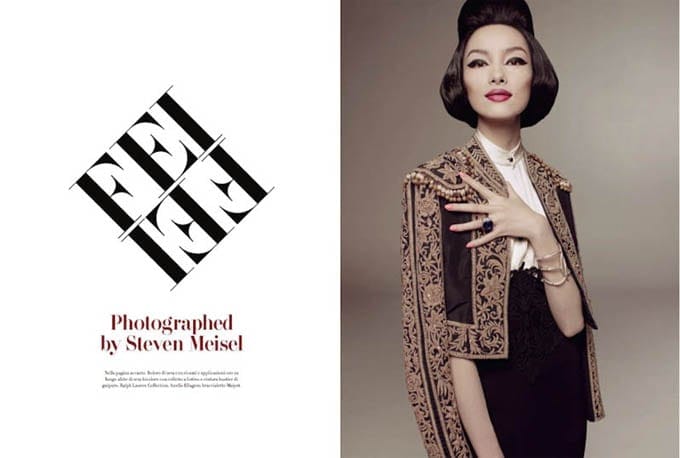
That visual style has made Avedon a useful reference point for later magazine photographers, including those working in high-fashion contexts such as Vogue. His legacy is not just a look but a method: simplify the frame, control the light, and let posture and expression carry the meaning.
Frequently Asked Questions
Was Richard Avedon mainly a fashion photographer?
Fashion photography made him famous, but portraiture was equally important to his career. He worked extensively for magazines, yet he also made major bodies of portrait work that are studied on their own terms. The two practices fed each other, since his fashion images borrowed the psychological directness of portraiture.
Why are Avedon’s portraits often shot on white backgrounds?
The white background removes environmental cues and keeps attention on the sitter’s face, body, and expression. It also creates a clinical brightness that can make the portrait feel exposed and immediate. That choice became one of his most recognizable signatures.
Did Avedon influence later magazine photography?
Yes. His style helped establish the modern fashion editorial language of clean backgrounds, sharp lighting, and emotionally charged posing. Many photographers who work for major magazines still use variations of his approach, even when the references are indirect.
Articles mentioning Richard Avedon