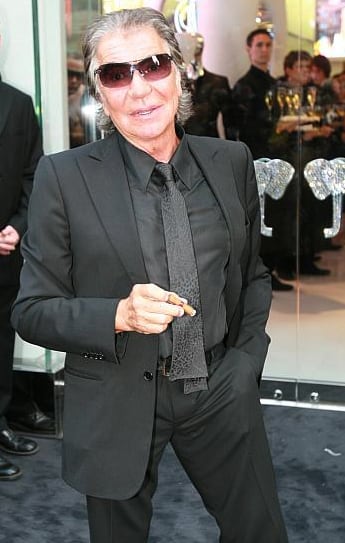
Roberto Cavalli is an Italian fashion designer known for flamboyant prints, body-conscious silhouettes, and a commercial approach to denim finishing that helped make distressed jeans mainstream. Born in Florence in 1940, he built a label that turned animal patterns, metallic surfaces, and sensual tailoring into a recognisable luxury signature.
| Born | 15 November 1940, Florence, Italy |
|---|---|
| Known for | Exotic prints, glamour-driven womenswear, leatherwork, and sand-blasted denim finishes |
| Field | Fashion design |
| Notable contribution | Popularised the sand-blasted look for jeans, later adopted across the denim industry |
| Family | Father of fashion designer Daniele Cavalli |
What made Cavalli’s design language distinctive?
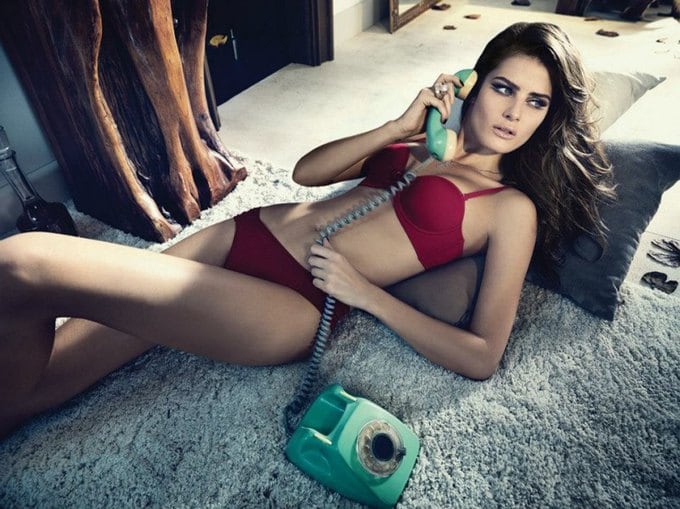
Cavalli’s work relies on immediate visual impact. He used leopard spots, snake patterns, saturated colour, and high-contrast embellishment to create clothes that looked theatrical even in everyday settings. The effect was not quiet luxury but visible confidence: dresses cling to the body, shirts open low, and prints compete rather than recede.
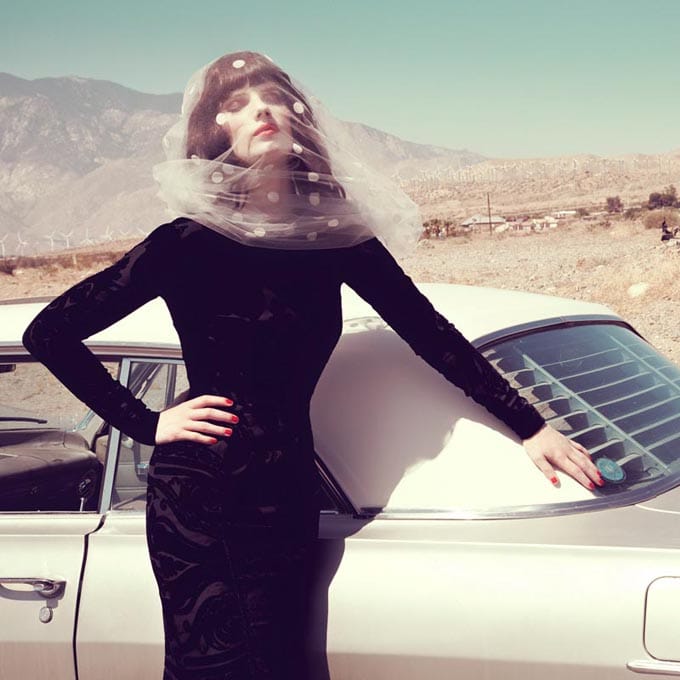
That style placed him apart from designers who treat decoration as restraint. Cavalli made decoration the point. His clothes often combine print, sheen, and texture in ways that echo nightclub dressing, jet-set glamour, and Italian resort culture. For magazines and advertising campaigns, the result photographed strongly, which helped his name travel far beyond the runway.
How did he change denim?
Cavalli is widely associated with the sand-blasted look for jeans, a finishing technique that abrades denim to create faded patches, worn edges, and an uneven surface. The process gives new fabric the appearance of age and use, which became a key part of premium and mass-market denim styling.
This mattered because it shifted distressing from a niche effect to an industry standard. Denim makers later adopted a wide range of similar washes and finishes, but Cavalli helped normalise the idea that jeans could be manufactured to look broken-in, weathered, and individual before a customer ever wore them.
Where did his fashion come from?
Florence shaped Cavalli’s career in more than a biographical sense. The city has a long tradition of leatherwork, textile production, and luxury craft, and Cavalli’s label grew from that Italian fashion environment rather than from a strictly Parisian couture model. He worked within a ready-to-wear system that prized recognisable branding and strong product identity.
His career reflects a period when designer labels were becoming global commercial brands. Cavalli’s clothes, accessories, and licensing deals extended the same visual vocabulary across multiple product categories. That made the name less about a single garment than about a lifestyle image built from print, surface, and sex appeal.
Why does Roberto Cavalli still matter?
Cavalli matters because he helped define a durable version of luxury that is loud, sensual, and unmistakable. His work fed a larger fashion shift toward statement dressing, celebrity-friendly glamour, and denim as a fashion item rather than a basic utility garment. Many later brands borrowed from that formula, even when they toned down its excess.
He also shows how techniques can become signatures. A print, a wash, or a cut can carry as much identity as a logo when it appears consistently enough and photographs well enough. Cavalli understood that manufacturing choices are part of design language, not just production detail.
Frequently Asked Questions
Is Roberto Cavalli a couture designer?
No. Cavalli is better understood as a luxury ready-to-wear designer with a strong commercial brand identity. His clothes were made to sell as part of a broader fashion business, not to follow the formal structure of couture houses.
What is the sand-blasted denim look?
It is a finishing method that abrades denim so it appears faded, softened, and worn in specific areas. The effect creates visual depth and an aged surface on otherwise new jeans. Cavalli is commonly credited with helping bring that look into mainstream fashion.
Did Cavalli design only women’s clothing?
No. Although his most recognisable work is often in womenswear, his brand also extended into menswear, accessories, and other lifestyle products. The same emphasis on print, glamour, and surface carried across those categories.
Articles mentioning Roberto Cavalli