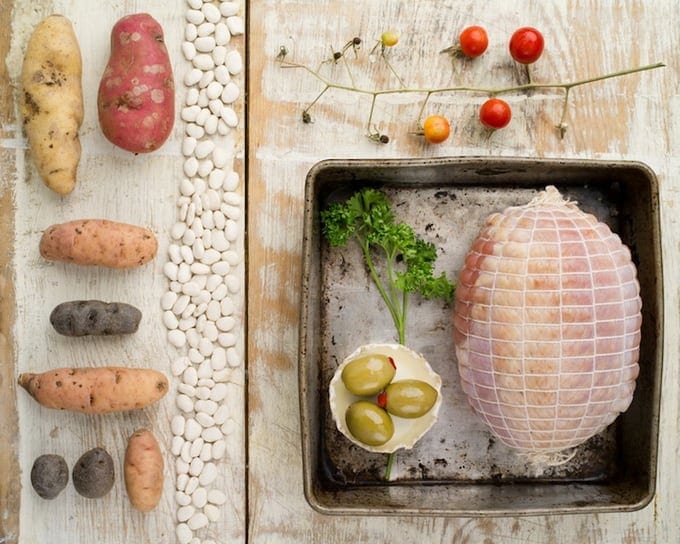
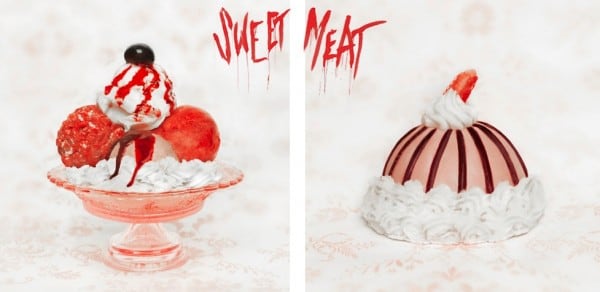
Still life photography is photography of inanimate objects arranged for the camera, usually in a controlled studio setting. The subject can be fruit, flowers, glass, packaged goods, tools, food, books, or found objects, but the core method stays the same: the photographer composes a scene, shapes the light, and records it with deliberate control over every element in frame.
- It comes from the still life tradition in painting, where ordinary objects were arranged to study form, light, texture, and meaning.
- The genre gives the photographer unusual control over composition, spacing, colour, scale, and surface.
- Lighting matters as much as subject matter; a small shift in direction or softness can change the mood entirely.
- It appears in fine art, advertising, food photography, editorial work, and product imaging.
- Good still life work often relies on props, backdrops, reflectors, flags, and careful object styling.
What counts as still life photography?
Still life photography depicts objects that do not move on their own. That usually means a set of arranged items rather than a candid scene. The camera may record a table with fruit and crockery, a perfume bottle on a seamless backdrop, or a dense, symbolic arrangement built for a conceptual series.
The term covers a wide range of uses. At one end is commercial product photography, where every label and highlight must be legible. At the other is expressive art photography, where objects stand in for memory, absence, consumption, time, or domestic life. In both cases, the photographer builds the image rather than waiting for it.
Where did it come from?
Still life photography grew out of still life painting and later borrowed from studio portraiture and advertising. When photography became practical in the 19th century, photographers began making images of flowers, table settings, scientific specimens, and household objects because these subjects could be controlled under long exposure times. They were useful for testing lenses, studying lighting, and showing detail.
As photographic technology improved, the genre expanded. Shorter exposures and stronger artificial light made it easier to photograph reflective surfaces, transparent glass, glossy packaging, and fresh food. By the 20th century, still life photography had become central to magazines, catalogs, and advertising, where the image had to make an ordinary object look desirable, clear, or symbolic.
How is a still life photograph made?
The process usually begins with object selection and arrangement. Photographers and stylists decide which forms, colours, textures, and proportions will hold the frame together. A single apple may be enough for a minimalist image; in a more elaborate setup, the arrangement can include fabric, cutlery, books, flowers, packaging, or sculpted materials designed to catch light in specific ways.
Lighting is the decisive craft. Soft light from a large source can flatten reflections and create smooth tonal transitions, while hard light can sharpen edges and throw dramatic shadows. Reflectors, diffusers, scrims, black cards, clamps, and foam boards often shape the scene more than the camera itself. Lens choice, camera angle, background, and depth of field all affect how solid, glossy, fragile, or theatrical the objects appear.
Why does it matter?
Still life photography rewards control. Because the objects remain still, the photographer can make precise decisions about composition and lighting instead of reacting to movement. That makes the genre useful for learning visual structure: balance, rhythm, contrast, surface, and the way objects relate to empty space.
It also carries cultural weight. A bowl of fruit can suggest abundance or decay. A medicine bottle can imply illness, care, or routine. A branded product shot can signal aspiration and value. In other words, still life photography does not just show objects; it stages the way objects are read.
Frequently Asked Questions
Is still life photography only for artists?
No. It is common in commercial photography, especially for products, cosmetics, food, and packaging. Advertising teams use still life methods to make objects appear clean, desirable, and easy to understand. Fine art photographers use the same setup logic for more personal or conceptual work.
What equipment is most useful?
A camera, a stable support, and controllable light form the basic kit. Many still life photographers also use tripods, studio lights, reflectors, diffusers, and simple backgrounds such as paper sweeps or painted boards. Styling tools matter too, including tape, putty, clamps, and tweezers for positioning objects precisely.
How is it different from product photography?
Product photography is usually a practical subset of still life photography focused on selling or documenting an item. Still life photography can do that, but it can also be symbolic, experimental, or purely aesthetic. The difference lies less in the objects themselves than in the intent and visual language of the image.
Articles mentioning Still life photography