Using the iconic Michael Halsband image of Jean-Michel Basquiat and Andy Warhol in Everlast boxing gloves and shorts as source material, street artist…
Banksy didn’t win an Academy Award, wasn’t spotted at the show and didn’t even bother to vandalize the Kodiak Theater restrooms – disappointing stuff,…
From birds caught in mid-flight to elaborate NYC-inspired cityscapes, Gene Coffey tattoos those images in a fluid painterly-style best known as “Watercolor Tattoos.”…
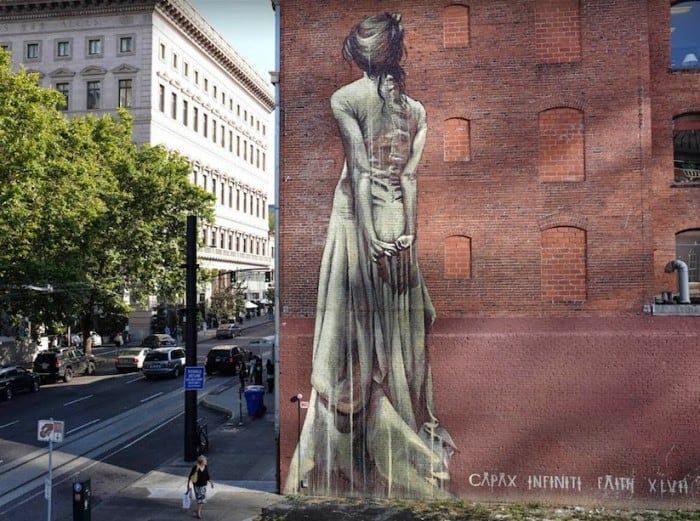
In the vibrant city of Portland, Oregon, the renowned South African muralist Faith47 has created a breathtaking addition to the city's urban canvas. Her…
New York-based artist Kevin Cyr creates oil paintings of commercial vehicles, vans, and RVs, seen on the streets covered in graffiti, and other…
No articles match this filter.
Read the full overview
Street art, once seen as an act of vandalism, has evolved into a respected and influential form of urban expression.
It often conveys social and political messages, bridging the gap between art and activism.
The transformation from graffiti to street art has seen the medium gain legal and commercial recognition.
Street art tours and festivals have become popular, reflecting its integration into mainstream culture.
Legal and ethical debates continue to shape the street art scene, with copyright and public space usage at the forefront.
What distinguishes street art from graffiti? Street art is often image-based and intent-driven, aimed at engaging a broad audience, while graffiti traditionally focuses on stylized text and is associated with territorial marking.
Can street art be considered legal? Legality depends on authorization. If an artist has permission to use a space for their work, it’s legal. Unauthorized street art is often still considered vandalism.
How has street art impacted communities? Street art can revitalize neighborhoods, stimulate tourism, and provoke community dialogue. It transforms public spaces, adding vibrancy and cultural depth.
Do street artists make money from their work? Some do, especially when transitioning into gallery shows, commissions, and merchandise. The commercial success of street artists varies widely.
What challenges do street artists face? Beyond legal risks, street artists contend with issues of commercialization, preserving the integrity of their work, and navigating the art world’s traditional boundaries.