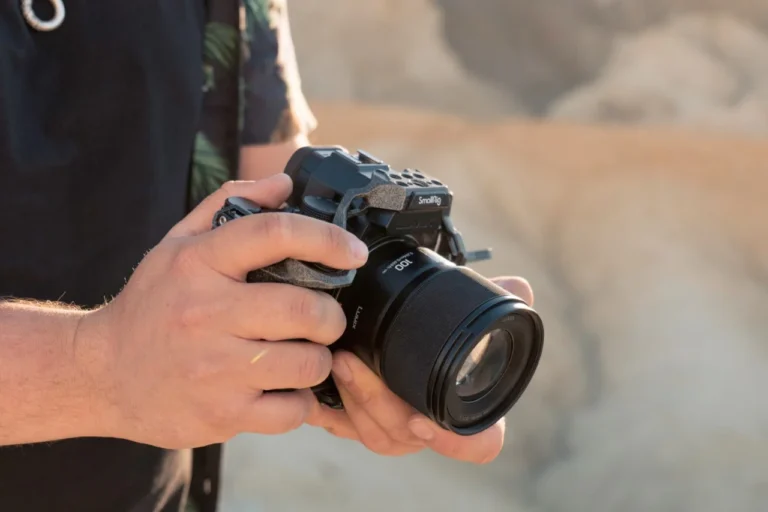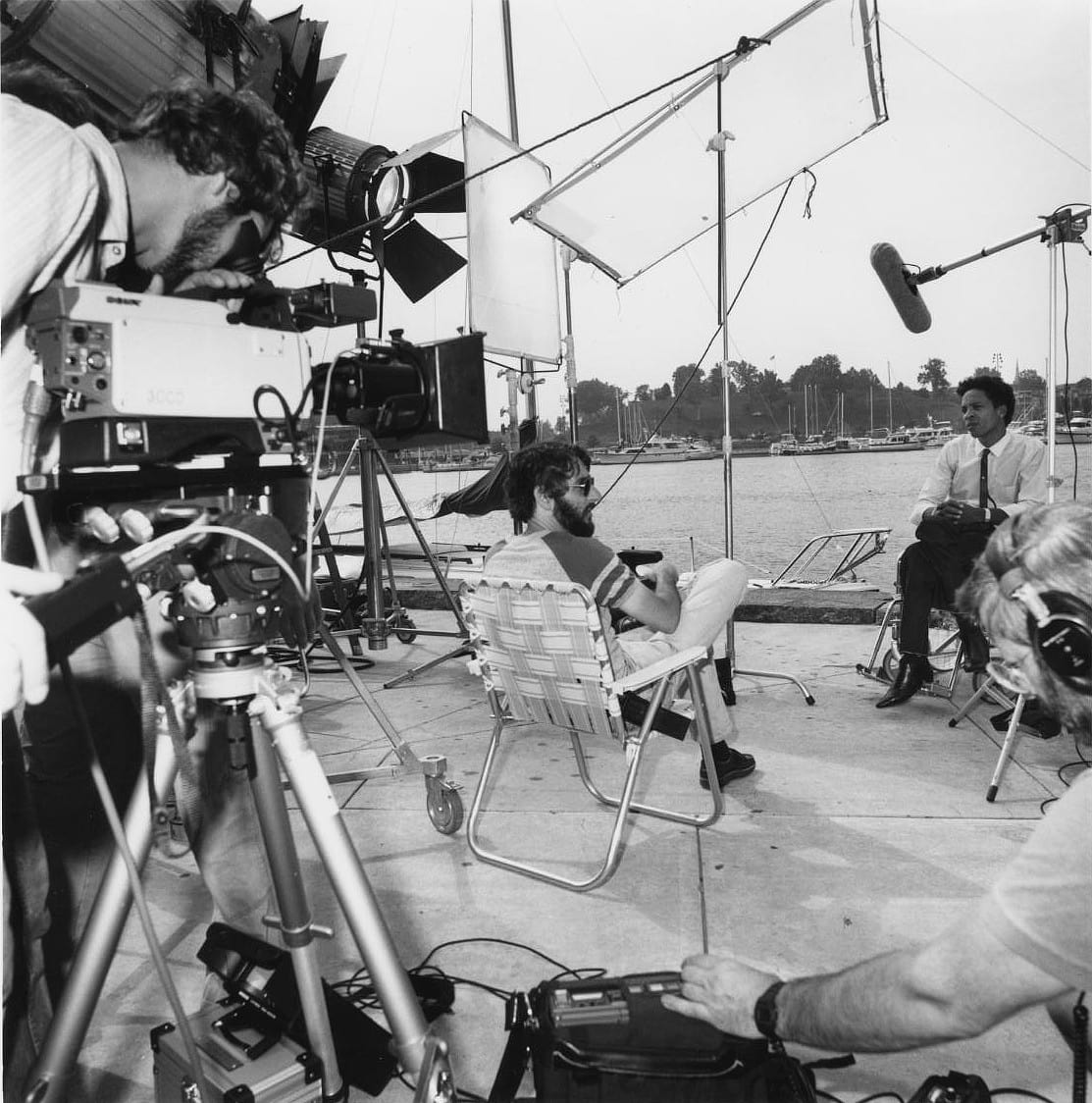
Videography is the practice of recording moving images with electronic cameras and media, then shaping those recordings through editing, colour correction, sound mixing, and delivery for screens or streaming. It is the video-based counterpart to cinematography: both describe the craft of making moving pictures, but videography usually implies electronic capture rather than film stock.
- It covers both production and post-production, from camera setup to final export.
- It usually refers to work shot on digital sensors, memory cards, or other electronic recording media.
- It became common as video cameras and digital workflows displaced film in everyday production.
- The term is used for weddings, events, journalism, social media, commercials, and independent production.
- In practice, it depends on camera movement, lighting, audio capture, and editing decisions as much as on the camera itself.
What videography actually includes
Videography is not just pressing record. A videographer chooses a camera system, lenses, frame rate, resolution, colour profile, and audio setup, then manages the recorded material into a finished piece. That work can include stabilisation with gimbals or glidecams, multicamera shooting, live streaming, file transcoding, and post-production grading.
The term is broad enough to cover a solo creator filming short-form content and a crew producing branded video for a company. In both cases, the job is to make moving images that feel coherent, legible, and suited to their platform, whether that platform is a cinema screen, a phone, a broadcast channel, or a website.
Where did the term come from?
The word combines video, from Latin videre, meaning “to see,” with -graphy, from Greek, meaning “writing” or “describing.” The pairing suggests the act of writing with images rather than with text. It emerged alongside electronic imaging, when video recorders and later digital cameras made moving-image production more accessible than film-based production.
Because of that history, the word often signals a practical, electronic workflow. In older usage, film-makers might have distinguished themselves from videographers to emphasise artistic or cinematic intent. Today the boundary is looser, but the term still usually points to video production outside the traditional film industry.
How is videography different from cinematography?
Cinematography usually refers to the art and technique of shooting motion pictures on film, or to the visual design of film production more generally. Videography tends to mean the same kind of work done with digital or electronic capture, often in smaller-scale or faster-turnaround settings. The difference is partly technical and partly cultural.
In practice, the tools overlap heavily. A videographer may use the same kinds of lenses, rigs, lights, and composition principles as a cinematographer. The main difference is the medium and the production context: videography is more likely to involve compressed digital files, quick editing, and delivery for online viewing rather than theatrical release.
Why it matters in visual culture
Videography shapes how most contemporary moving images are made and consumed. It underpins event coverage, music videos, product launches, interviews, tutorials, social campaigns, and the short-form clips that define much of online culture. Its reach matters because moving images now circulate through phones, tablets, laptops, and screens in public space as often as through cinemas or television.
The craft also affects how a story feels. Handheld footage can suggest immediacy; a locked-off shot can create order; shallow depth of field can isolate a subject; clean audio can make a talking-head video credible. These are material choices, not abstract ones, and they depend on lighting, sensor performance, microphones, supports, and editing software.
What does videography look like in practice?
A typical videography workflow starts with planning: what must be filmed, where it will be shown, and what look it should have. The shoot may involve a mirrorless or DSLR camera, a smartphone rig, a shoulder mount, a tripod, a gimbal, or a drone. Good videography also depends on sound capture, which often matters more than image resolution to the final result.
After filming, the footage moves into editing software where clips are trimmed, arranged, stabilised, coloured, and mixed with music or dialogue. The finished video may be exported in multiple versions for different platforms, each with different aspect ratios, compression settings, and file sizes. That pipeline is why videography sits between craft and technical production: it is defined by both how images are made and how they are distributed.
Frequently Asked Questions
Is videography the same as video production?
Not exactly. Videography usually refers to the act of shooting and often editing video, especially in hands-on, smaller-scale settings. Video production is broader and can include scripting, producing, directing, motion graphics, and delivery as well as capture.
Do videographers need film-school training?
No formal path is required. Many learn through practice, online tutorials, and paid work on events or branded content. Strong videography usually depends more on camera handling, lighting, audio, and editing skill than on a particular credential.
Why do some professionals prefer “cinematographer” instead?
The title often signals a different kind of production or a more explicitly cinematic approach. Cinematographer is common in film, narrative television, and higher-budget commercial work, while videographer is more often used for weddings, corporate events, journalism, and online video. The distinction is not absolute, but it still shapes expectations about scale and style.
Articles mentioning Videography