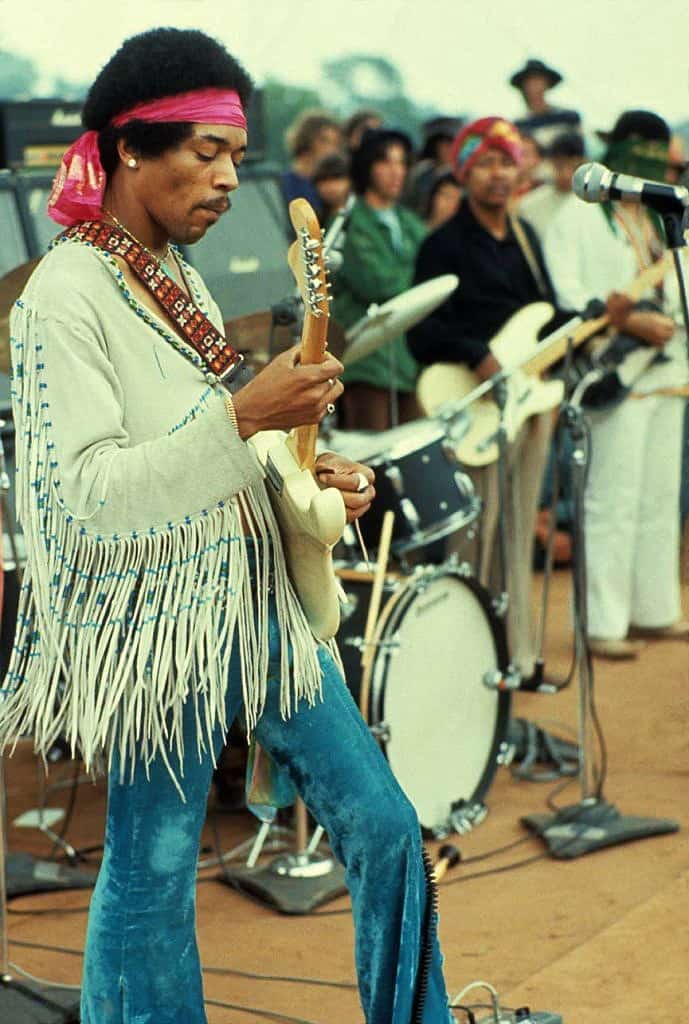
Woodstock was a four-day music and art festival held in August 1969 at Max Yasgur’s dairy farm in Bethel, New York. Officially billed as An Aquarian Exposition: 3 Days of Peace & Music, it became one of the most famous live events in American cultural history and a shorthand for the counterculture of the late 1960s.
- It took place from August 15 to 18, 1969, on a farm site rather than in a built venue.
- The event mixed rock music, audience camping, improvised infrastructure, and a large-scale outdoor gathering.
- Its cultural importance comes as much from the audience, setting, and logistics as from the performances.
- Woodstock later became a visual reference point for festival style, protest politics, and communal design.
- The name is tied to the town of Woodstock, but the festival itself was held in Bethel, New York.
What Woodstock was
Woodstock was designed as a commercial music festival, but it quickly became something larger: a mass gathering that symbolized a generation’s music, clothing, politics, and way of living together. The event drew artists from rock, folk, and soul, and the performances were staged on a temporary outdoor platform with minimal shelter, basic lighting, and makeshift sound equipment by modern standards.
The setting mattered. A working dairy farm became a temporary city of tents, mud, food stalls, fences, roads, generators, and crowds. That physical transformation helped make Woodstock memorable. It was not only heard through the music; it was seen in blankets on the ground, hand-painted signs, borrowed materials, and the improvised design of a festival built faster than its infrastructure could fully support.
Why is Woodstock so important?
Woodstock matters because it condensed a moment in American culture into one highly visible event. The festival came at the end of the 1960s, when music, antiwar protest, communal living, and youth identity were tightly linked. Its reputation grew from that timing, but also from the images it produced: crowds in rain, performers on a bare stage, and a rural landscape turned into a temporary public space.
It also became a model for later festivals. Organisers, designers, and promoters studied Woodstock’s strengths and failures: the attraction of open-air scale, the power of loose social atmosphere, and the practical problems of water, sanitation, access roads, shelter, and crowd control. That legacy still shapes how large outdoor events are planned, branded, and photographed.
What did Woodstock look like in practice?
Woodstock looked informal, crowded, and temporary. Attendees wore clothes that mixed utility with style: denim, military surplus, embroidered tops, fringe, sandals, ponchos, and handmade accessories. Rain turned the site muddy, so plastic sheeting, tarps, blankets, and whatever dry fabric people could find became part of the visual field. The festival’s look came from adaptation rather than decoration alone.
The stage and surrounds were equally improvised. Musicians performed against a landscape of scaffolding, speakers, cables, and weather-beaten equipment. Food and medical stations, sleeping areas, and barriers were assembled from simple materials under pressure. The result was not a polished design statement, but an accidental one: an event whose visual identity emerged from crowd behaviour, weather, and temporary construction.
How did the site shape the event?
Woodstock was originally planned for another location, but it ended up on Yasgur’s farm in Bethel, in Sullivan County, about 43 miles southwest of the town of Woodstock. That relocation changed the festival’s relationship to place. Instead of a controlled urban or suburban venue, the event unfolded on open agricultural land, which had to absorb traffic, housing, sanitation, and performance all at once.
The farm setting gave Woodstock its enduring image of freedom and scale, but it also exposed the limits of festival infrastructure. Roads clogged, facilities were overwhelmed, and the landscape itself became part of the story. In design terms, Woodstock shows what happens when a cultural event grows faster than its physical systems.
Frequently Asked Questions
Was Woodstock actually in Woodstock, New York?
No. The festival was associated with the town of Woodstock in name and spirit, but it was held in Bethel, New York. The confusion has lasted because the title stayed fixed even after the site changed. That mismatch has become part of the event’s mythology.
Why is Woodstock called an art festival as well as a music festival?
The full title was the Woodstock Music & Art Fair, and the organisers positioned it as a broader cultural gathering rather than a concert alone. In practice, the “art” aspect was less about gallery work and more about the festival as a total environment: stage design, posters, clothing, improvised living, and the visual culture around the performances. The event’s afterlife has been shaped as much by photography and graphic identity as by music recordings.
What made Woodstock different from later music festivals?
Woodstock became famous for the way it combined scale, chaos, and idealism on a rural site with limited infrastructure. Later festivals often borrowed its open-air format and communal image, but they usually relied on stronger ticketing, logistics, and brand control. Woodstock remains a reference point because it was both a real event and a template for how large festivals could look and feel.
Articles mentioning Woodstock