
Zac Posen is an American fashion designer known for sculptural eveningwear, precision tailoring, and a glamorous red-carpet silhouette. He built his reputation in the early 2000s by making clothes that combined old-school dressmaking with a sharp, modern sense of proportion, then expanded into costume, bridal, accessories, and industrial design collaborations.
Zac Posen on FreeYork


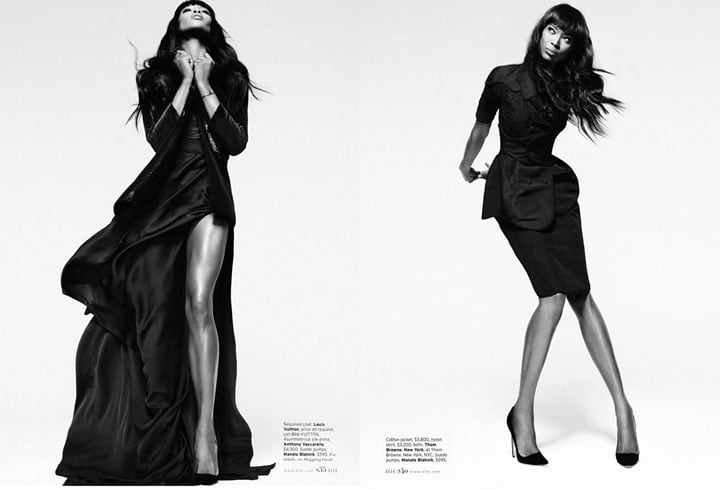
What kind of designer is Zac Posen?
Posen emerged as a designer with a strong signature: structured bodices, nipped waists, full skirts, and surfaces that catch light. His work often depends on engineering as much as decoration. Seams are placed to shape the body, layers of fabric build volume, and internal structure holds dramatic silhouettes in place without making them look stiff.
That balance made his clothes especially visible in celebrity culture. Actors, musicians, and models wore Posen gowns for premieres, galas, and magazine covers because the garments photograph clearly and project a polished, high-drama effect. His style sits between couture and ready-to-wear, borrowing the craft language of the former while reaching the audience and pace of the latter.
How did he come to prominence?
Posen became widely known in the early 2000s, a period when American fashion was looking for new voices with a luxury point of view. He trained at Central Saint Martins in London and returned to New York with a strong technical vocabulary and a taste for theatrical dressing. His early collections drew attention for their discipline: close fitting shapes, rich fabrics, and an insistence that glamour could be engineered, not improvised.
He also gained recognition because his clothes circulated outside the runway. Red-carpet dressing made his name familiar quickly, and editorials helped cement the idea of Posen as a designer of spectacle. That visibility mattered in a fashion system where a single dress can function as both product and image.
What does Zac Posen’s work look like in practice?
In practical terms, Posen’s design language uses traditional dressmaking methods to create drama. A gown may start with a corseted base, then add draped silk or cut tulle that falls in controlled folds. He often relies on internal structure, hand finishing, and careful fitting so the exterior surface appears smooth even when the silhouette is complex. The result is clothes that look elaborate but remain legible from a distance.
His work is not limited to eveningwear. Posen has taken part in collaborations that translate fashion ideas into other product categories, including accessories and industrial design projects. Those partnerships show how a designer’s visual identity can move into objects that are not clothes at all, as long as the same priorities remain: clean lines, controlled volume, and a sense of polish.
Why does Zac Posen matter in American fashion?
Posen matters because he helped keep high-drama dressmaking central to American fashion at a time when many designers were chasing minimalism or streetwear. He proved that ornament, tailoring, and formal occasion dressing still had a place in contemporary culture. His work also helped shape the visual language of early-2000s celebrity fashion, when the red carpet became one of the main stages for fashion itself.
He also stands out for treating fashion as a system of collaborations. Working with magazines, celebrities, brands, and other designers allowed his aesthetic to move across contexts. That flexibility is part of his importance: his name does not only mark a label, but a way of thinking about silhouette, presentation, and luxury as shared design problems.
Questions
Is Zac Posen mainly an eveningwear designer?
Yes, eveningwear is the part of his work that made him famous. His best-known pieces are gowns and formal looks built around structure, sheen, and a dramatic fit. He has also worked beyond evening clothes, but the core of his reputation comes from dressing formal occasions.
What makes a Zac Posen dress recognizable?
A Zac Posen dress often has a fitted upper body, a pronounced waist, and fabric that moves in sculpted folds or broad volume below. The look depends on precise tailoring and controlled drape rather than loose or casual construction. Even when the design is elaborate, the silhouette usually reads as clean and assertive.
Why does his name come up in articles about collaborations?
Posen has worked across fashion, media, and product design, so his name often appears in projects that need a strong visual signature. Collaborations let his aesthetic enter exhibitions, brand partnerships, and special commissions. That makes him relevant not only as a designer of dresses, but as a creative whose style can be translated into other forms.