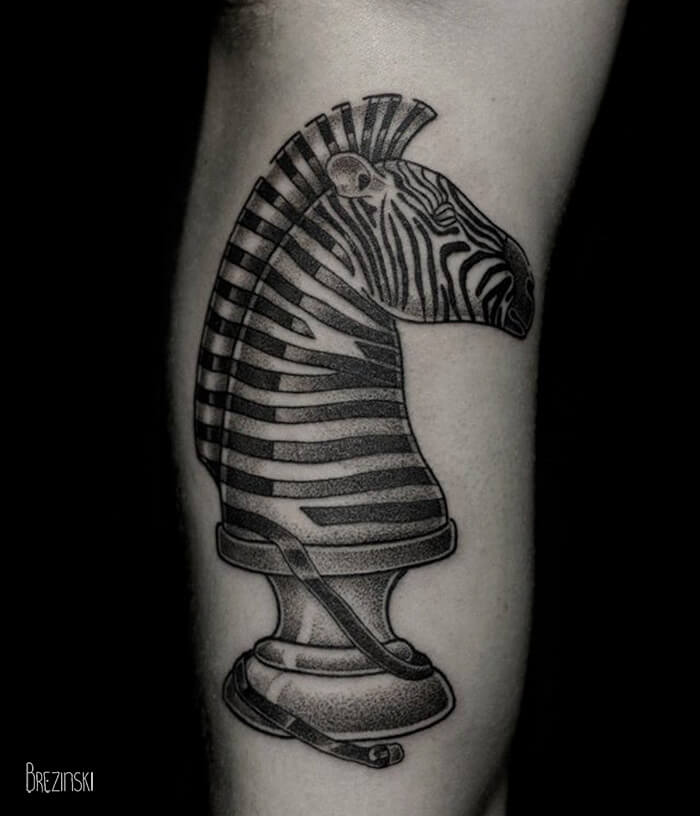
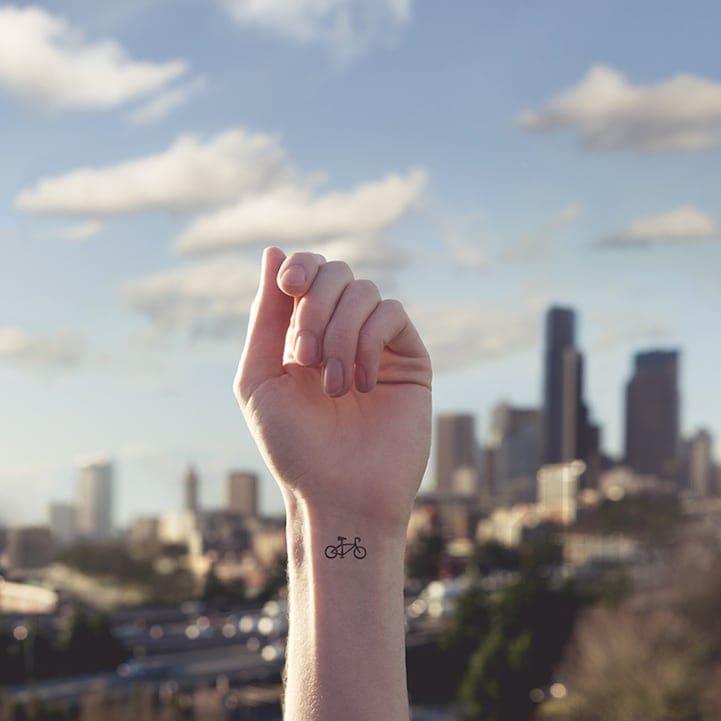
Body art is art made on, with, or as part of the human body. It includes permanent and temporary practices such as tattooing, piercing, body painting, scarification, branding, implant work, and performance pieces that use the body itself as the medium. The term covers both decorative work and more confrontational practices that test pain, endurance, identity, and social norms.
- Body art uses the body as both surface and subject.
- Its best-known forms are tattoos and piercings, but the category is much wider.
- It can be permanent, temporary, ritual, decorative, or performative.
- Modern body art overlaps with fashion, subculture, medicine, and contemporary art.
- Some body art practices are invasive and carry real physical risks.
What counts as body art?
Body art is not one technique but a broad category. A hand-poked tattoo, a painted torso for a runway show, a set of stretched piercings, and a performance in which the artist endures physical strain can all fall under the term. What joins them is the use of the body as a site of artistic action, rather than treating the body only as a subject to be depicted on canvas, paper, or screen.
In everyday use, people often mean tattoos and piercings when they say body art. In art history and curatorial writing, the term is broader and more ambiguous. It can describe decorative practices, ritual markings, subcultural body modification, and performance work that turns the body into an artwork, a tool, or a message.
Where did body art come from?
Body marking is ancient. Tattooing, scarification, piercing, and painted skin appear in many cultures across the world, often tied to status, belonging, protection, mourning, initiation, or spiritual practice. Those traditions were not invented as “art” in the modern museum sense, but they shaped the visual language that later became part of contemporary body art.
The phrase gained particular force in the 1960s and 1970s, when performance artists and experimental artists began using their own bodies to challenge ideas about authorship, beauty, gender, violence, and control. At the same time, tattooing and piercing expanded as visible urban subcultures, and body modification became a field with its own makers, tools, and aesthetics.
How is body art made?
Body art can be made with ink, needles, blades, paint, heat, metal, prosthetics, adhesives, or digital materials. Tattooing deposits pigment into the dermis with machines or hand tools. Piercing uses hollow needles and jewelry made from metals such as titanium, gold, or surgical steel. Scarification and branding alter the skin by cutting or applying heat, while subdermal implants place objects beneath the surface to change the body’s shape.
Temporary body art works differently. Body painting uses cosmetic or theatrical pigments on the skin and may be designed for photography, stage, or festivals. Newer forms include electronic skin or e-tattoos, which use conductive inks and flexible materials for sensing, decoration, or health monitoring. These works show how body art now sits near design, material science, and wearable technology.
Why does body art matter?
Body art matters because it makes identity visible and physical. It can mark grief, love, rebellion, belief, memory, or belonging. A tattoo can function as a private record and a public signal at the same time. A performance using the body can argue about vulnerability, power, or limits without using words.
It also matters because it raises questions about consent, pain, labor, and risk. The same form can be read as decoration, ritual, self-authorship, or spectacle, depending on context. In contemporary art and design, body art remains important because it forces attention onto the material facts of skin, healing, permanence, and change.
Frequently Asked Questions
Is body art the same as tattooing?
No. Tattooing is one of the best-known forms of body art, but it is only one part of the category. Body art also includes piercing, scarification, branding, implants, body painting, and performance-based work that uses the body as medium.
Is body art always permanent?
No. Some body art lasts only for hours or days, such as paint, makeup, or temporary transfers. Other forms, including tattoos, branding, and some implants, are intended to last for years or permanently.
Why do some artists use their own bodies?
Using the body gives the work immediate force. It can make ideas about pain, discipline, vulnerability, beauty, or identity impossible to separate from lived experience. In performance art, that directness is often the point.
Articles mentioning Body art