
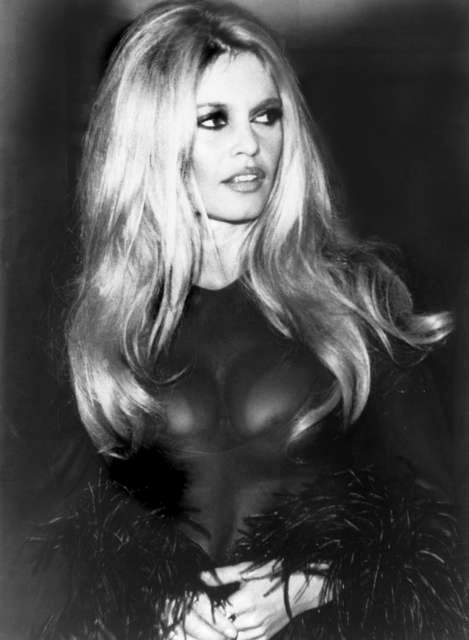
Brigitte Bardot is a French former actress, singer, model, and animal-rights activist whose image helped define postwar sex appeal and modern celebrity culture. She became famous in the 1950s and 1960s through French cinema, fashion photography, and song, then later withdrew from film and turned to animal advocacy. Her face also became part of public symbolism in France when it was used for Marianne, the national emblem of liberty.
| Born | 1934, Paris, France |
|---|---|
| Known for | Film roles, fashion modelling, singing, public image, animal-rights campaigning |
| Peak fame | 1950s and 1960s |
| Notable symbol | Marianne, the French republican emblem |
| Early training | Ballet |
Why Brigitte Bardot mattered
Bardot mattered because she made a new kind of star image visible: less polished than classical Hollywood glamour, but more relaxed, sensual, and candid. Her blonde hair, heavy eyeliner, striped shirts, bikinis, and off-duty body language became widely copied in fashion and editorial photography. Designers and image-makers still return to that Bardot look when they want a mix of innocence, provocation, and French insouciance.
Her cultural reach went beyond style. Bardot helped shape the way magazines, film posters, and advertising used the female face and body as a shorthand for freedom, youth, and desire. That visual legacy explains why her name still appears in fashion references decades after she stopped acting.
From ballet student to screen icon
Bardot trained first as a dancer, which gave her an early discipline for movement and posture that later read clearly on camera. She entered modelling as a teenager and soon moved into film, where her naturalism stood out against the more staged performance styles of the period. Directors used her ability to seem unguarded, which gave her roles a direct and contemporary feel.
Her breakthrough came with French and international films in the 1950s and 1960s, especially work that emphasised physical presence, flirtation, and a sense of refusal. The combination of film stardom, press coverage, and fashion photography made Bardot a recognisable visual type rather than only a performer. She became a reference point for how a modern woman could be pictured: loose hair, bare shoulders, and an expression that suggested control rather than passivity.
What does the Bardot image look like in practice?
In practice, the Bardot image usually means a few specific visual cues: a voluminous beehive or soft teased hair, black eyeliner, a wide neckline, a fitted knit top or gingham dress, and a pose that feels unforced. In fashion, this can appear as a boat-neck “Bardot top,” off-the-shoulder silhouettes, or styling that borrows from 1960s Saint-Tropez resort wear. The effect is not costume so much as a set of recognisable signals that suggest casual glamour.
Photographers and stylists often invoke Bardot when they want to soften an otherwise severe image. The reference can be found in beauty spreads, retro-themed collections, and campaigns that rely on a deliberately undone finish: tousled hair, matte skin, and a slightly rebellious expression. That makes Bardot less a single look than a reusable visual code.
Why does Marianne matter here?
In 1969, Bardot’s features were used as the model for Marianne, the female emblem of the French Republic. Marianne appears on stamps, coins, and civic imagery as a personification of liberty and the nation itself. Using Bardot’s face linked a living celebrity to a public symbol that had long stood for republican values.
This choice mattered because it shows how completely Bardot had entered the visual language of France. Her face was no longer just a marker of stardom; it had become a shared civic image. That unusual crossover between popular culture and national identity is one reason Bardot remains more than a former actress.
Frequently Asked Questions
Was Brigitte Bardot mainly an actress or a fashion figure?
She was both, but her importance in visual culture comes from the overlap between the two. Her film career made her famous, and fashion media amplified the image. The result was a star persona that designers and photographers could borrow even when they were not quoting a specific film.
What is the “Bardot look” in fashion?
The Bardot look usually means soft 1960s styling: loose hair, eyeliner, simple dresses, striped tops, and sometimes an off-the-shoulder neckline. It aims for sensuality without stiffness. Fashion uses the reference when it wants French casualness with a clear vintage edge.
Why is Bardot still mentioned in articles about style?
Because her image became a template for modern celebrity femininity. She influenced how magazines framed youth, sexuality, and spontaneity, and those ideas still shape editorial fashion. Her name survives as shorthand for a particular kind of relaxed, magnetic glamour.