
A beehive is an enclosed structure that a honey bee colony uses for shelter, brood rearing, and food storage. In nature, hives can form in hollow trees, cliff cavities, or other protected spaces; in human care, the word usually means a built hive that houses domesticated honey bees, especially Apis mellifera and Apis cerana.
Stories from Beehive
17 stories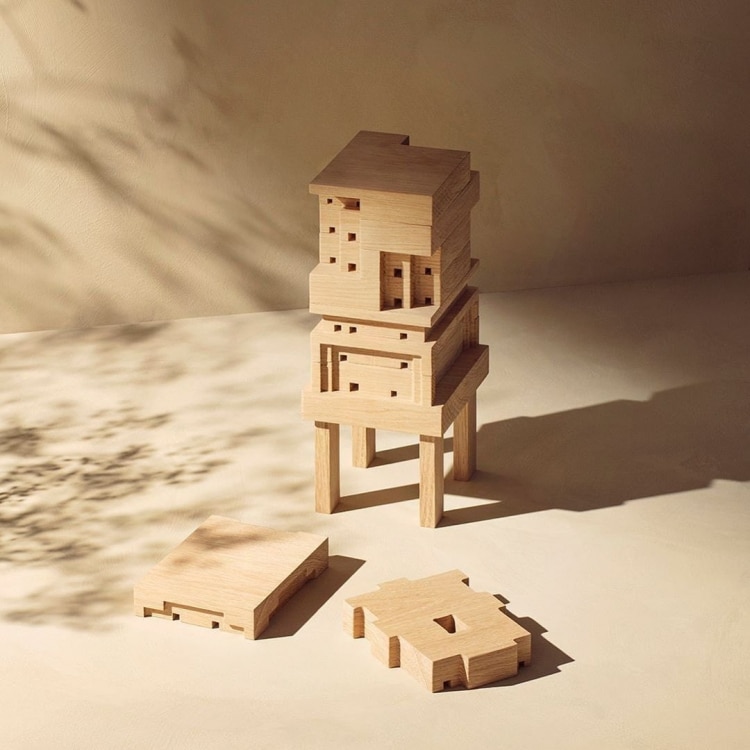


About Beehive
- Natural hives are cavities found and occupied by bees; managed hives are built from wood, plastic, or other materials.
- The hive is both a home and a production system: bees raise young, store honey, and control temperature and humidity inside it.
- Hive design affects inspection, honey harvest, bee health, and the spread of disease.
- “Hive” can also describe forms in design and art that borrow the beehive’s layered, cellular, or protective structure.
Read the full overviewWhat a beehive does, From wild cavity to managed box, What does a beehive look like in practice?, Why beehives matter to design and culture
What a beehive does
A beehive supports the social life of a bee colony. Inside, worker bees build wax comb, feed larvae, ventilate the cavity, and store nectar, pollen, and honey. The queen lays eggs in brood cells, while drones and workers move through a tightly organized interior that changes with the season and the colony’s size.
That internal order matters because a hive is not just a container. It is a living environment that bees actively modify. Bees seal gaps with propolis, regulate airflow by fanning their wings, and maintain a stable brood temperature. A good hive gives them volume, cover, and a dry place to work.
From wild cavity to managed box
Human beekeeping began with the collection of wild colonies and later moved toward fixed, managed hives. Early systems included woven skeps, clay cylinders, and log hives. Modern apiculture usually relies on framed boxes that let keepers remove combs, inspect brood, and harvest honey without destroying the nest.
The move to framed hives changed the craft of beekeeping. It made colony management more precise and supported larger-scale honey production. It also made the hive a designed object: lumber dimensions, entrance size, stacking depth, ventilation, and modularity all influence how bees occupy the box and how easily the keeper can work with it.
What does a beehive look like in practice?
In the field, a managed hive often appears as a stack of rectangular boxes with a small entrance near the base. Inside, frames hang in rows. Bees draw wax comb onto those frames, filling the upper portions with honey and the lower areas with brood. A beekeeper lifts frames to check for queen activity, disease, swarm cells, or stored nectar.
Designers and artists often quote the hive’s logic rather than copy its exact form. A “hive” can mean a faceted shell, a cluster of cells, a vertical stack, or a protective envelope. In architecture and product design, the term usually signals density, modular growth, or collective organization. The reference comes from the bees, but the visual language has spread far beyond apiculture.
Why beehives matter to design and culture
Beehives sit at the intersection of material culture and ecology. They turn woodwork, straw, ceramic, or molded polymer into a working habitat for insects that pollinate crops and shape landscapes. In food production, a healthy hive supports honey, wax, propolis, and pollination services. In design, it offers a compact example of how structure, climate control, and labor can be integrated into one system.
That is why the hive keeps returning in contemporary projects. Some makers use honeycomb geometry for lightweight strength. Others borrow the hive as a metaphor for collective labor or self-organization. The beehive remains useful because it is both ordinary and exact: a small enclosure whose internal arrangement has consequences for survival, productivity, and form.
Frequently Asked Questions
Is a hive the same thing as a beehive?
In common use, yes. “Hive” is the shorter term, while “beehive” is more explicit and often used when the writer wants to distinguish a honey bee home from another kind of hive-like form. In apiculture, both usually mean the managed structure that houses a colony.
Do bees build their own hives?
They build the comb inside a cavity, but the cavity itself may be natural or human-made. Wild colonies choose hollow trees or other sheltered spaces, while managed colonies live in boxes built by beekeepers. The bee colony then shapes the interior with wax and propolis.
Why do designers keep using hive imagery?
The hive offers a clear model of compact structure, modular growth, and shared work. Its cells, stacks, and protective shell translate easily into architecture, product design, and installation art. The form also carries a strong ecological meaning because it points back to pollination, material labor, and living systems.