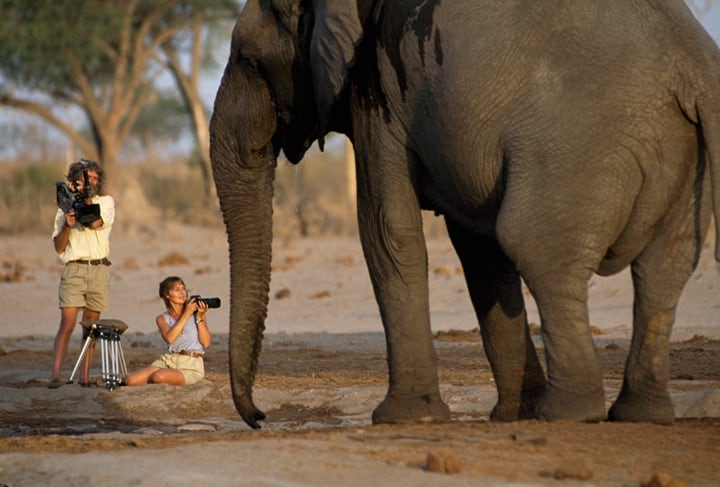
National Geographic’s latest documentary series, Africa: Earth’s Wild Home, embarks on an extraordinary journey capturing the continent’s untouched wonders. The seven-part series marks an ambitious start to a new natural history franchise and is part of the esteemed wildlife documentation collection.
National Geographic Wildlife Series: Unprecedented Cinematic Innovations
With cutting-edge technology, the series achieves remarkable feats. Showrunner Gavin Boyland orchestrated expansive filming efforts, utilizing diverse equipment from drones to macro lenses. “The aim was always to feel immersed in the animals’ world,” Boyland shares, emphasizing its significance within the documentary lineup.
For another compelling visual narrative, explore how Afzal Khan captures hidden narratives in the quiet corners of Kathmandu, showcasing life with an intimate lens.

The use of macro lenses allowed intimate insect encounters, while night-vision cameras filmed groundbreaking scenes like dwarf crocodiles hunting bats inside caves. Human presence was minimally captured in a “Tom and Jerry” style—often shown from the waist down—to maintain focus on the animals’ realms.

Stories of Survival and Conservation in the National Geographic Wildlife Series
One poignant narrative depicts sea turtles’ perilous journey to the ocean, culminating in a rescue mission only when absolutely necessary. “We filmed two possible endings, highlighting the delicate balance of intervention,” Boyland reflects.

The series underscores the role of grassroots conservation efforts across Africa, showcasing remarkable footage of local communities and wildlife alliances. This aspect is a crucial element of the nature documentary collection.

World’s First Captures
Africa: Earth’s Wild Home masterfully presents six world-first sightings, from the littlest crocodile’s dark cave hunts, to the beetle in Namibia that creates its water supply through sand trenches—a testament to nature’s persistent mysteries. It exemplifies the wildlife series commitment to showcasing unique wildlife documentary experiences.
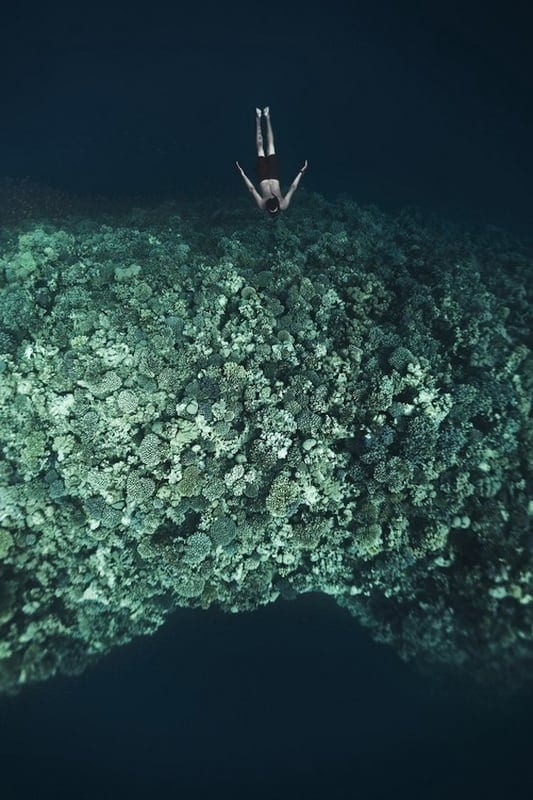
Additionally, discover stunning marine photographs that capture the ocean’s majesty, revealing both beauty and environmental challenges.

Boyland exclaims, “The idea that beetles might predict mist, unbeknownst to humans, reveals how much is yet to be understood.”

Courageous Filmmaking
In Gabon, drones trailed an elephant navigating the dangerous Congu Falls, a risky move that delivered mesmerizing footage. This boldness embodies the series’ spirit of exploration, a hallmark of the wildlife exploration catalog.


Premiere Dates
The series premieres October 2 on National Geographic. Over 100 expeditions spanned 33 countries, demanding over 300 days of relentless documentation within this captivating nature series.

“Nature writes the script,” Boyland notes, underscoring the unpredictability that makes each episode captivating, as is typical with any wildlife documentary series.


Source: petapixel.com
Frequently asked questions
What technology was used in Africa: Earth’s Wild Home?
National Geographic’s series used cutting-edge technology including drones and macro lenses to achieve remarkable filming feats.
How did the series depict human presence?
Human presence was captured minimally and in a ‘Tom and Jerry’ style—often shown from the waist down to maintain focus on the animals’ realms.
How many countries were included in the filming of Africa: Earth’s Wild Home?
The filming of Africa: Earth’s Wild Home spanned 33 countries during over 100 expeditions.
More in
Nature
All Nature


More in
Animals
All Animals