Alexander McQueen was a British fashion designer and couturier known for sharply tailored clothing, theatrical runway presentations, and collections that joined violence, beauty, and fragility. He built a reputation first through Savile Row tailoring and then through a label that pushed fashion into the territory of performance, sculpture, and emotional narrative. His work mattered because it showed that cutting and construction could carry as much meaning as print, colour, or silhouette.
- Born Lee Alexander McQueen in London in 1969; died in 2010.
- Trained in bespoke tailoring before becoming known for avant-garde fashion.
- Worked as chief designer at Givenchy from 1996 to 2001.
- Founded the Alexander McQueen label, which became known for dramatic tailoring and show staging.
- His legacy spans fashion, costume, photography, and contemporary visual culture.
How did Alexander McQueen become so influential?
McQueen came up through the disciplined world of tailoring rather than through illustration or trend forecasting. He learned pattern cutting and garment construction on Savile Row, where precision matters and a jacket lives or dies by its internal shape. That background gave his later work a structural rigour that set it apart from fashion that relied mainly on surface effect.
His influence grew because he treated clothes as carriers of ideas. A collection could reference court dress, Scottish history, surgery, taxidermy, industrial grime, or romantic ruin, yet still be built from exacting wool suiting, silk, leather, lace, or metal hardware. Editors, photographers, and stylists responded to that mix of craftsmanship and provocation because it gave them images that felt more like scenes from a film than standard fashion presentation.
What did his clothes look like in practice?
McQueen’s tailoring often used narrow waists, sharp shoulders, strong hips, and a close cut through the body. Jackets could appear severe from the front and then reveal unexpected seams, exposed lining, corsetry, or undone finishes. He liked contrast: hard with soft, body-concealing with body-revealing, aristocratic with damaged, and luxurious fabrics with distressed surfaces.
His collections also relied on material drama. He used tartan, black wool, feathers, organza, leather, embroidery, and elaborate embellishment, often in the same look. The effect was rarely decorative for its own sake. A gown might look fragile while being engineered with hidden structure; a suit might appear classic while carrying asymmetry, slashing, or distortion that unsettled the form.
Why were the runway shows so important?
McQueen turned runway shows into staged events with strong narrative and visual design. Models walked through sets that could suggest water, fire, fog, mirrors, cages, or ruined interiors, and the lighting, sound, and pacing were part of the work. The clothing mattered, but the presentation shaped how the clothing was read, making each show feel like an authored event rather than a trade presentation.
That approach changed expectations for fashion marketing and editorial coverage. A McQueen show created images that moved quickly through magazines, advertising, and digital media because it offered a complete visual world. His presentations became a model for how fashion could operate as performance art while still selling garments and reinforcing a brand identity.
What role did tailoring and craft play?
Craft was central to McQueen’s reputation. The best-known pieces depend on cut, fit, and internal structure as much as on exterior decoration. Bespoke techniques, corsetry, layered underpinnings, and careful drape allowed him to build garments that looked unstable while remaining technically exact.
This technical base matters because it separates McQueen from designers who only borrowed dark imagery. His work often looked aggressive or romantic, but the effect came from control. Seams, boning, hand-finishing, embroidery, and precise tailoring gave the collections their tension, and that tension is part of why they continue to be studied by fashion designers and costume makers.
How is Alexander McQueen remembered?
McQueen is remembered as a designer who expanded what luxury fashion could communicate. He proved that a couture-trained approach could produce clothing that was emotionally charged, intellectually referential, and commercially powerful. His name still carries associations with black tailoring, sculptural gowns, sharp shoulders, and runway shows that aim for shock without losing craft.
After his death in 2010, the label continued under other creative directors, but the central image of McQueen remains tied to his own authorship. Fashion historians often place him among the most important designers of the late twentieth and early twenty-first centuries because he fused technical discipline with an unusually clear visual imagination. For photographers, stylists, and editors, his clothes remain useful because they photograph with force and read instantly on the page.
Frequently Asked Questions
Was Alexander McQueen a couture designer?
He was not a Parisian maison couturier in the traditional sense for most of his career, but he was trained in bespoke tailoring and worked at a couture house. His approach borrowed from couture methods: handwork, structure, fit, and garments made to produce a specific visual effect. The label’s work often carried couture-level finish even when it was presented through ready-to-wear collections.
What made his fashion shows different from other designers’ shows?
His shows were built like performances with a strong mood, setting, and dramatic arc. Instead of a neutral catwalk, he often used set design, sound, and choreography to create an environment that changed the meaning of the clothes. That made the show itself part of the work, not just a delivery system for garments.
Why do photographers and magazines still use McQueen references?
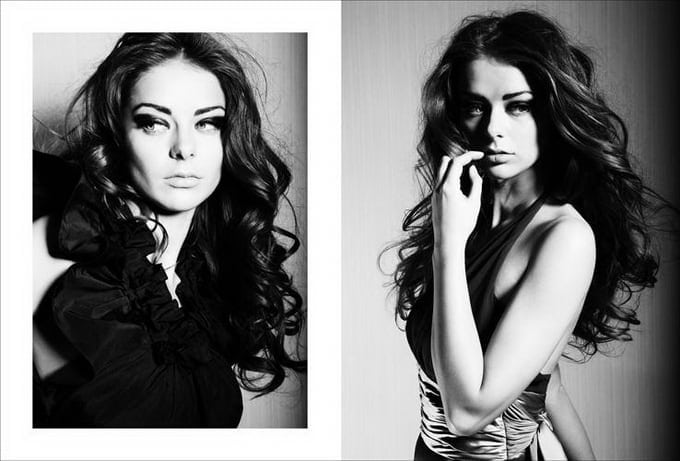
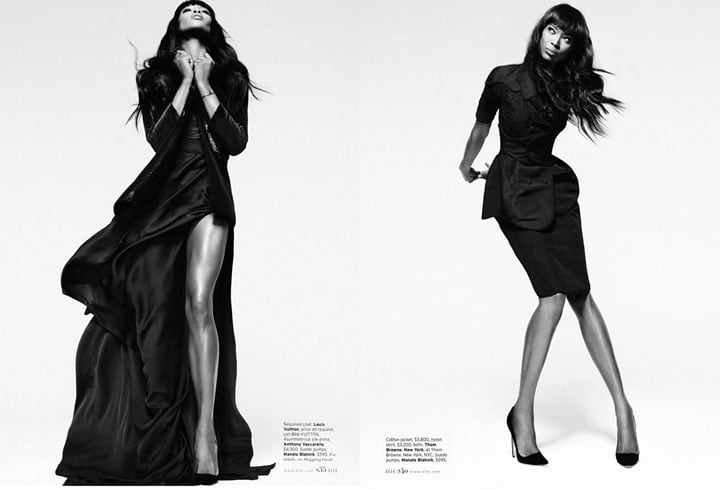
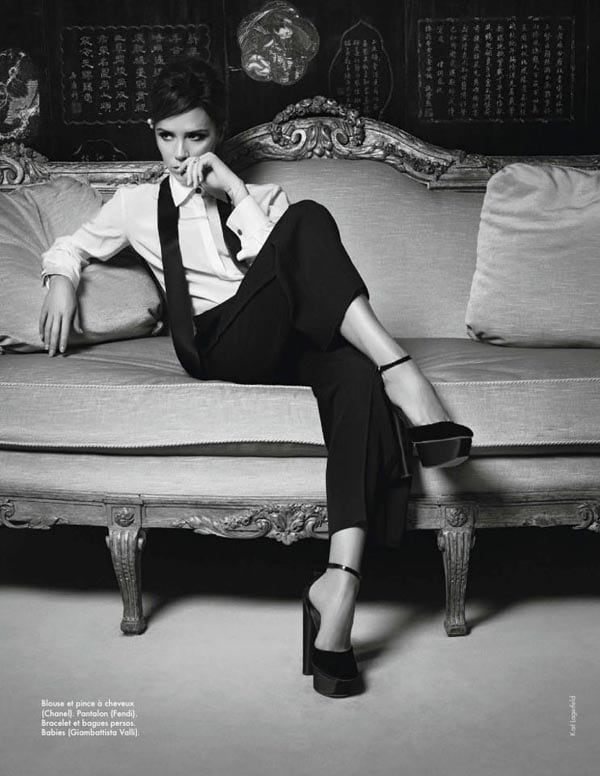
McQueen garments create strong silhouettes and clear emotional cues, which translate well in editorial photography. His clothes can suggest power, danger, romance, or decay in a single frame, giving photographers and stylists a ready-made visual language. That is why his name appears so often in magazine shoots and fashion editorials, especially when the image needs intensity.
Articles mentioning Alexander McQueen