Boeing is an American aerospace and defense company best known for designing and building commercial airliners, military aircraft, satellites, spacecraft, and related systems. Founded in 1916 by William E. Boeing in Seattle, Washington, it grew from a small aircraft manufacturer into one of the world’s largest aviation companies, later absorbing McDonnell Douglas in 1997 and shifting its corporate headquarters to Chicago in 2001.
| Founded | 1916 |
|---|---|
| Founder | William E. Boeing |
| Headquarters | Chicago, Illinois, United States |
| Origin | Seattle, Washington |
| Sector | Aerospace and defense |
| Known for | Commercial jets, military aircraft, spacecraft, and aviation systems |
How Boeing began
Boeing started at the moment aircraft were still experimental machines, built by small teams and tested in a culture of improvisation. William E. Boeing, a timber businessman with a strong interest in flight, founded the company in Seattle and began with seaplanes, a practical choice for the Pacific Northwest’s waterways and shipyards. Early Boeing aircraft were made from wood, fabric, wire bracing, and later metal structures as aviation moved from fragile, hand-built machines to engineered transport systems.
That early shift mattered. Boeing did not just make airplanes; it helped define the industrial scale of aircraft production. Its factories, supply chains, and engineering methods turned flight into something that could be mass-produced, maintained, and sold to airlines, governments, and the military. The company’s history tracks the broader history of twentieth-century aviation: speed, range, safety, and size steadily increased as materials and manufacturing methods improved.
What does Boeing make?
Boeing’s most visible products are commercial airliners such as the 737, 747, 767, 777, and 787. These aircraft are built from aluminum alloys, titanium, composites, and advanced avionics, with interiors shaped by airline cabin layouts, emergency systems, and passenger service hardware. The company also makes military aircraft, helicopters, missiles, satellite systems, and spacecraft components, which means its work spans both civilian travel and defense infrastructure.
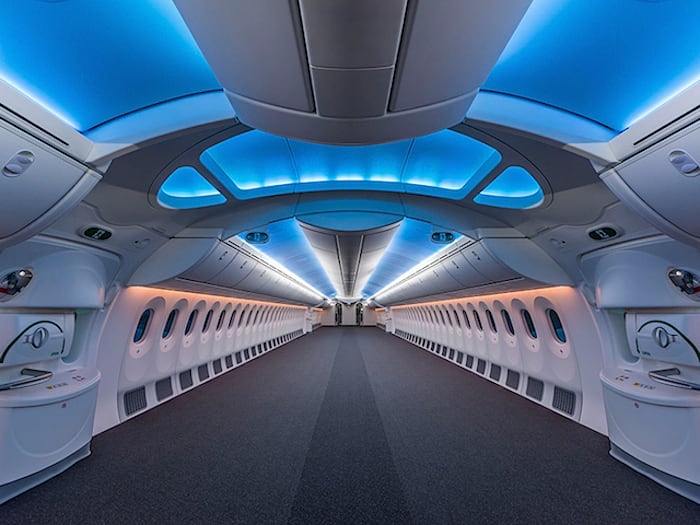
In practice, Boeing is not just an airplane brand but a producer of platforms. A jetliner leaves the factory as a highly engineered shell of fuselage sections, wings, engines, wiring, cabin modules, and flight-control systems. After delivery, it often changes repeatedly through refurbishment, conversion, and customization. A retired Boeing 727 can become a home; a Boeing 787 can be stripped and refitted as a VIP living space. Those afterlives show how deeply Boeing aircraft are built into the material culture of travel and reuse.
Why does Boeing matter in visual and material culture?
Boeing matters because its products are among the most recognizable manufactured objects in the modern world. The silhouette of a 747, with its upper-deck hump and long swept wings, became shorthand for global mobility. The company’s aircraft also shaped the look of airports, cabin interiors, safety graphics, maintenance facilities, and even the language of luxury travel. Boeing’s designs are visible not only in flight, but also in the objects and spaces that orbit aviation.
The company is also important because it sits at the meeting point of design, engineering, and industrial power. Aircraft production depends on precision machining, composite layup, riveting, automated assembly, testing, and certification. Every visible surface reflects invisible systems: pressure cabins, fuel routing, landing gear, electrical networks, and control software. For designers and makers, Boeing is a case study in how an object can be both a branded icon and a deeply technical structure.
How has Boeing changed over time?
Boeing’s history includes expansion, consolidation, and repeated reinvention. The 1997 merger with McDonnell Douglas brought together major American aerospace legacies, while the 2001 move of corporate headquarters from Seattle to Chicago marked a shift away from the company’s birthplace. Over time, Boeing’s business came to reflect the pressures of global aviation: competition, regulation, fuel economy, and the demand for lighter, quieter, more efficient aircraft.
Its modern aircraft increasingly rely on composite materials, digital design tools, and complex supply chains spread across many countries. That change altered how airplanes are built and who builds them. Where early aircraft could be understood as physical craft assembled in one place, later Boeing products are the result of distributed manufacturing, software integration, and large-scale systems management.
Frequently Asked Questions
Is Boeing only an airplane company?
No. Commercial jets are the most familiar part of Boeing’s business, but the company also works in defense, space, and aerospace systems. It builds military aircraft and supports satellite and spacecraft programs as well. That broader scope is why Boeing is often described as an aerospace and defense corporation rather than simply an aircraft maker.
Why do Boeing aircraft appear in design and architecture articles?
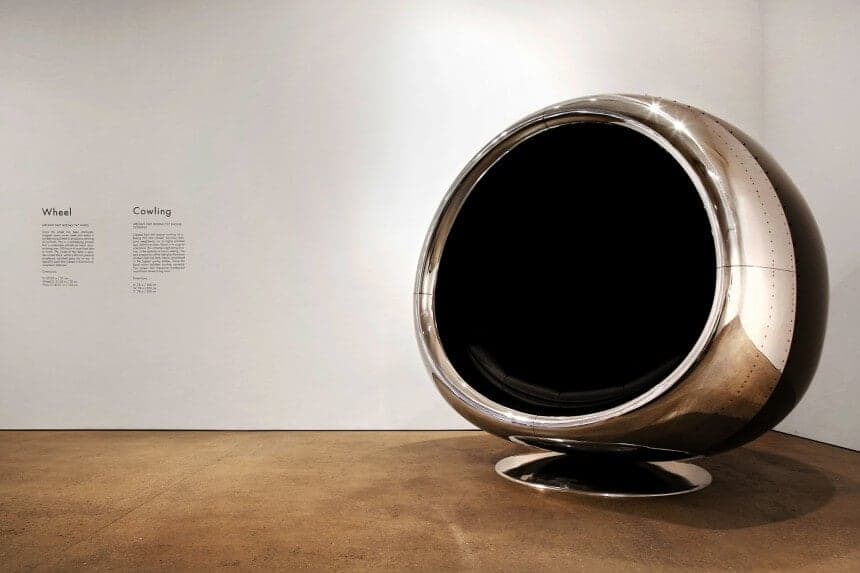
Boeing aircraft often get reused, displayed, or converted in ways that interest designers and makers. A retired jet can become a house, a lounge, a restaurant feature, or a private interior project, with original structure and fittings repurposed rather than discarded. Those projects turn industrial objects into spaces, which makes Boeing relevant to discussions of reuse, adaptation, and material imagination.
What distinguishes Boeing from other aircraft manufacturers?
Boeing is distinguished by its scale, its role in the development of modern air travel, and the long cultural life of its aircraft models. The company’s jets became standard references for commercial aviation, and some of them, especially the 747, became icons far beyond the airport. Its influence comes from both engineering output and the visual identity attached to its products.
At a glance
- Founded
- July 15, 1916
- Address
- Seattle, United States
Articles mentioning Boeing