Constance Jablonski is a French fashion model known for runway work, editorial shoots, and beauty campaigns. Born in Lille in 1990, she moved into international modelling after entering the French Elite Model Look contest in 2006, then gained wider visibility as one of Estée Lauder’s newer faces alongside Liu Wen and Joan Smalls.
- French model born in Lille on 29 October 1990
- Entered the French Elite Model Look contest in 2006
- Became a recognizable editorial and runway face in the late 2000s and early 2010s
- Appeared in major beauty advertising, including Estée Lauder
How did Constance Jablonski enter fashion?
Jablonski’s route into modelling followed a familiar French scouting-and-competition path rather than a slow climb through local print work. The Elite Model Look contest has long functioned as a recruitment system for high-fashion agencies, and entering it in 2006 placed her in a pipeline designed to identify tall, photogenic teenagers with runway potential. That kind of start matters because it often shapes the first years of a model’s career: agency placement, test shoots, and early editorial bookings build momentum before a client list solidifies.
Her early career also reflects how fashion modelling operates as a technical profession. A model is judged not only on face and body measurements but on movement, balance, camera presence, and the ability to hold a garment’s line. Jablonski’s rise suggests she fit the demands of both editorial and commercial fashion, moving between the sharp stylization of magazine work and the cleaner, more widely distributed image-making of beauty campaigns.
Why did Estée Lauder matter in her career?
Becoming one of Estée Lauder’s newer faces marked a shift from promising model to broadly recognized industry figure. Estée Lauder campaigns carry unusual weight because they circulate across department stores, magazines, billboards, and global advertising; they can turn a model into a familiar face beyond the runway circuit. In that sense, the campaign was not just another booking but a signal that Jablonski had the look of a contemporary beauty ideal.
The pairing with Liu Wen and Joan Smalls also matters. Together they represented a more diverse and international image of beauty in a market that had long favored a narrower type. Jablonski’s presence in that group placed her inside a visible change in fashion advertising, where luxury beauty brands increasingly used models to project modernity, access, and global reach.
What does her work look like in practice?
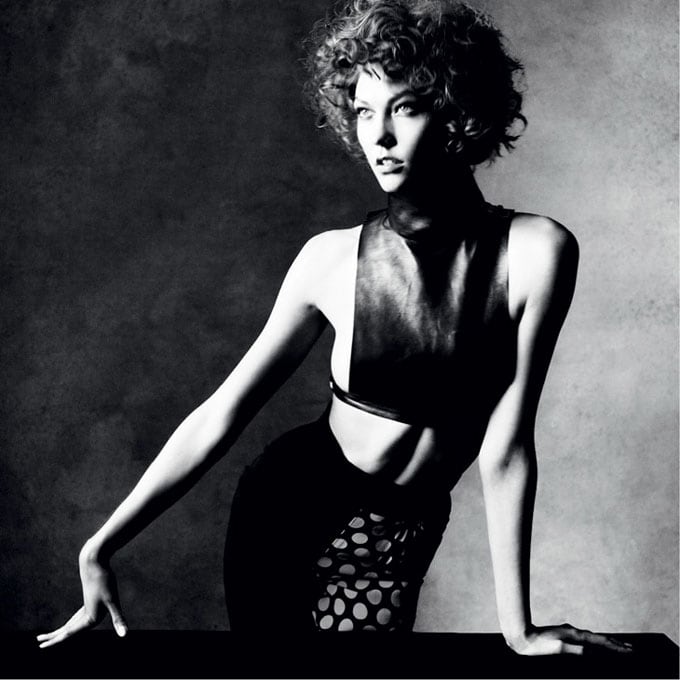
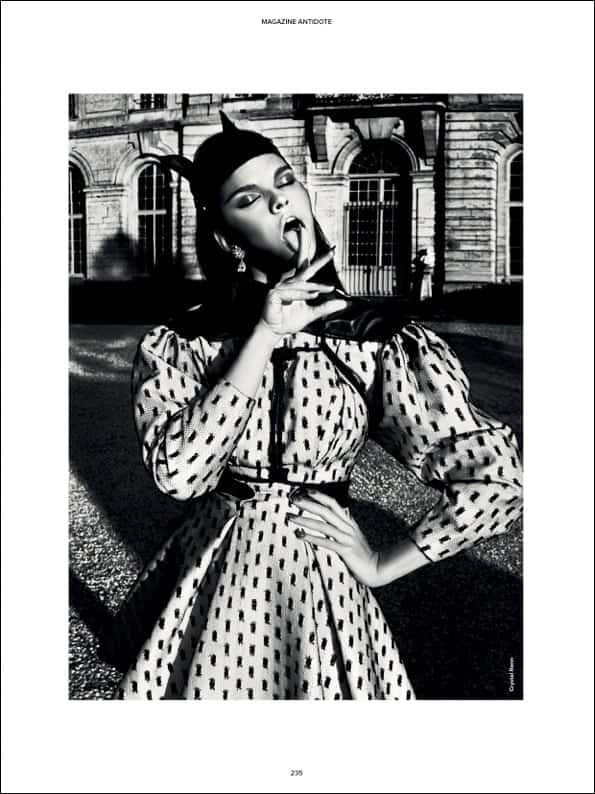
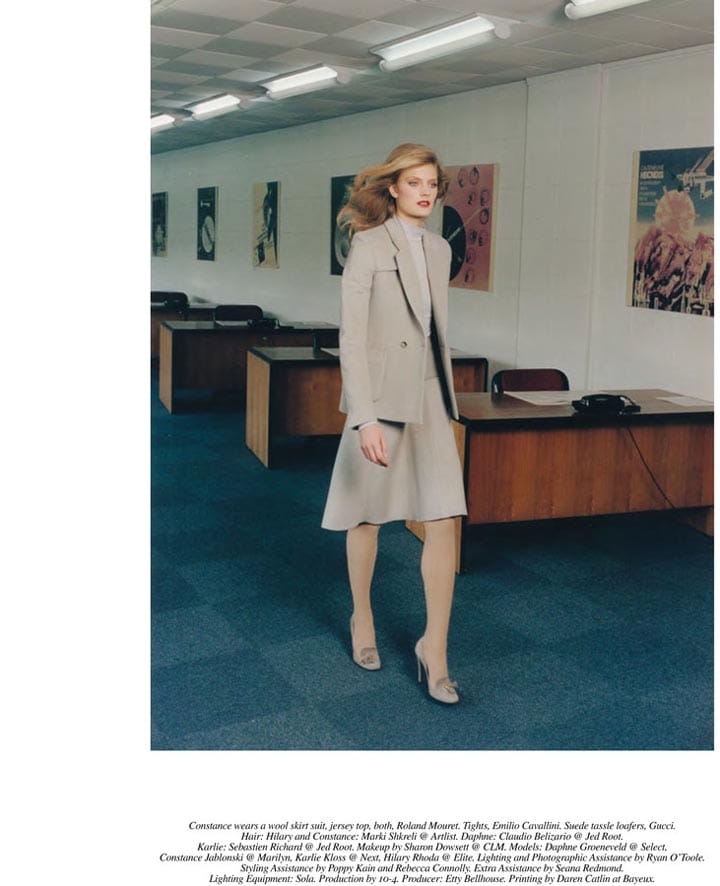
In practice, Jablonski’s work sits at the intersection of editorial styling, runway discipline, and polished beauty imagery. Editorials such as those in Antidote and Self Service tend to emphasize pose, expression, and the relationship between clothing and setting. A model in that context must produce distinct moods quickly: coolness, intimacy, detachment, or force, often within a tightly planned visual concept.
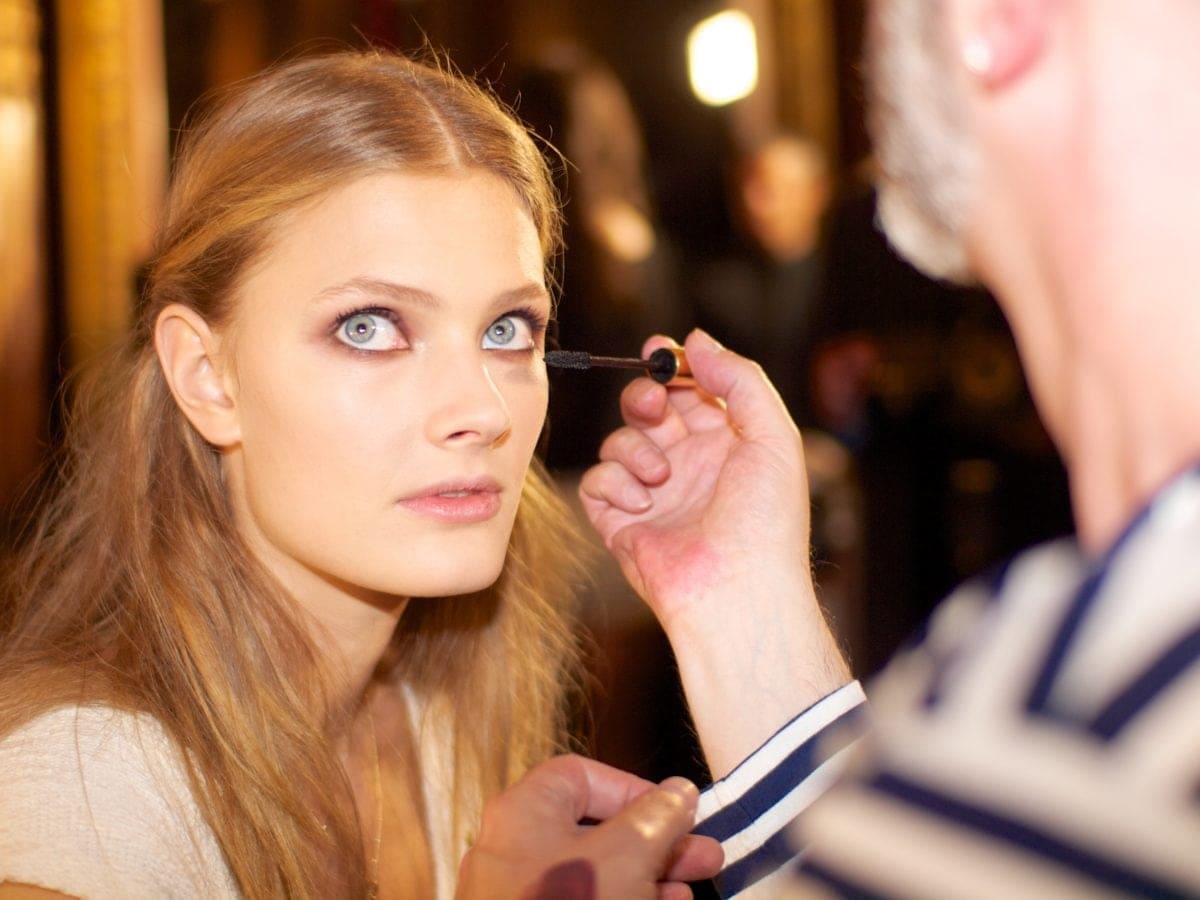
Her presence in magazine stories also shows how fashion images are built from a chain of makers. Stylists, photographers, hair and makeup artists, and art directors all shape the final result, but the model still has to translate the clothes and concept into a coherent image. Jablonski’s career is a good example of a model whose value lies in versatility: she can carry a luxury beauty ad, then switch into the sharper, more experimental language of fashion editorial.
Why does she matter in fashion culture?
Jablonski matters because she belongs to a generation of models who helped define the look of late-2000s and early-2010s fashion photography. That period favored a blend of polish and spontaneity, with models expected to appear both aspirational and slightly unreadable. Her work in editorials and campaigns contributed to the visual vocabulary of the time: slim silhouettes, restrained expression, and highly controlled styling.
She also illustrates how a model’s career can be read through publication history. Being tagged in shoots for Antidote or Self Service places her inside a network of art directors, photographers, and magazine platforms that shape taste. Models are often treated as interchangeable, but repeated bookings in specific titles reveal who photographers and editors trust to give a concept clarity, tension, or attitude.
Frequently Asked Questions
Is Constance Jablonski mainly a runway model or a print model?
She has worked in both areas, which is typical for major fashion models. Runway work establishes a model’s movement and fit for clothing, while print and beauty campaigns give her a more durable public image. Jablonski’s profile suggests she was effective in both settings.
What made her different from other models of her generation?
Her career combined high-fashion editorial credibility with beauty advertising visibility. That combination can be more influential than either type of work alone because it reaches both industry insiders and a wider consumer audience. Her place at Estée Lauder helped fix her image in the public eye.
Why do magazines like Antidote and Self Service matter in a model’s career?
These magazines often produce highly styled, visually ambitious fashion stories that help define a model’s editorial identity. They give photographers and stylists room to build a specific mood, and the model has to carry that mood with precision. Strong editorial work can change how the industry sees a model’s range.
Articles mentioning Constance Jablonski