
Emma Stone is an American actor known for combining comic timing, naturalistic delivery, and a strong presence in studio films and prestige projects. Born Emily Jean Stone in 1988, she began on television and in teen comedies before becoming one of the most visible film actors of her generation. Her career matters not only because of her box-office reach, but because magazine editors and photographers have repeatedly used her as a face for fashion, youth, and a polished but approachable kind of celebrity.
Stories from Emma Stone
2 stories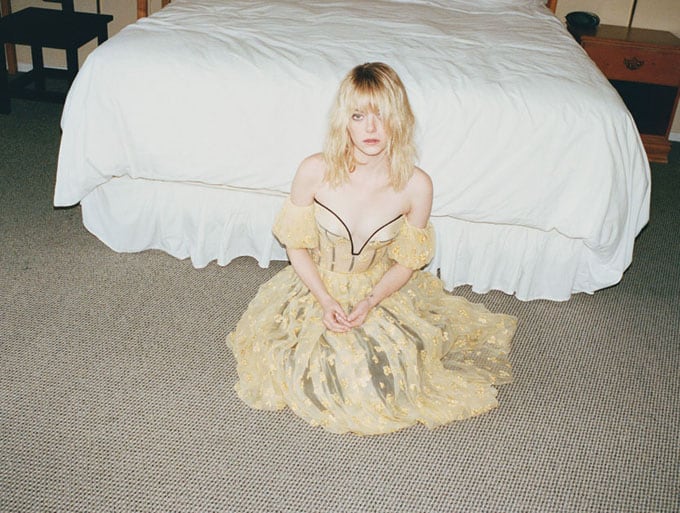
About Emma Stone
- Born: November 6, 1988, in Scottsdale, Arizona, United States
- Known for: Film acting, especially comedy, drama, and musical performance
- Breakthrough period: Late 2000s, with roles in Superbad, The House Bunny, and Zombieland
- Public image: Wry, expressive, and camera-friendly, with frequent magazine cover appearances
- Why she matters: A major contemporary star who helps define how Hollywood talent is styled and photographed in print media
Read the full overviewHow did Emma Stone become famous?, What kinds of roles define her work?, Why does Emma Stone appear so often in fashion media?, What does her public image look like in practice?
How did Emma Stone become famous?
Stone first drew attention in television and supporting film roles, then gained wider recognition through a run of sharp, mainstream comedies. Superbad gave her an immediate screen identity: quick, grounded, and less polished than many teen-film leads. That was followed by The House Bunny, Ghosts of Girlfriends Past, Zombieland, and Paper Man, which established her as a performer who could carry both irony and sincerity.
Her early career mattered because it gave her a look and rhythm that photographers could read instantly. She often appears as alert rather than posed, with a direct gaze and a relaxed body line that suits fashion magazines as well as film promotion. That visual flexibility helped make her a recurring cover subject.
What kinds of roles define her work?
Stone’s work spans studio comedy, romantic drama, period film, and musical performance. She is often cast in roles that depend on verbal precision and a clear emotional shift, where a scene can move from light sarcasm to vulnerability without losing control. That ability made her useful to directors who want energy that feels contemporary rather than theatrical.
She later expanded into higher-profile dramatic work, which changed the way critics and image-makers treated her. Once an actor becomes associated with awards-friendly films, magazine styling often shifts too: hair, makeup, and clothing are used to signal seriousness, glamour, or authority. Stone’s cover appearances reflect that shift, moving from fresh-faced youth branding toward a more tailored, editorial mode.
Why does Emma Stone appear so often in fashion media?
Fashion magazines use actors not only for fame, but for the way their faces hold attention in still images. Stone photographs well because her expressions register clearly: a raised eyebrow, a half-smile, or a fixed stare can carry an entire cover. She also fits a common editorial brief: modern, accessible, and recognisable without looking remote.
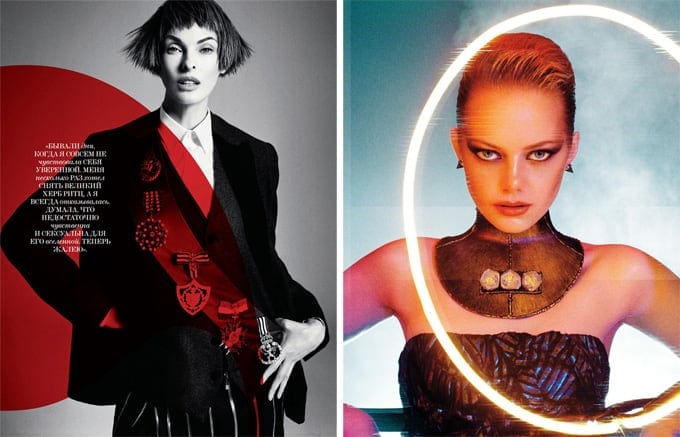
Her covers for magazines such as W and Interview show how entertainment culture and fashion publishing overlap. The styling usually balances sharp tailoring, strong makeup, and carefully directed hair against a performance that still reads as conversational. In print, that combination creates the sense of a star who is both constructed and easy to believe.
What does her public image look like in practice?
Stone’s public image has been built through repetition: film stills, red carpet appearances, editorial photography, and press tours. She is often presented with a clean silhouette, controlled styling, and a face that remains expressive even under heavy art direction. That makes her valuable to photographers working with lighting, fabric texture, and posture rather than overt spectacle.
In practical terms, this means she can sit inside different visual systems without breaking them. A glossy magazine can place her in high fashion and she still reads as witty and human; a film campaign can frame her as glamorous without losing approachability. That adaptability is a large part of her lasting visibility.
Frequently Asked Questions
Is Emma Stone mainly known as a film actor or a fashion figure?
She is primarily a film actor, but fashion media has played a major role in how the public sees her. Her cover work, editorial shoots, and red carpet appearances have reinforced her fame and shaped her image. For publications, she is useful because she can carry both performance and polish.
What made her early roles important?
Her early roles established a tone that mixed comedy with emotional clarity. Films like Superbad and Zombieland gave her broad visibility and proved that she could hold attention in ensemble casts. That early identity still influences how she is styled and cast.
Why do magazines keep choosing her for covers?
Editors and photographers value faces that read clearly at a glance, and Stone has that quality. She projects intelligence, wit, and ease, which can be translated into many different visual styles. That makes her adaptable across fashion, entertainment, and prestige publishing.