Interview is an American magazine founded by Andy Warhol in late 1969 that built its identity around long, loosely edited conversations with celebrities, artists, musicians, and other public figures. Its pages mix pop culture, fashion, art, and publicity, often with a deliberately candid or offhand tone that reflects Warhol’s interest in fame, performance, and surface.
- Founded in 1969 by Andy Warhol in New York
- Known for conversational interviews rather than standard reporting
- Strongly tied to pop art, fashion imagery, and celebrity culture
- Often presents subjects through direct speech, with minimal editorial smoothing
- Frequently used as a fashion and portrait platform by photographers and stylists
What makes Interview different?
Interview does not read like a conventional news magazine. Its core format is conversation, and the conversations are often allowed to stay strange, circuitous, and self-mythologizing. That structure suits a publication built around personalities rather than policy: the value lies in voice, attitude, and the shifting relationship between interviewer and subject.
Warhol treated the magazine as an extension of his wider practice. He was interested in repetition, image-making, and the social life of celebrity, and the magazine turned those interests into a publishing format. As a result, Interview became both a record of cultural fashion and a tool for producing it.
Where did it come from?
The magazine began in late 1969 in New York, during a period when art, underground cinema, music, and fashion were overlapping more visibly than before. Warhol and the circle around him used the magazine to stage encounters between artists and stars, often treating the conversation itself as performance. The title suggests a simple journalistic form, but the execution was more experimental than that name implies.
The magazine’s visual language grew out of Warhol’s wider world: glossy portraiture, bold graphics, and an emphasis on glamour without polishing away awkwardness. Over time, that mix made Interview an important bridge between the art press and the fashion magazine. It remains especially associated with New York’s celebrity ecosystem.
How are the interviews made?
The defining feature of Interview is its handling of dialogue. Questions may be sparse, unexpected, or intentionally sideways, and answers often keep their raw rhythms. Instead of forcing a neat narrative, the magazine lets language expose vanity, wit, boredom, or self-consciousness.
That approach changed how a celebrity interview could look on the page. Rather than aiming only for information, Interview uses conversation as a portrait medium. The words, the layout, and the accompanying photography all contribute to a single impression of the subject as both person and constructed image.
Why does it matter in fashion and visual culture?
Interview matters because it helped make celebrity editorial culture look and feel modern. Fashion magazines have long used portraiture to sell clothes and attitudes, but Interview gave equal weight to personality, rumor, and art-world cachet. That made it useful to photographers, stylists, and designers who wanted images with a looser, more contemporary edge.
Its covers and portrait sessions often function like cultural snapshots. A model, actor, or musician appears not just as a face, but as a character embedded in a specific moment. For editors and image-makers, that makes the magazine a platform for staging identity rather than simply documenting it.
What does it look like in practice?
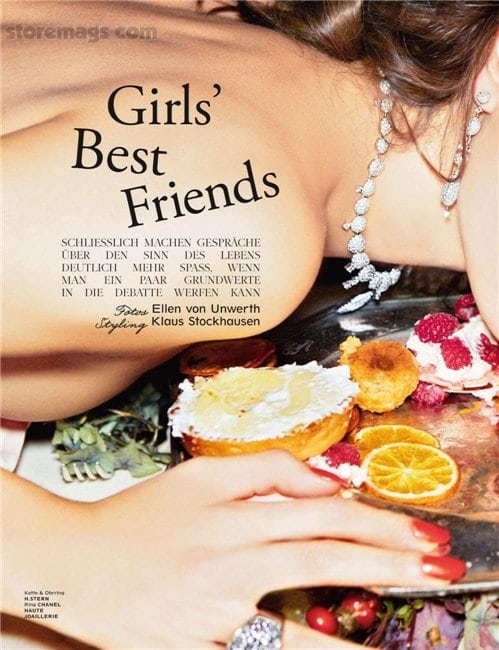
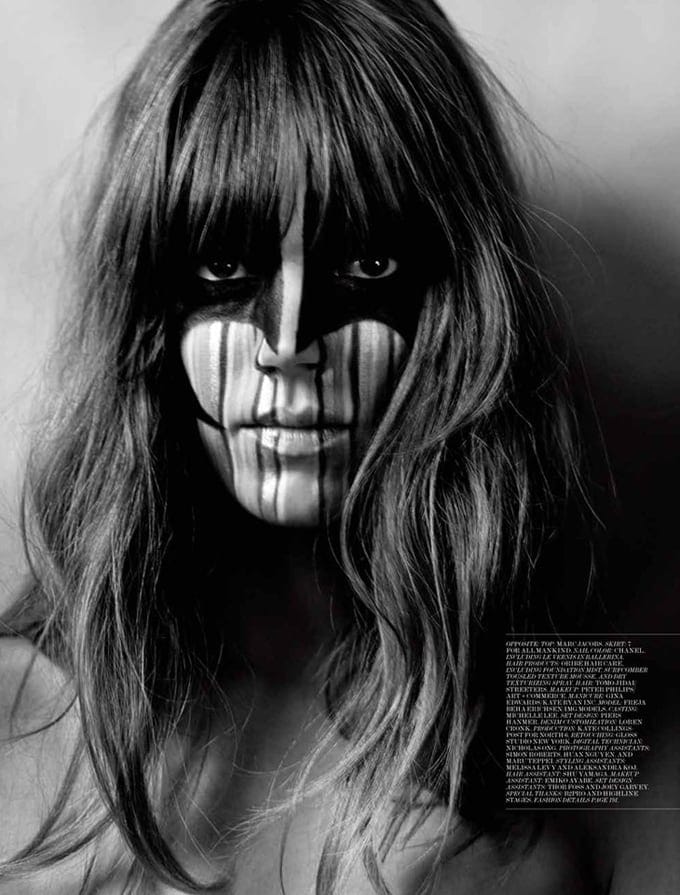
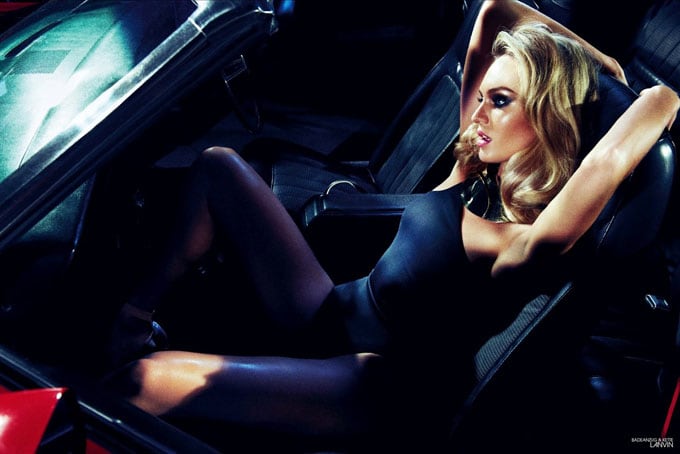
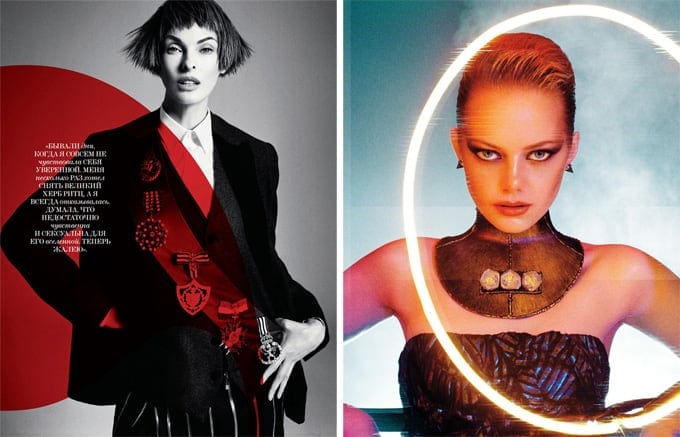
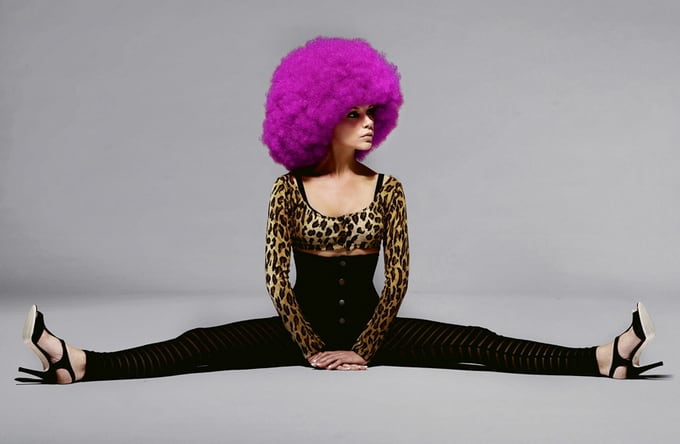
On the page, Interview often pairs direct, intimate text with bold imagery. The magazine is known for portrait photography that can feel glossy, stylized, or deliberately impromptu depending on the assignment. Photographers working for it often lean into strong personality, theatrical styling, and the tension between polish and informality.
In practice, that means a Interview feature may read like a private exchange while still operating as a public image. The magazine’s best-known work sits at that intersection: a conversation that sounds offhand, photographed in a way that makes the subject look larger than life. That blend is the magazine’s signature technique.
Frequently Asked Questions
Is Interview primarily a fashion magazine?
Not exclusively, but fashion is central to its identity. The magazine combines interviews, celebrity culture, and visual styling in a way that gives fashion images a conversational context. Many readers encounter it through covers, portrait sessions, and model features, even when the text comes from a wider cultural world.
Why is Andy Warhol so closely associated with it?
Warhol founded the magazine and shaped its tone through his interest in fame, repetition, and performance. Interview reflects his habit of treating celebrity as both subject matter and material. The publication extends his art-world concerns into editorial form.
What kind of work usually appears in its pages?
It usually features conversations with actors, musicians, artists, models, and other public figures, along with highly styled portrait photography. The magazine tends to favor directness in form but eccentricity in tone. That combination gives it a recognisable mix of intimacy and spectacle.
</
Articles mentioning Interview (magazine)