Flaunt is an American fashion and culture magazine known for glossy editorial photography, long-form profiles, and a taste for experimental image-making. Founded in 1998 by former staffers from Vibe, it built its reputation on pairing fashion with contemporary art, music, and celebrity portraiture rather than treating style as a closed system.
- Founded in 1998 in Los Angeles by three former Vibe employees.
- Print identity centers on fashion editorials, portrait photography, and culture coverage.
- Often uses stylized lighting, elaborate sets, and high-production image making.
- Has featured major photographers, stylists, and musicians across its covers and features.
- Positions itself as a magazine about reinvention, change, and new creative territory.
Where did Flaunt come from?
Flaunt emerged at the end of the 1990s, when independent magazines were expanding beyond traditional fashion coverage into a wider field of culture. Its founders came from Vibe, a publication known for music and Black culture, and brought an editorial instinct for portraiture, youth culture, and strong visual identity. That background matters: Flaunt was never built as a trade magazine for the fashion industry, but as a style publication with an art-direction-first sensibility.
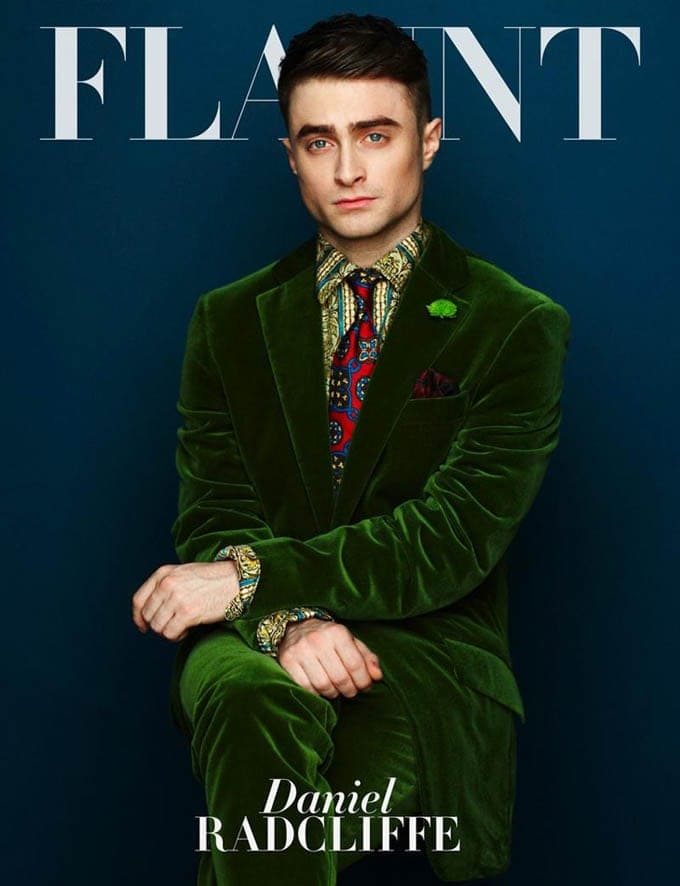
From the start, the magazine treated the cover and feature spread as a space for reinvention. Models, actors, and musicians were photographed in ways that often feel theatrical or cinematic, with styling and set design doing as much work as the subject. That approach helped Flaunt stand apart from magazines that relied more heavily on clean luxury minimalism.
What makes its visual style distinct?
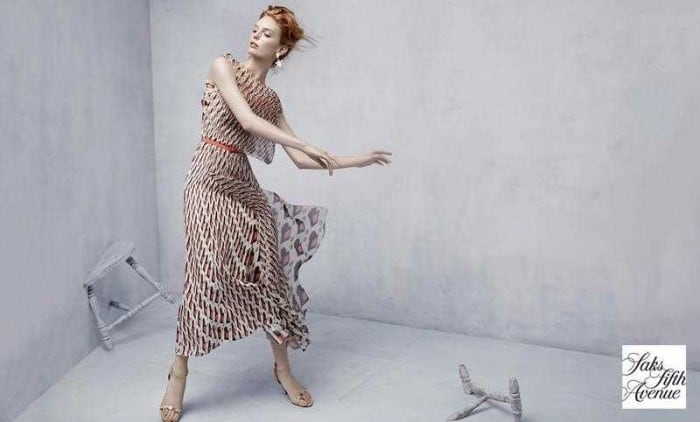
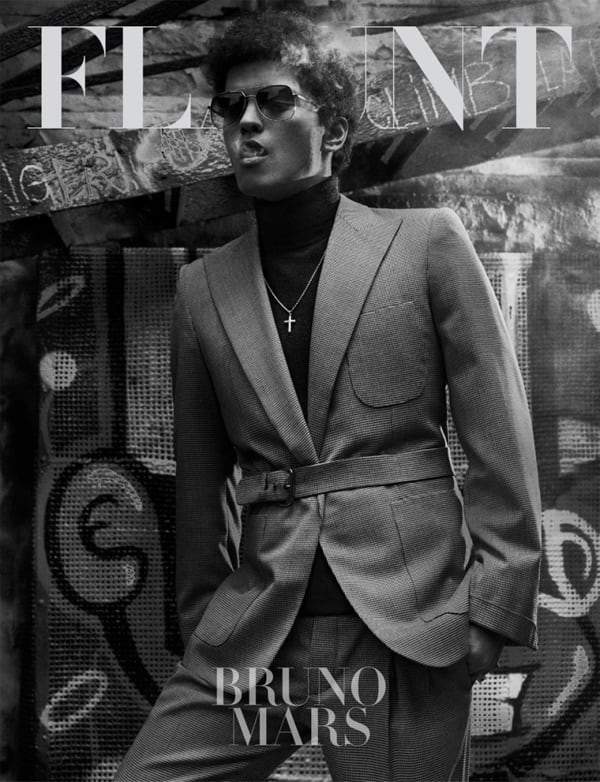
Flaunt is recognizable for editorial shoots that combine sharp styling with a deliberately constructed atmosphere. Photographers working for the magazine often use high-contrast light, saturated color, reflective surfaces, or staged interiors to give images a polished but slightly unreal quality. The result can feel closer to a short film or an installation than to straightforward portraiture.
Fashion remains central, but it is rarely presented as a product catalogue. Garments are usually used as part of a larger visual argument about character, performance, and identity. That makes the magazine useful to photographers and stylists who want space for bolder composition, more overt narrative, or unconventional casting.
Why does Flaunt matter in fashion publishing?
Flaunt matters because it helped define a strain of independent fashion media that treats images as cultural essays. Instead of separating fashion from music, celebrity, or contemporary art, the magazine places them in the same frame. That editorial mix has kept it relevant to readers interested in how style circulates across industries and scenes.
Its covers and fashion stories also function as a showcase for image-makers. Photographers such as An Le, Joshua Kogan, and Brad Harris have appeared in association with the magazine, which signals how often Flaunt works as a site for distinct visual signatures. For many contributors, the publication offers a place to test scale, mood, and narrative in a format that still carries the prestige of print.
How is Flaunt used in practice?
In practice, Flaunt appears as a printed issue, a digital feature, and a cover platform for personalities across fashion, film, and music. A typical feature might combine an interview with a portrait sequence and a fashion story, with each part sharing one visual language. The magazine’s production often depends on close collaboration between photographer, stylist, art director, and set designer.
That collaborative structure matters because Flaunt’s identity is made through process as much as through content. The publication’s look depends on styling choices, location scouting, lighting design, retouching, and sequencing across pages. It is a magazine where editorial form is part of the message: transformation is not just discussed, but staged.
Frequently Asked Questions
Is Flaunt a fashion magazine or a culture magazine?
It is both. Flaunt covers fashion, but it places that coverage alongside music, film, and art, which gives it a broader cultural frame. Its strongest identity comes from treating those subjects as parts of the same visual and editorial conversation.
What kind of photography is Flaunt known for?
Flaunt is known for glossy, carefully art-directed portrait and fashion photography. The images often feel cinematic, with dramatic lighting, strong color, and stylized sets. Photographers use the magazine as a place for ambitious, highly constructed editorial work.
Why do photographers and stylists pay attention to it?
The magazine offers visibility and a recognizable visual platform. It values editorial experimentation, which gives creative teams room to shape mood, narrative, and presentation. That makes it a useful place for work that needs more than a standard fashion layout.
Articles mentioning Flaunt