
Freja Beha Erichsen is a Danish fashion model known for a lean, androgynous look and a strong runway and editorial presence. Born in Roskilde in 1987, she became one of the most recognisable faces of the 2000s and 2010s fashion system, appearing in major magazines, luxury campaigns and shows across Paris, Milan, London and New York.
Stories from Freja Beha Erichsen
4 stories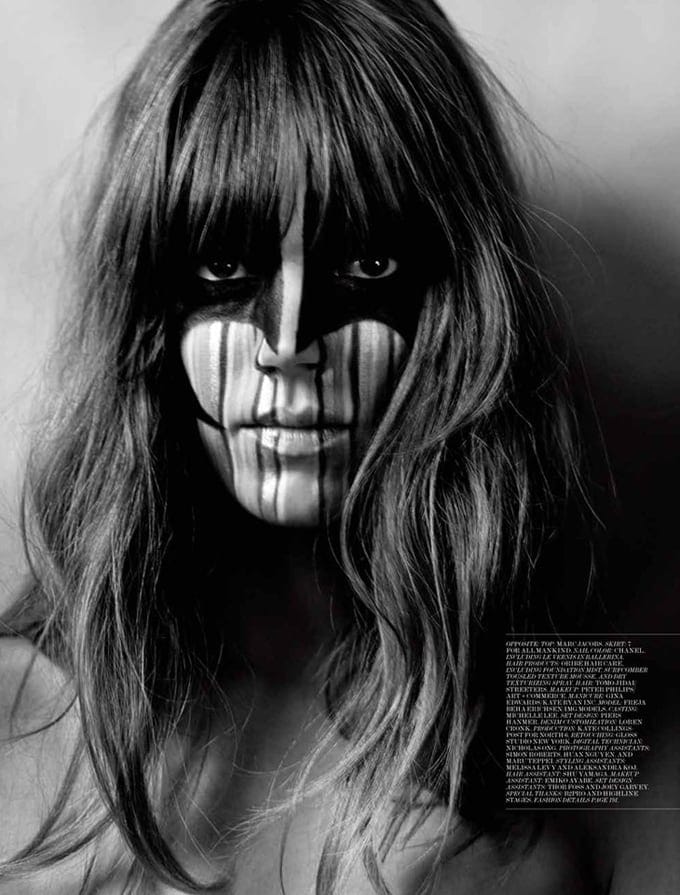
About Freja Beha Erichsen
| Born | 18 October 1987, Roskilde, Denmark |
|---|---|
| Nationality | Danish |
| Known for | Fashion modelling, runway work, editorial shoots, brand campaigns |
| Also known as | Freja Beha |
Read the full overviewWhy Freja Beha Erichsen mattered, What does a Freja Beha Erichsen image look like?, How did she fit into fashion photography?, Where to place her in fashion history?
Why Freja Beha Erichsen mattered
Freja Beha Erichsen emerged during a period when fashion photography and casting began to favour a cooler, less polished kind of beauty. Her sharp features, short-cropped hair at various points in her career, and closed-off, self-contained expression made her useful to photographers looking for tension rather than friendliness. She could read as severe, boyish, romantic or distant depending on styling, which gave her unusual range in editorial work.
That flexibility mattered because fashion relies on models who can carry a garment, a mood and a brand identity at once. Erichsen did that repeatedly, moving between high-gloss commercial campaigns and more experimental magazine pages without losing recognisability. For art directors and photographers, she was not just a face but a visual instrument with a clear silhouette and a memorable attitude.
What does a Freja Beha Erichsen image look like?
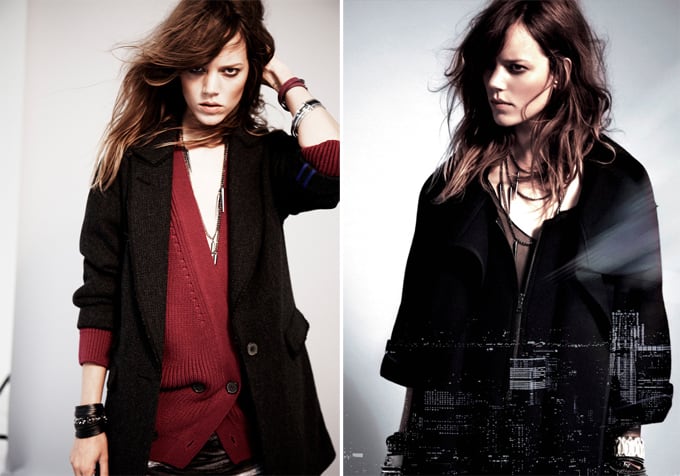
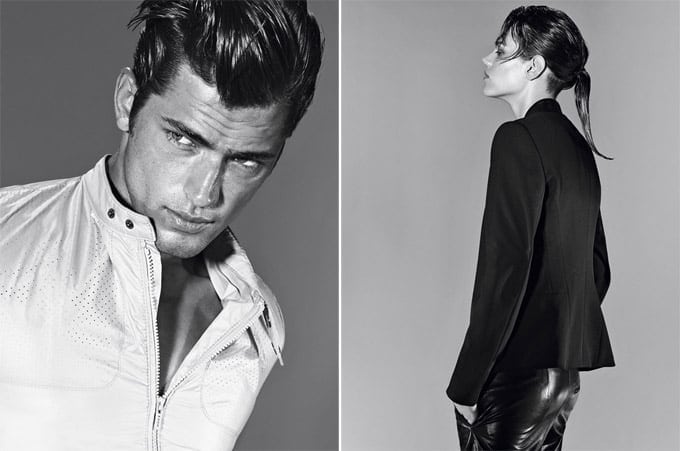
Images of Erichsen often centre on line and posture. She frequently appears in profile or three-quarter view, with a straight spine, a hard stare or a withdrawn expression that gives the picture edge. Stylists often place her in clothes that sharpen her shape: tailored jackets, narrow trousers, severe tailoring, sheer layers or minimal black and white looks.
In print, that can create a restrained but charged effect. Rather than selling softness or overt glamour, her photographs often suggest control, coolness and distance. In campaigns, that quality helps clothes look modern and slightly untouchable; in magazines, it gives editors room to build narratives around rebellion, melancholy or sophistication.
How did she fit into fashion photography?
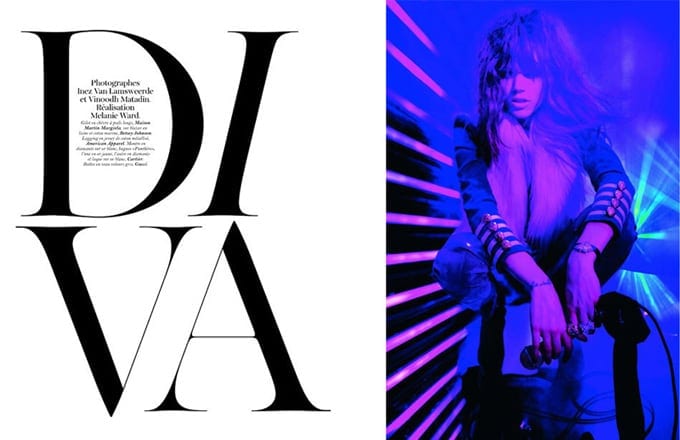
Erichsen’s career overlaps with a moment when fashion photography was balancing commercial polish with a more personal, sometimes deliberately awkward aesthetic. Photographers and magazine editors used her to bridge those modes. She could look expensive in a campaign and still retain the irregularity that made an editorial image feel alive.
That is one reason she appears in work for titles and brands that sit close to the centre of fashion culture. Her presence in a magazine spread or a season campaign signalled taste, current relevance and a certain attitude toward beauty: less decorative than structural, less smile-driven than sculptural. In that sense, she became part of the visual language of contemporary fashion rather than merely a recurring participant in it.
Where to place her in fashion history?
Freja Beha Erichsen belongs to the generation of models who helped widen the idea of what a high-fashion face could be. She was not built around the classic pageant ideal of symmetry and warmth. Instead, she matched the appetite of designers and editors for individuality, ambiguity and a faintly defiant pose. That made her especially useful in collections and editorials that wanted intellect or attitude to read as part of the clothes.
Her influence is easiest to see in the way her image is still circulated and referenced. Fashion students, image editors and photographers often return to models like Erichsen when they need a reference for cool restraint, gender ambiguity and minimal gesture. Her work helped normalise a look that feels controlled, slightly detached and visually exact.
Frequently Asked Questions
Is Freja Beha Erichsen a runway model or an editorial model?
She has worked as both. Her runway presence made her visible to designers and casting directors, while her editorial work gave her a more lasting image in magazines and campaign photography. Many models become associated with one area more than the other; Erichsen has remained relevant in both.
Why is she often described as androgynous?
That description comes from the combination of her facial structure, styling and the way photographers have presented her. Sharp tailoring, short hair at times, and a restrained expression all contributed to that reading. In fashion, androgyny is less about fixed identity than about visual ambiguity, and Erichsen’s image has often used that ambiguity well.
What kind of work is she best known for?
She is best known for fashion editorials, runway appearances and luxury brand campaigns. The work tends to emphasise mood, silhouette and attitude over overt personality. Her strongest images are often the ones where the styling and pose feel tightly controlled rather than expressive in a conventional sense.