
Kassel is a city on the Fulda River in northern Hesse, Germany, known for documenta, one of the most important recurring exhibitions of contemporary art. Once spelled Cassel until 1928, it serves as the administrative seat of both the Kassel Regierungsbezirk and the Kassel district. With about 195,000 inhabitants, it is a regional center rather than a global metropolis, but its cultural profile far exceeds its size.
Stories from Kassel
3 stories

About Kassel
- City in northern Hesse, Germany, on the Fulda River
- Administrative seat of the Kassel region and district
- Home of documenta, a major contemporary art exhibition held every five years
- Known internationally for large-scale art projects and public exhibitions
- Former spelling: Cassel
Read the full overviewWhy Kassel matters in contemporary art, What does Kassel look like in practice?, How did Kassel become associated with documenta?, Frequently Asked Questions
Why Kassel matters in contemporary art
Kassel matters because documenta has made the city a repeated point of reference for artists, curators, critics, and museum visitors since the exhibition began in 1955. The event was founded in the aftermath of World War II to reconnect Germany with international modern and contemporary art after years of Nazi cultural repression. Its scale and ambition turn the city into a temporary stage for new work, often spread through museums, civic buildings, parks, and open public space.
That context gives Kassel a very particular role in visual culture. It is not just the backdrop for an art event; the city becomes part of the exhibition’s meaning. Artists have used Kassel for site-specific installations, performances, architectural interventions, and politically charged projects that depend on the city’s streets, institutions, and public memory.
What does Kassel look like in practice?
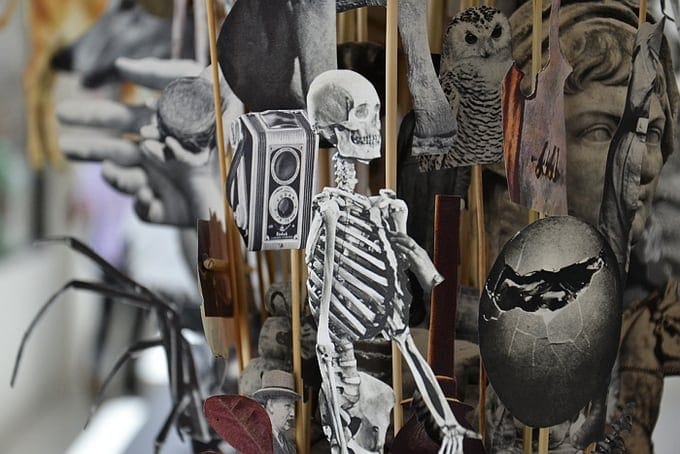
For most of the year, Kassel functions as a medium-sized German city with administrative offices, universities, parks, and industrial and residential districts. During documenta, however, its built environment takes on another layer of use. Museums, temporary pavilions, and unexpected locations across the city can host sculpture, video, printing, textile work, sound, and socially engaged projects. The exhibition often asks artists to work with materials and methods that suit public viewing: timber, steel, paper, paint, archival material, found objects, and digital media.
The city’s geography also matters. The Fulda River, hills, gardens, and historic sites create a mix of interior and outdoor settings that support large installations and walking-based viewing. Kassel’s institutions, especially the Fridericianum and other exhibition venues, give documenta its infrastructure, but much of its impact comes from the way art spills into ordinary civic space.
How did Kassel become associated with documenta?
Documenta began in Kassel because the city was looking for a new cultural role after the war and because its central location made it accessible within West Germany. The exhibition was intended to show the art that had been excluded from official Nazi ideology, especially modernist painting and sculpture. Over time it expanded from a corrective historical project into a major platform for contemporary art and curatorial experimentation.
That history still shapes how Kassel is perceived. The city is tied to debates about the social purpose of art, the politics of display, and the relationship between local public space and global artistic circulation. Few places are so strongly identified with a single recurring exhibition, and fewer still have had that association for so long.
Frequently Asked Questions
Is Kassel mainly known for art?
Outside Germany, yes, largely because of documenta. Inside Germany, it is also understood as an administrative and regional center with ordinary civic functions. The art reputation is nevertheless strong enough that many people encounter the city first through exhibition catalogs, criticism, and installation photography.
What kinds of works are shown in Kassel during documenta?
Documenta includes painting, sculpture, film, installation, performance, archives, publishing, and community-based projects. The city’s venues and public spaces encourage work that can occupy rooms, streets, and landscapes rather than only white-cube galleries. As a result, Kassel often hosts projects that are site-specific and materially varied.
Why is the older spelling Cassel still mentioned?
Cassel is the historical spelling used before the change to Kassel in 1928. It appears in older documents, exhibition histories, and archival references, so it remains useful for researchers. The spelling change does not alter the city’s identity, but it matters when tracing historical records and citations.