
A lagoon is a shallow body of water partly cut off from the sea by a barrier such as a sand spit, barrier island, coral reef, or reef platform. It can also form behind a reef on an atoll. Lagoons matter because they sit between land and open water: they collect sediment, buffer waves, support fisheries, and create distinctive coastal environments that architects, artists, and photographers often use as subjects and settings.
Stories from Lagoon
24 stories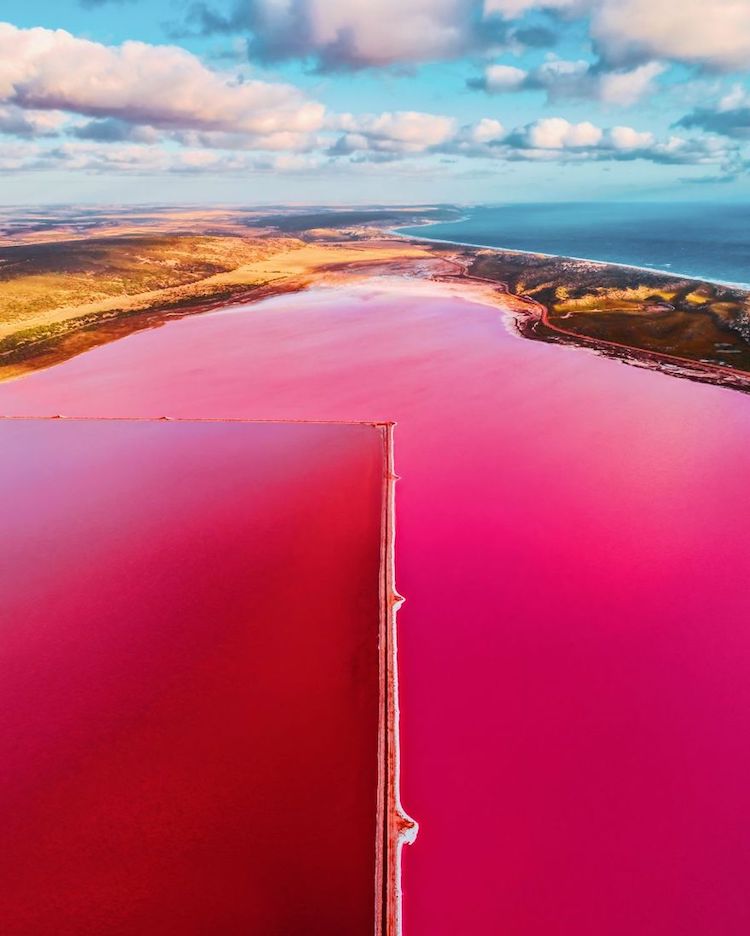




About Lagoon
- What it is: a shallow water body separated from the larger sea by a natural barrier.
- Where it forms: along sandy coasts, behind reefs, and around atolls.
- How it behaves: water exchange is limited, so conditions can differ from the nearby ocean.
- Why it matters: lagoons shape coastlines, habitats, and human settlement patterns.
- Related term: some lagoons overlap with estuaries, especially where river water mixes with seawater.
Read the full overviewHow lagoons form, Why do lagoons matter?, Lagoon or estuary?, What does a lagoon look like in practice?
How lagoons form
Lagoons usually develop when a barrier grows across a low-lying coast and traps water behind it. On sandy shorelines, longshore drift can build barrier islands or spits that enclose a shallow basin. In tropical seas, reefs can act as the barrier instead, enclosing calm water inside an atoll lagoon. The result is not a single fixed type of waterbody but a family of sheltered coastal basins shaped by local geology, waves, tides, and sediment.
That makes lagoons common but varied. Some are brackish, with seawater diluted by rain or rivers. Others are close to marine water in salinity, especially where the opening to the sea is broad. Because the barrier is partial rather than absolute, lagoons change over time as storms cut new inlets, tides move sediment, or reefs and dunes shift position.
Why do lagoons matter?
Lagoons act as buffers between land and ocean. They absorb wave energy, reduce erosion, and can protect nearby settlements from direct storm impact. They also trap fine sediment and organic matter, which makes them productive ecosystems for fish, shellfish, birds, and marine plants. In many places, they support fishing, aquaculture, salt production, and tourism.
They also matter culturally and visually. Calm water, low horizons, and enclosed shorelines create a distinctive coastal atmosphere that appears often in landscape photography, resort design, and site-specific architecture. In a place like Venice or the Maldives, the lagoon is not just a backdrop; it shapes transport, building strategy, and the way a place is seen from above and from the waterline.
Lagoon or estuary?
The boundary between lagoon and estuary is not always clean. Both are coastal water bodies with partial exchange with the sea, and both can contain brackish water. The difference usually comes down to origin and dominant influence: lagoons are defined by their separation behind a barrier, while estuaries are defined by the mixing of river and sea water at a river mouth.
In practice, some places fit both descriptions. A coast may have a lagoon that receives river flow, or an estuarine basin may be enclosed by barriers. For that reason, scientific classification can vary by region and by the criteria used. The overlap is real, but the term lagoon still describes the physical form of a sheltered basin behind a barrier more clearly than it describes water chemistry alone.
What does a lagoon look like in practice?
Visually, a lagoon often reads as a band of still or gently moving water separated from the open sea by a thin line of land or reef. It can be pale and shallow, with sandbars and seagrass visible through the water, or dark and enclosed, with mangroves, salt marsh, or built edges framing it. In tropical settings, reef lagoons can be turquoise and clear; in urban or temperate settings, they may appear grey-green and sediment-rich.
In design and art contexts, lagoons often inform projects that rely on reflective water, sheltered edges, and a sense of isolation from the open coast. That visual calm is part of their appeal, but it also reflects a real ecological condition: reduced wave action and a slower-moving exchange between freshwater, seawater, and sediment.
Frequently Asked Questions
Are lagoons always saltwater?
No. Many lagoons are salty or brackish because they connect to the sea, but their salinity depends on tides, rainfall, evaporation, and river input. Some are close to marine water, while others become much fresher where rivers or heavy rain dominate.
What is the difference between a lagoon and a lake?
A lake is generally inland and not directly separated from the sea by a barrier. A lagoon sits beside the coast or reef and keeps some connection to the ocean, even if that connection is narrow or intermittent. The sea influence is what makes a lagoon a lagoon.
Why are lagoons important in architecture and tourism?
Lagoons create sheltered water, stable views, and a strong sense of place, which makes them attractive for resorts, waterfront housing, and ceremonial or cultural projects. They also shape practical decisions about access, foundations, drainage, and storm protection. In many coastal destinations, the lagoon is both infrastructure and image.