
The Maldives is an island nation in the Indian Ocean made up of a double chain of twenty-six atolls. Its low-lying coral islands sit southwest of Sri Lanka and India, and the country is known for reef ecosystems, lagoon waters and resort architecture built around the sea.
Stories from Maldives
12 stories



About Maldives
- Capital: Malé
- Region: South Asia, Indian Ocean
- Form: sovereign island state composed of atolls and coral islands
- Landscape: shallow lagoons, reef rings, sandbanks and small inhabited islands
- Built environment: resorts, overwater villas, jetties and marine-based infrastructure
Read the full overviewWhat kind of place is the Maldives?, How were the islands formed?, Why does the Maldives matter in visual culture?, What does it look like in practice?
What kind of place is the Maldives?
The Maldives is not a single large island but an archipelagic state spread across hundreds of small islands grouped into atolls. The word atoll matters here: each ring-shaped formation is built by coral reefs around a lagoon, giving the country its distinctive geography and its thin, horizontal profile. Most islands are only a few metres above sea level, which makes the Maldives especially visible in conversations about erosion, storms and sea-level rise.
That geography shapes daily life. Transport depends on boats and seaplanes as much as roads, and settlement clusters on a small number of inhabited islands while many others remain resort sites, fishing grounds or protected marine areas. The country’s identity is closely tied to the sea, from dhoni boats and reef fishing to contemporary tourism built around clear water and coral ecosystems.
How were the islands formed?
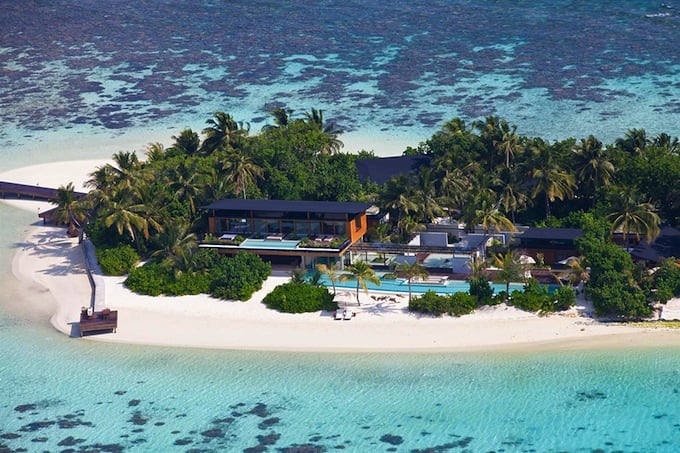
The Maldives sits on a long coral platform in the Indian Ocean. Over time, coral growth around submerged volcanic structures created reef rims and enclosed lagoons, producing the atolls seen today. This is a slow geological process, but it has created a landscape that feels delicate and precise: narrow strips of sand, shallow turquoise water, and reef edges that drop into deeper ocean.
Because the islands are made from living reef systems and deposited sand, they remain changeable. Beaches migrate, channels shift, and storms can reshape coastlines. That instability is part of what makes the Maldives so important to artists, photographers and environmental writers: it offers an extreme example of a landscape that is beautiful, engineered by nature, and precarious at the same time.
Why does the Maldives matter in visual culture?
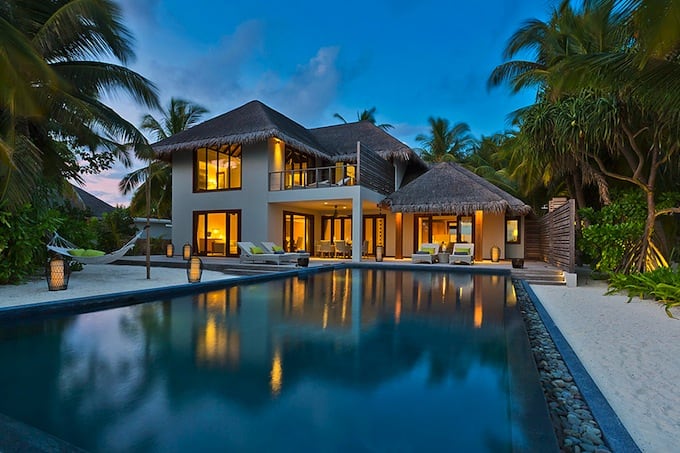
The Maldives has become one of the clearest visual symbols of tropical luxury. Resorts use white plaster, pale timber, thatch, open decks and overwater pavilions to frame the sea as an all-consuming backdrop. In images, the place often reads as clean geometry against water: boardwalks, piers, villas on stilts and infinity pools that merge with the horizon.
At the same time, the Maldives appears in environmental imagery as a warning. Climate-focused photographers and artists use it to show what a low-lying island state faces under rising seas, warming oceans and coral bleaching. That double role — aspirational destination and fragile habitat — gives the country unusual visual force. It is not only a holiday setting; it is also a place where ecological change can be seen directly in the water, the reefs and the shoreline.
What does it look like in practice?
In built form, the Maldives tends to favour light construction and close contact with the coast. Resorts often separate guest villas over water from service areas on land, using timber decks, exposed rafters, woven screens and natural-fibre finishes to soften the scale of development. Many projects borrow from regional craft in detail while relying on modern marine engineering underneath: pylons, jetties, breakwaters and desalination systems.
Outside tourism, everyday architecture is more compact and functional. Inhabited islands typically feature low-rise homes, mosques, schools and harbour edges packed tightly into limited land. The contrast between dense local islands and expansive resort compounds is part of the Maldives’ built reality, and it explains why the country is often discussed through both architecture and infrastructure, not only scenery.
Frequently Asked Questions
Is the Maldives a country or a group of islands?
The Maldives is both. It is a sovereign country, officially the Republic of the Maldives, and it is also an archipelago made up of many islands grouped into atolls. The political boundary and the geographic form are the same thing in practice, which is unusual and important.
Why is the Maldives so often associated with luxury resorts?
The islands offer clear water, coral reefs and private shorelines, which suit resort development extremely well. Designers can create isolated guest experiences with overwater villas, boardwalks and lagoons that feel visually separate from ordinary urban life. That image has made the Maldives a shorthand for high-end travel.
Why is the Maldives important in climate discussions?
Most Maldivian islands are very low-lying, so rising seas and stronger coastal erosion pose direct risks. Coral reefs also suffer when oceans warm, which affects both marine biodiversity and the natural barriers that protect islands. The country therefore stands at the centre of debates about adaptation, conservation and the future of small island states.