
Michael Thompson is an American fashion and portrait photographer known for polished editorial images for magazines such as W, Vogue, Harper’s Bazaar, Vanity Fair, GQ, Allure, Details, and The New York Times Magazine. His work sits at the intersection of high-end fashion photography and celebrity portraiture, shaped by training at Brooks Institute and early experience assisting Irving Penn.
Stories from Michael Thompson (photographer)
1 story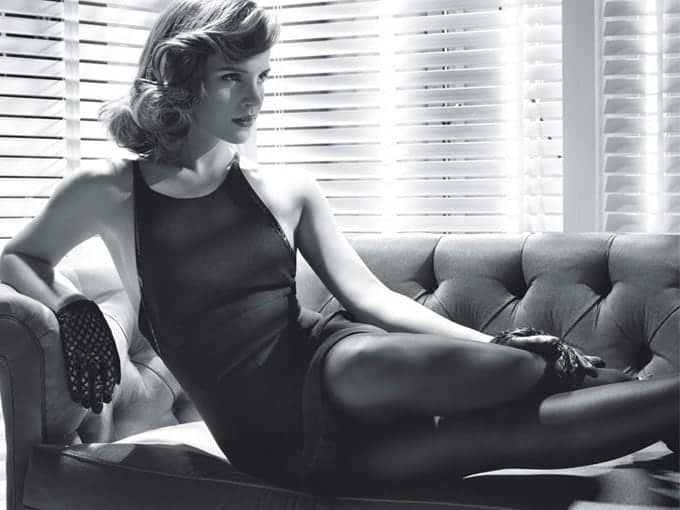
About Michael Thompson (photographer)
| Field | Photography |
|---|---|
| Known for | Fashion, editorial, and celebrity portrait photography |
| Training | Brooks Institute of Photography, California |
| Early career | Assistant to Irving Penn |
| Family background | Son of a studio photographer in Washington State |
| Published in | W, Details, Allure, Harper’s Bazaar, Vogue, Vanity Fair, GQ, The New York Times Magazine |
Read the full overviewHow did Michael Thompson build his style?, What kind of photography does he make?, Why does his work matter in magazine photography?, What does his photography look like in practice?
How did Michael Thompson build his style?
Thompson’s path into photography began in a studio environment. His father worked as a studio photographer in Washington State, giving him an early model of controlled lighting, careful posing, and the disciplined pace of commercial portrait work. That background matters because Thompson’s photographs often carry the precision of studio practice even when they are made for fast-moving magazine assignments.
He later studied at the Brooks Institute of Photography in California, a school known for technical training. After that, he assisted Irving Penn, one of the most influential magazine photographers of the 20th century. Penn’s influence is visible in Thompson’s clean compositions, attention to surface, and preference for images that hold a subject in a strong, readable frame.
What kind of photography does he make?
Thompson is best known for editorial photography, especially fashion and celebrity portraits. That means his work is usually made for publication rather than as gallery-only art. The images need to communicate clothing, personality, and mood quickly, often in a single frame, while still looking elegant and controlled.
His photographs often use studio lighting, crisp detail, and direct presentation. Faces are carefully lit, clothing is rendered clearly, and the setting rarely overwhelms the subject. In practice, that gives his work a tailored, magazine-ready look: sleek but not anonymous, commercial but not flat.
Why does his work matter in magazine photography?
Editorial photographers shape how public figures and fashion trends are seen. Thompson’s work appeared in major American magazines at a time when fashion photography carried strong visual influence across print culture. Those magazines relied on photographers who could produce images that felt current, glamorous, and technically refined, and Thompson became one of the names associated with that brief.
His career also shows how magazine photography depends on craft as much as concept. The image has to work under editorial deadlines, satisfy art directors, and still keep the subject distinct. Thompson’s steady, studio-informed approach helped him move between fashion spreads, celebrity portraits, and broader magazine assignments without losing visual control.
What does his photography look like in practice?
Thompson’s images tend to favor clarity over accident. Backgrounds are often spare or carefully staged, lighting is deliberate, and the subject is arranged so that clothing and expression remain legible. That style suits fashion pages, where fabric texture, silhouette, and pose need to read immediately.
In a portrait session, this approach can produce a sense of calm authority. The subject is not buried in effects or dramatic setting; instead, the photograph depends on timing, posture, and the exact handling of light. For publications such as W, that balance allows the image to function both as an editorial statement and as a clean record of how a person was presented at a particular moment.
Frequently Asked Questions
Is Michael Thompson mainly a fashion photographer?
Yes, fashion and editorial work form the core of his reputation. He is also known for portraits, especially of actors, models, and other public figures photographed for magazines. The two strands overlap in his work because both depend on controlled lighting and strong presentation.
What did Irving Penn contribute to his development?
Thompson assisted Irving Penn early in his career, which likely reinforced a disciplined approach to composition, lighting, and print clarity. Penn was known for rigorous studio methods and a pared-down visual language. Thompson’s own images show a similar respect for structure and surface.
Why is Brooks Institute mentioned in his biography?
Brooks Institute gave Thompson formal technical training before he entered professional magazine work. That matters because editorial photography requires reliable handling of cameras, lighting, and studio setup under deadline pressure. The school helped prepare him for the practical demands of commercial photography.