
Nathalie Croquet is a French journalist, stylist, and model who became known for parodying luxury fashion campaigns by recreating their poses, styling, and settings with deliberate precision and comic timing. Her work turns the polished language of high fashion into something visible as construction: lighting, wardrobe, facial expression, and editorial fantasy.
Stories from Nathalie Croquet
1 story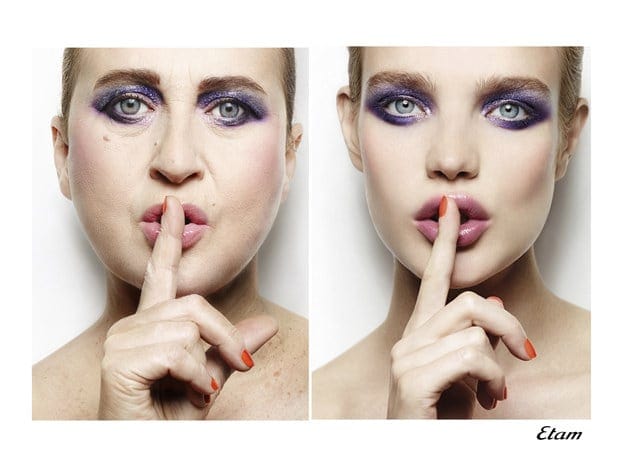
About Nathalie Croquet
| Field | Journalism, styling, modelling, fashion parody |
|---|---|
| Nationality | French |
| Known for | Exacting spoofs of fashion advertising images |
| Medium | Photography-based parody, editorial image-making |
| Notable subject matter | Luxury brands, campaign imagery, fashion stereotypes |
Read the full overviewHow Nathalie Croquet became known, What does her parody actually do?, Why does it matter to fashion image culture?, How the work is made
How Nathalie Croquet became known
Croquet first worked in fashion and media as a journalist and stylist, which gave her a close view of how campaigns are built and sold. That background matters: the parody only works because it copies not just an image’s surface but its internal logic. She understands the codes of posing, clothes selection, and art direction from the inside.
Her public profile rose when she began appearing in images that recreated glossy fashion advertisements with uncanny care. Rather than mocking fashion from a distance, she used the same visual grammar as the original campaigns. The result is a form of critique that feels close to the source material, and therefore harder to ignore.
What does her parody actually do?
Croquet’s images mimic the finished look of fashion advertising while exposing how artificial that look already is. She copies model poses, facial expressions, props, studio lighting, and often the styling of a particular brand campaign. The joke is not simply that the images are funny; it is that the originals can be reproduced so exactly once their conventions are identified.
This makes the work read as both performance and editorial analysis. Fashion advertising tends to present itself as effortless glamour, but Croquet shows the labour behind that glamour by recreating it piece by piece. Hair, makeup, costume, and composition all become legible as a system rather than a mystery.
Why does it matter to fashion image culture?
Fashion has long relied on aspiration, distance, and controlled perfection. Croquet’s parodies interrupt that hierarchy by putting a middle-aged French journalist into the role of the idealised campaign model and keeping the framing intact. The shift changes the meaning of the image without changing its basic visual structure.
That matters because it reveals how much fashion photography depends on repetition and recognisable codes. A luxury campaign often appears unique, but it usually draws on a shared vocabulary of attitude, body language, and display. Croquet’s work points to that vocabulary and makes it easier to see how those images persuade.
How the work is made
The making process is central to the effect. The parody depends on careful art direction: selecting a source image, matching costume and gesture, and then reproducing the shot with enough fidelity that the viewer recognises the original before reading the joke. Even when the results feel spontaneous, they are built through exact planning.
Because the work sits between journalism, styling, and performance, it also reflects Croquet’s own professional range. The images do not simply imitate fashion; they use fashion techniques as material. That makes the project relevant to anyone interested in how editorial images are constructed, circulated, and turned into cultural symbols.
Frequently Asked Questions
Is Nathalie Croquet a satirist or a fashion insider?
She is both, but the insider position is what gives the satire its force. Her background in journalism and styling means she knows how fashion images are assembled and how they are meant to read. The work does not rely on outsider ridicule; it relies on fluency with the system being copied.
What makes her parodies different from simple imitation?
Simple imitation copies appearance. Croquet’s work copies the exact relations between pose, styling, setting, and mood that make a campaign persuasive. That precision turns the image into a critique of fashion’s visual habits rather than a loose joke about clothes.
Why did her work attract attention beyond fashion circles?
The images are funny on first glance, but they also say something broader about media, identity, and the staging of desire. Anyone who has seen advertising, celebrity portraiture, or editorial fashion can recognise the mechanics she is exposing. That wider relevance helped the project travel beyond specialised fashion audiences.