
Newsweek is an American weekly news magazine that began publishing in New York City in 1933. For most of its print life it was one of the country’s major general-interest news weeklies, competing directly with Time and built around reporting, photography, illustration, commentary, and covers designed to catch attention on the newsstand.
Stories from Newsweek
11 stories

About Newsweek
- Founded in 1933 in New York City.
- Published as a weekly print magazine until 2012.
- Known for national and international current-affairs coverage.
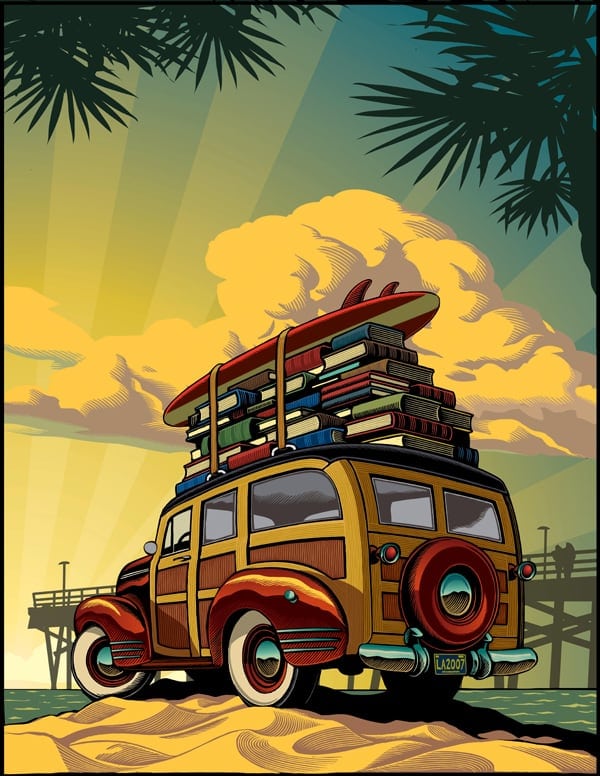
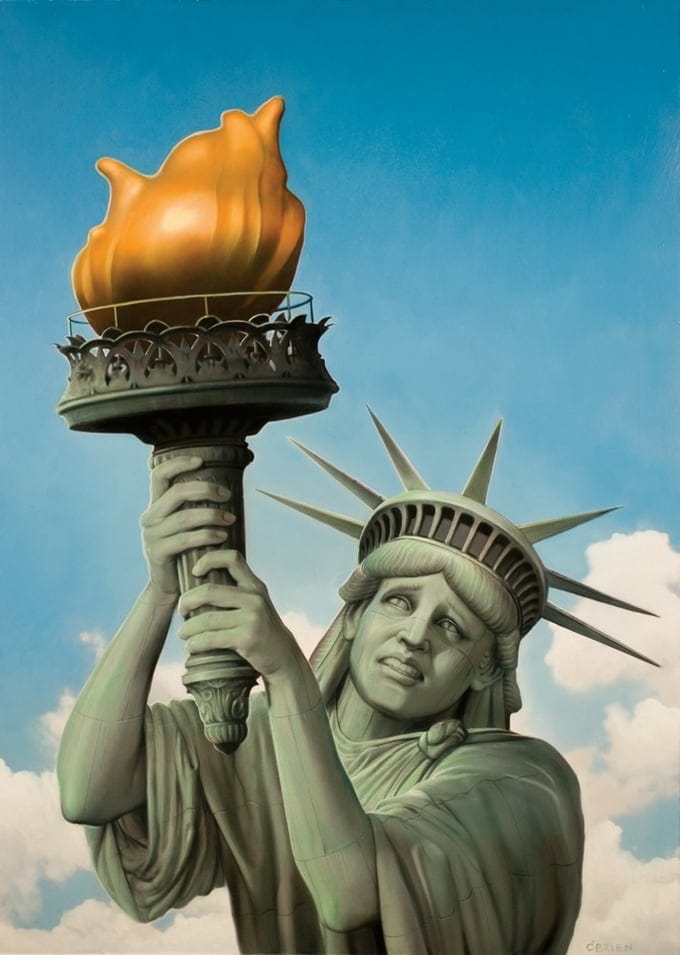
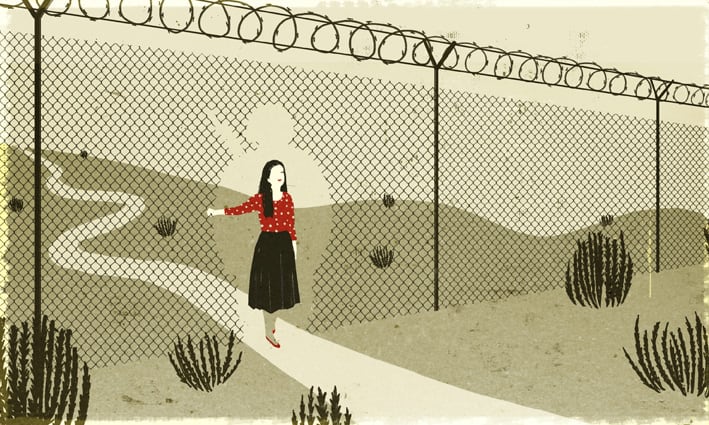
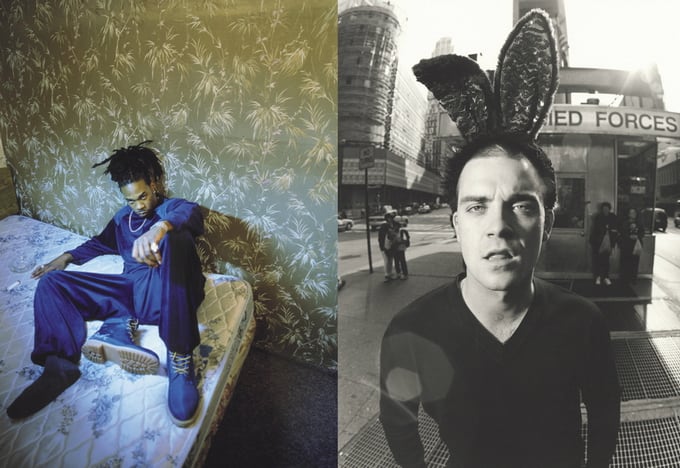
- Used commissioned illustration and photography heavily on covers and inside pages.
- Released multiple English-language and international editions.
Read the full overviewWhat kind of magazine was it?, How did Newsweek work in print?, Why did Newsweek matter in visual culture?, What happened after the print edition?
What kind of magazine was it?
Newsweek was a general news magazine, not a specialist title. Its pages mixed politics, business, culture, foreign affairs, science, and long-form reporting in a compact weekly package. Like other news weeklies, it had to explain events quickly and clearly while still giving editors room to frame the news with a strong visual identity.
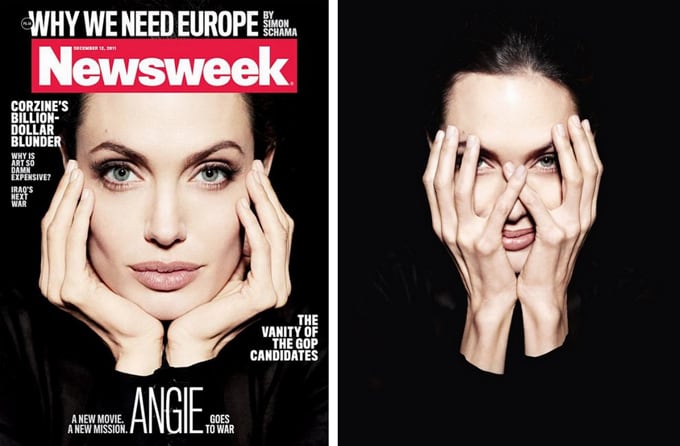
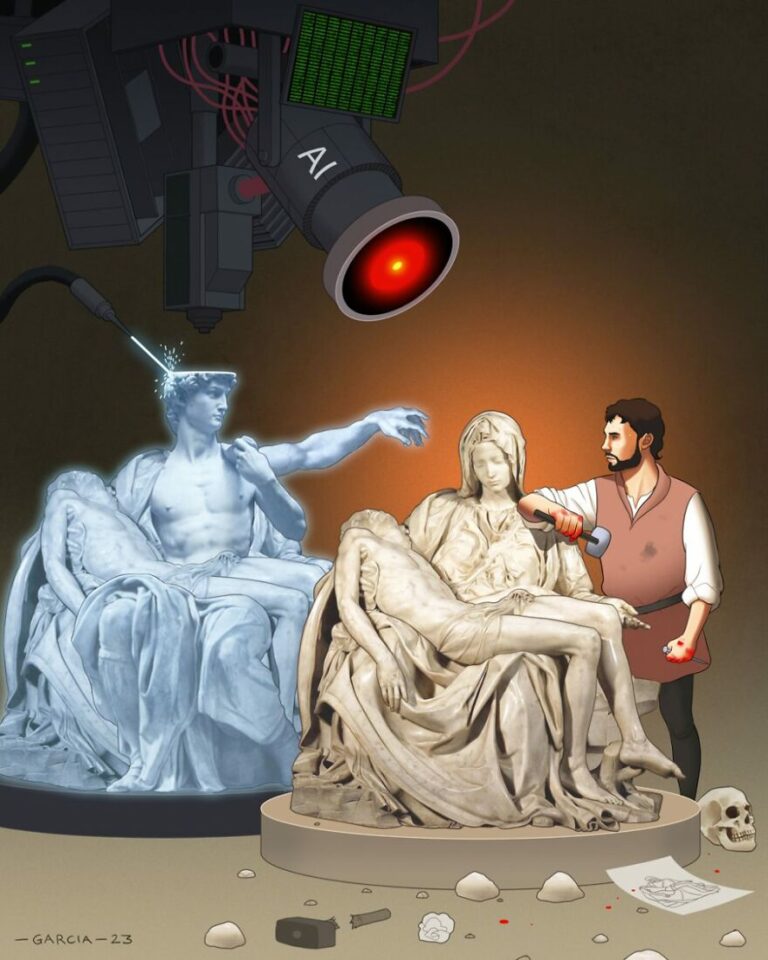
That visual identity mattered. Covers often relied on a single image, a short headline, and a clear point of view. In practice, that meant illustrated covers, portrait photography, and visual metaphors that could summarize a political argument or cultural mood at a glance.
How did Newsweek work in print?
The magazine was printed weekly for nearly eight decades, from 1933 until 2012, and was distributed across the United States and abroad. At different points it appeared in several English-language editions and in international editions adapted for local markets. Those regional versions allowed the magazine to circulate with content tuned to the news interests of different audiences.
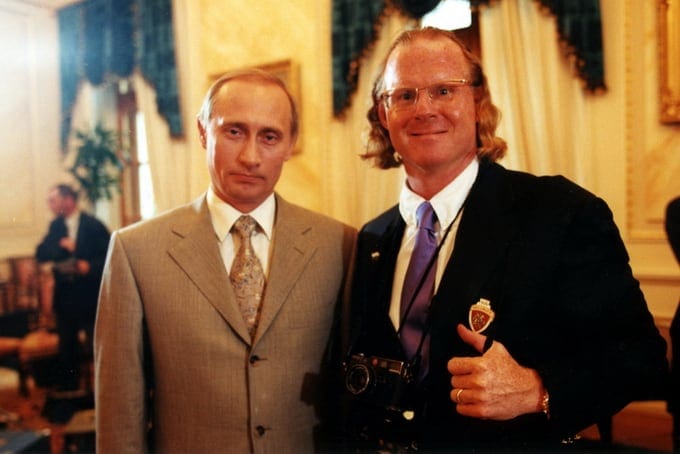
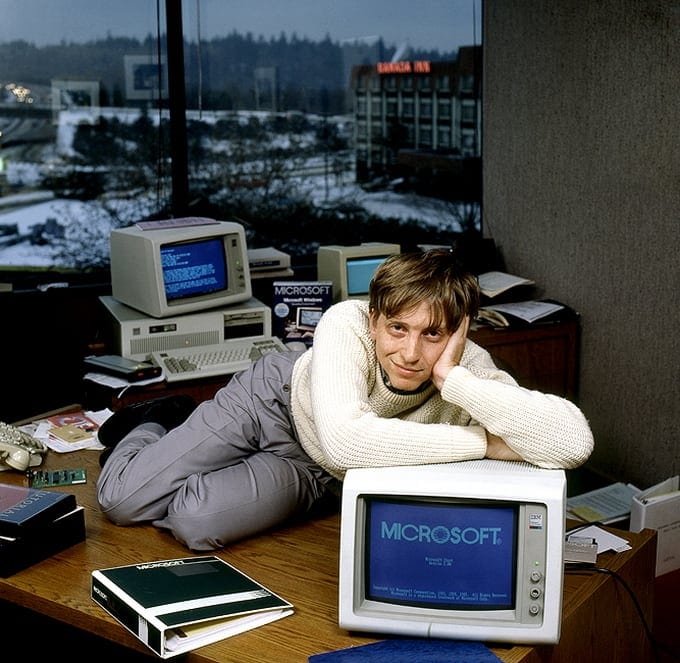
Because it was a weekly rather than a daily paper, Newsweek could commission images and shape its stories for a slightly longer shelf life. That made it useful for illustrators and photographers whose work needed editorial context, whether the assignment was a portrait, a symbolic cover illustration, or a visual comment on politics.
Why did Newsweek matter in visual culture?
Newsweek mattered because it helped define the look of mainstream news coverage in the late 20th century. Its covers were part journalism, part visual argument. When an artist or photographer contributed to the magazine, the work reached a broad audience and entered a highly legible public setting, where image choices could influence how readers understood a story.
That is why Newsweek appears in the careers of many illustrators and photographers. The magazine was a major venue for editorial art, and its cover history has become a reference point for how news organizations use images to steer tone, irony, urgency, or critique. A Newsweek cover could look sober and authoritative, or pointedly satirical, depending on the story and the art direction.
What happened after the print edition?
Newsweek ended its U.S. print edition in 2012, marking the close of an era for the weekly news magazine format. The title continued in digital form and later returned to print in a different capacity, but the original print magazine belongs to the period when news weeklies served as one of the main visual formats for national journalism.
Its long print run still matters because so much editorial illustration and magazine photography was made for that format. Newsweek’s archive preserves a record of how American magazines packaged news for a mass audience: a blend of reporting, image selection, headline writing, and cover design intended to be read quickly but remembered.
Frequently Asked Questions
Was Newsweek an illustrated magazine?
Yes, in the sense that illustration and photography were central to its editorial design. Like other major news weeklies, it used commissioned artwork and strong images to frame stories and make covers immediately readable. The magazine’s visual language was not decorative; it was part of the reporting package.
How was Newsweek different from a newspaper?
Newsweek published once a week, so it aimed to summarize and interpret events rather than report them hour by hour. That schedule gave editors more time to shape narrative, choose images, and develop cover concepts. Newspapers were built for speed; Newsweek was built for weekly synthesis.
Why do artists and photographers still refer to it?
Because it was a major platform for editorial image-making. A Newsweek assignment could place an artist’s work in front of a national audience and tie it to a specific political or cultural moment. Its covers and feature spreads remain useful examples of how magazines turn images into public commentary.