Puerto Rican people are the people of Puerto Rico, an island territory in the Caribbean, and the larger Puerto Rican diaspora formed through migration to the United States and elsewhere. The term can describe someone born in Puerto Rico as well as, in many contexts, a person of Puerto Rican parentage or ancestry who grew up outside the island.
| Term | Meaning |
|---|---|
| Primary identity | People from Puerto Rico and their descendants |
| Home territory | Puerto Rico, a Caribbean island with a distinct history, language, and culture |
| Language | Spanish is the main language; English is also widely used |
| Common diaspora | Large communities in the continental United States, especially New York, Florida, New Jersey, and Chicago |
| Related label | Puerto Rican can function as a noun or adjective |
What does Puerto Rican mean?
Puerto Rican identity comes from a place, but it also comes from family history and culture. In ordinary use, it refers to people connected to Puerto Rico through birth, parentage, or long-term community life. That flexibility matters because migration has made the Puerto Rican population split between the island and a far larger diaspora.
As a result, a Puerto Rican may be a farmer in the island’s central mountains, a designer in San Juan, or a second-generation New Yorker with family ties to the island. The label carries both nationality and ethnicity-like meaning, depending on context. In cultural writing, it often signals shared history, music, food, language, and political experience rather than a strict legal category.
Where did Puerto Rican identity come from?
Puerto Rican identity formed through colonization, forced labor, migration, and cultural mixing. Indigenous Taíno people, Spanish colonial rule, and the arrival of Africans brought through the slave trade all shaped the island’s population and visual culture. Over time, that mix produced a distinct Puerto Rican identity with its own customs, speech patterns, and artistic traditions.
The modern diaspora grew sharply in the twentieth century, especially after World War II, when large numbers of Puerto Ricans moved to mainland U.S. cities for work and housing. That movement did not dissolve identity; it expanded it. Today, Puerto Rican culture is made across the island and in cities such as New York, where printmaking, music, fashion, photography, and mural art have all carried Puerto Rican references into public view.
How is Puerto Rican culture visible in art and design?
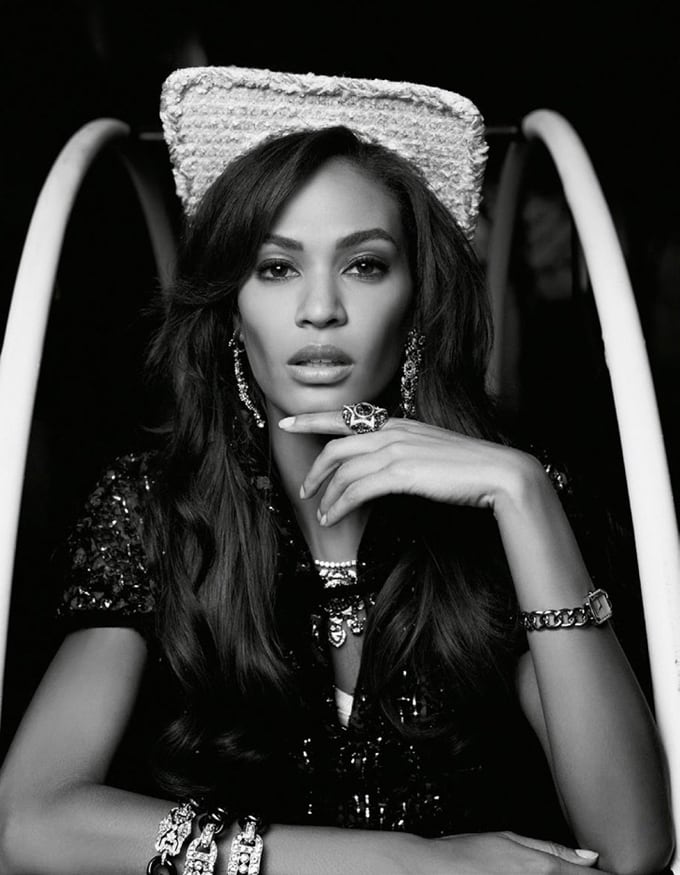
Puerto Rican culture appears in art through color, iconography, language, and the subjects artists choose to depict. It may show up in portraits of community life, in street murals that use nationalist symbols or Caribbean plant and animal forms, or in fashion imagery that frames Puerto Rican models and performers as central rather than peripheral. In photography, Puerto Rican identity can be expressed more quietly through settings, family objects, and gestures that mark belonging without overt symbols.
Design and visual culture also reflect Puerto Rican history through craft traditions and material choices. Needlework, carved santos, carnival masks, regalia, and handmade signs all connect to practices that value adaptation and reuse. In diaspora contexts, artists often combine Puerto Rican references with urban American styles, creating work that feels hybrid rather than fixed.
Why does the distinction between island and diaspora matter?
The distinction matters because Puerto Rican identity is often discussed as if it had one center, when in practice it has many. Someone raised in San Juan and someone raised in the Bronx may both be Puerto Rican, but their language use, political concerns, and visual references can differ. That difference does not make one less authentic; it shows how a dispersed people keep remaking identity across locations.
In editorial and museum settings, precision helps. Writers should avoid treating “Puerto Rican” as a simple synonym for “from Puerto Rico” if the subject is part of the U.S.-based diaspora, and they should avoid using it as a blanket term for all Latinos. The specific label matters because it names a particular history of colonial rule, migration, and cultural persistence.
Frequently Asked Questions
Is every Puerto Rican born in Puerto Rico?
No. Many Puerto Ricans are born on the island, but many others are born in the continental United States or elsewhere to Puerto Rican parents or families. In common use, those people are often still called Puerto Rican. The term usually points to heritage and community, not only birthplace.
Is Puerto Rican a nationality, ethnicity, or race?
It can function as all three, depending on context. Legally, Puerto Rico has a distinct political status, and people from the island have U.S. citizenship, which complicates simple national labels. In cultural writing, Puerto Rican usually names a people with shared ancestry, history, and cultural practice more than a race.
What makes Puerto Rican culture distinctive in visual media?
Puerto Rican visual culture often combines Caribbean color, Spanish colonial remnants, African and Taíno heritage, and urban diasporic style. It appears in printmaking, street art, photography, fashion, and community murals, often with strong attention to place and family memory. The result is a visual language that can be celebratory, political, or intimate, sometimes all at once.
Articles mentioning Puerto Rican people