
Puerto Rico is a Caribbean archipelago and a United States territory whose main island sits east of the Dominican Republic and west of the Virgin Islands. Its status is officially the Commonwealth of Puerto Rico, and its territory also includes smaller islands such as Vieques, Culebra, and Mona. The place matters in art, design, and media because it is both a distinct cultural landscape and a site shaped by colonial history, migration, tourism, and repeated infrastructure crises.
Stories from Puerto Rico
6 stories



About Puerto Rico
- Puerto Rico is an archipelago, not just one island.
- Its political status is that of an unincorporated U.S. territory, with consequences for citizenship, governance, and funding.
- Spanish and English are both used, but Puerto Rican visual culture is deeply rooted in local Spanish Caribbean traditions.
- Its built environment and media visibility are shaped by hurricanes, debt, power failures, and reconstruction.
- Artists and designers often turn to Puerto Rico as both subject and source: of biodiversity, street culture, craft, and political expression.
Read the full overviewWhere is Puerto Rico?, What makes Puerto Rico culturally distinct?, Why does Puerto Rico appear so often in art and media?, How is Puerto Rico made visible on the ground?
Where is Puerto Rico?
Puerto Rico lies in the northeastern Caribbean Sea, forming part of the Greater Antilles. The main island is the largest and most densely populated, while Vieques, Culebra, and Mona extend the territory’s geographic and ecological range. Coastal plains, a central mountain spine, mangrove swamps, coral reefs, and dry forests give the archipelago a compact but varied landscape.
That geography matters for making. Ports, roads, and air links concentrate trade and movement along the coast, while the interior has long supported agriculture, quarrying, and small-scale production. The island’s climate also shapes materials and techniques: hurricanes influence construction, humidity affects paper, wood, and textiles, and marine conditions shape fishing, shipbuilding, and coastal settlement.
What makes Puerto Rico culturally distinct?
Puerto Rico’s culture grew from Taíno, Spanish, African, and later U.S. influences, with each layer visible in language, music, food, and craft. The result is not a blended generality but a specific Caribbean modernity, marked by bomba and plena rhythms, Catholic festivals, street signage, vernacular architecture, and a strong tradition of printmaking and mural art. Puerto Rican makers often work across the line between folk practice and contemporary art.
In visual culture, Puerto Rico appears as both subject and source. Artists have used its wildlife, urban walls, political symbols, and post-hurricane landscape to make work about survival and identity. Designers and photographers are drawn to the island’s saturated color, informal street economies, and the tension between tropical abundance and infrastructural fragility.
Why does Puerto Rico appear so often in art and media?
Puerto Rico’s visibility in contemporary art and journalism comes from more than scenic value. It is a place where ecology, politics, and media infrastructure intersect in unusually visible ways. Hurricanes, blackouts, and the uneven pace of reconstruction have made electricity, communications, and housing into public subjects. At the same time, biodiversity and coastal life give artists and filmmakers vivid material to work with.
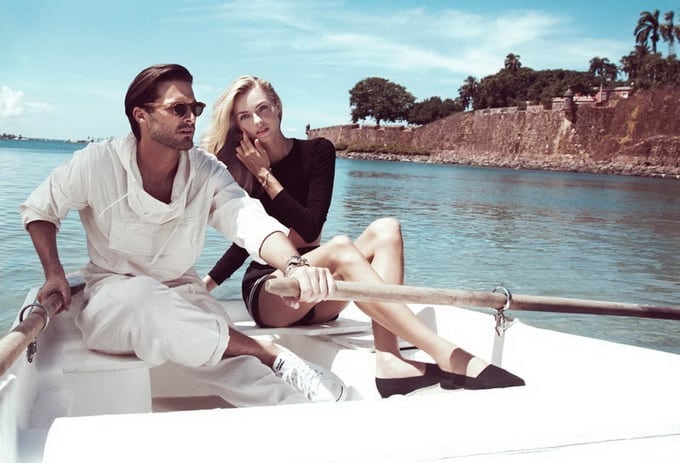
This makes the island useful to a wide range of image-makers. A street artist may treat local flora and fauna as emblems of resistance, while a photographer may frame mobility, sports, or fashion against the island’s urban edges and beaches. In these cases, Puerto Rico is not a backdrop. It is part of the argument the image makes.
How is Puerto Rico made visible on the ground?
Puerto Rico’s streets and buildings show a layered material history. Spanish colonial forts and plazas sit near concrete apartment blocks, corrugated metal repairs, painted signage, and informal additions that reflect both climate and economy. In San Juan and beyond, paint, tile, rebar, and sheet metal are everyday materials, often used in pragmatic, improvised ways that reveal local skill rather than polish.
Craft traditions remain important. Woodcarving, religious imagery, masks, ceramics, textile work, and printmaking all have active lives in Puerto Rican culture. These practices connect domestic interiors, carnival, street performance, and political iconography. In visual terms, Puerto Rico is often seen through strong color, dense pattern, and surfaces shaped by weather and repair.
Frequently Asked Questions
Is Puerto Rico a country?
No. Puerto Rico is an unincorporated territory of the United States, not an independent country. It has its own cultural identity, institutions, and local government, but ultimate sovereignty rests with the United States. That legal status affects elections, taxation, federal aid, and political representation.
What islands are part of Puerto Rico?
The territory includes the main island of Puerto Rico and several smaller islands. Vieques, Culebra, and Mona are the best known of these. Each has its own landscape and cultural role, from tourism and conservation to military history and ecological preservation.
Why do artists and designers use Puerto Rico as a subject?
Puerto Rico offers a dense set of visual and social themes: biodiversity, colonial architecture, migration, music, street life, and climate damage. It also has a strong local culture of murals, printmaking, craft, and public imagery. Those elements give artists and designers concrete material rather than a generic tropical setting.