
Purmerend is a municipality and city in North Holland, in the Netherlands, set amid reclaimed low-lying land and long linked to the agricultural market towns of the region. It grew as a trading centre for the surrounding polders, then expanded rapidly after 1960 from a small provincial city into a much larger commuter and service centre.
Stories from Purmerend
1 story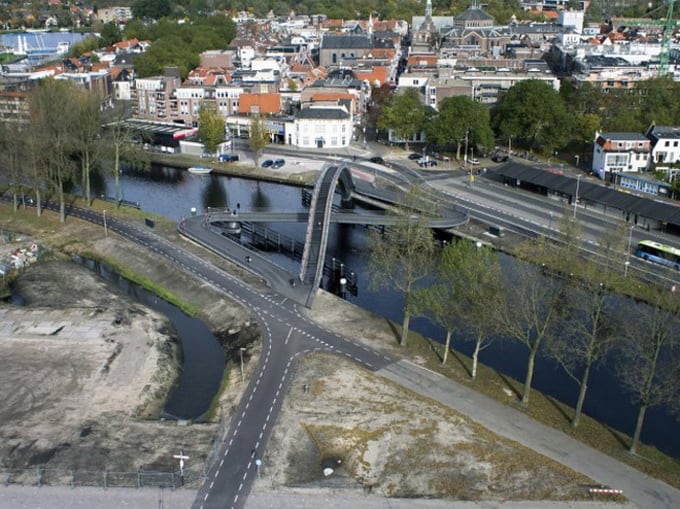
About Purmerend
- Purmerend sits in a landscape shaped by polders, including the Purmer, Beemster and Wormer.
- Its early importance came from trade in the surrounding rural district rather than from heavy industry.
- The city’s population stayed relatively modest until the post-1960 expansion boom.
- Modern Purmerend is known for continuing suburban growth and new infrastructure.
Read the full overviewWhy Purmerend developed here, What changed after 1960?, How does the place appear in design and architecture?, Frequently Asked Questions
Why Purmerend developed here
Purmerend’s location matters. The city lies in a wet, engineered landscape where land had to be reclaimed, drained and managed through dikes, canals and pumping. That setting made it a natural node for trade: farm produce, livestock and goods from the surrounding polders could move through the town on their way to larger markets.
Unlike the great port cities of the Netherlands, Purmerend did not grow early through global commerce or shipping power. Its role was local and regional, which kept it smaller for longer. The city’s scale reflects that history: compact older streets, a market-town core and later rings of planned growth around it.
What changed after 1960?
For most of its history, Purmerend remained a relatively small settlement. That changed in the second half of the 20th century, when housing demand around Amsterdam and the wider Randstad pushed development outward. From the 1960s onward, Purmerend absorbed major residential expansion and its population rose sharply.
This change altered the city’s character. New neighbourhoods, roads and public facilities became as important as the older market core. Purmerend became less a place defined only by regional trade and more a modern suburban municipality shaped by planning, migration and everyday commuting.
How does the place appear in design and architecture?
Purmerend’s built environment reflects both the restraint of a historic trading town and the ambitions of later expansion. The older centre tends to be compact and legible, while the newer districts spread into land that was once water or pasture. Bridges, embankments, drainage works and road alignments are part of the city’s visual identity because infrastructure in a polder landscape is never incidental.
That makes Purmerend a useful place for projects that deal with connection and landscape engineering. In contemporary architecture and public works, the city often functions as a case study in how a small Dutch town adapts to growth without losing the evidence of its water-managed setting.
Frequently Asked Questions
Is Purmerend a city or a municipality?
It is both. Purmerend is a city and the administrative centre of its municipality. In Dutch governance, the municipality covers the urban area and its surrounding territory.
Why is Purmerend associated with polders?
The city is surrounded by reclaimed land, including the Purmer, Beemster and Wormer polders. Those polders are part of the engineered landscape that made settlement and agriculture possible in the area. Their presence explains much of Purmerend’s form and history.
What made Purmerend grow so quickly after 1960?
Postwar housing demand and regional expansion around Amsterdam drove the change. Purmerend absorbed new residential districts and became more attractive as a place to live within commuting distance of larger employment centres. The result was a shift from small market town to fast-growing suburban city.