
Stedelijk Museum Amsterdam is Amsterdam’s municipal museum of modern art, contemporary art, and design. Founded in 1874, it collects and exhibits work that tracks the radical changes in visual culture from the late nineteenth century onward, including painting, sculpture, graphic design, photography, furniture, and experimental installation. Its role is both civic and curatorial: to preserve a public collection and to show how artists and designers have reworked materials, images, and objects in response to modern life.
Stories from Stedelijk Museum Amsterdam
1 story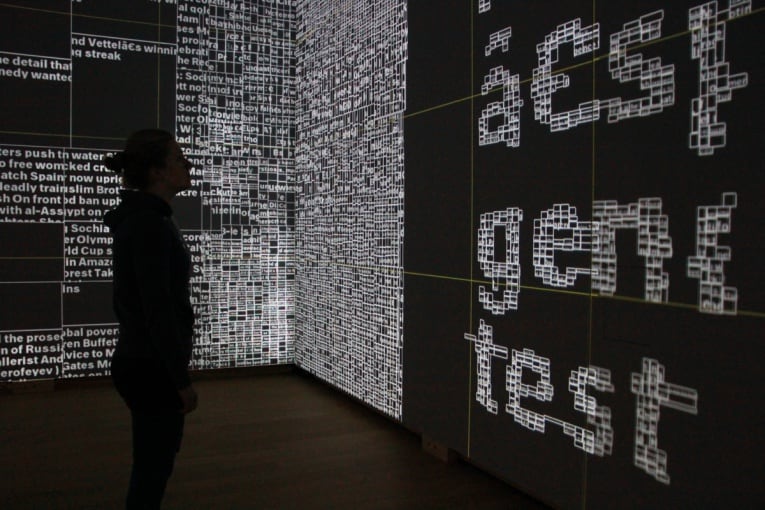
About Stedelijk Museum Amsterdam
| Type | Municipal museum |
|---|---|
| Founded | 1874 |
| Location | Museumplein, Amsterdam South, Amsterdam, Netherlands |
| Focus | Modern art, contemporary art, and design |
| Current building | Adriaan Willem Weissman, opened 1895 |
Read the full overviewWhat kind of museum is it?, Where is the Stedelijk Museum Amsterdam?, Why does the Stedelijk matter to design and visual culture?, How is it used in practice?
What kind of museum is it?
The Stedelijk began as a city museum and grew into one of Europe’s best-known institutions for modern and contemporary culture. Its collection reflects the upheavals of the twentieth century: abstraction, De Stijl, postwar experiment, conceptual art, media work, graphic identity, and industrial design. That breadth matters because the museum treats design as part of the same visual history as painting and sculpture, not as a separate decorative field.
In practice, that means exhibitions can move from a canvas to a chair to a poster system or an immersive installation without treating any one medium as secondary. The museum’s identity is tied to circulation between disciplines, which makes it especially relevant to artists and designers who work across object, image, and space.
Where is the Stedelijk Museum Amsterdam?
The museum stands on Museumplein, the large cultural square in Amsterdam South shared with the Rijksmuseum, the Van Gogh Museum, and the Concertgebouw. That setting places it inside a dense civic landscape of public culture rather than at the edge of the city. The location also helps explain its audience: the Stedelijk serves both local visitors and the international art world.
The present building, designed by architect Adriaan Willem Weissman, opened in 1895. Its later expansions and renovations have changed the experience of moving through the museum, but the institution remains anchored to the same prominent site. The building’s history matters because the museum’s architecture has had to adapt to a collection that keeps expanding into newer forms of practice.
Why does the Stedelijk matter to design and visual culture?
The Stedelijk gained influence by collecting and showing work that many museums once ignored: graphic design, product design, industrially produced objects, and later installation and media-based practices. That made it a key place for understanding how modern culture is made, not only how it is displayed. The museum’s programming helped establish design as a serious subject of criticism and history, with its own materials, methods, and authors.
For a reader coming from an article on interactive installation, the Stedelijk is relevant because it has been a venue where spatial and participatory works are tested in public. Installations often depend on movement, light, sound, digital interfaces, and the viewer’s physical presence, all of which fit the museum’s interest in art that extends beyond the framed object. The institution has long given such work an institutional home rather than treating it as a side branch of contemporary art.
How is it used in practice?
In daily terms, the Stedelijk functions as an exhibition space, collection steward, research resource, and public program venue. Curators shape displays around artists, movements, or themes, then use objects, printed matter, video, architecture, and digital media to build arguments about how form changes over time. Conservation and collection work are especially important because many of the museum’s objects are made from unstable or hybrid materials: plastics, light-sensitive prints, software-dependent works, textile, and assembled components.
The museum also plays a role in documenting design authorship. Posters, type systems, furniture, and product prototypes sit alongside fine art because they reveal the same questions about form, labor, reproduction, and use. That approach makes the Stedelijk useful not only as a display venue but as a place where the material history of modern visual culture is organized and made legible.
Frequently Asked Questions
Is the Stedelijk Museum Amsterdam only an art museum?
No. It is a museum of modern and contemporary art, but design is central to its collection and identity. That includes graphic design, industrial design, furniture, and related material culture. The museum treats those fields as part of the same modern visual history.
Why is the Stedelijk often mentioned in discussions of installation art?
Because installation art depends on space, movement, and the viewer’s physical experience, and the Stedelijk has long presented work that uses those qualities. Its galleries can host immersive, process-based, and mixed-media works that do not fit traditional picture-hanging conventions. That makes it a natural point of reference for artists working with interactive environments.
What makes the museum’s collection significant?
Its collection documents major developments in modern art and design, especially those that changed how objects are made and understood. It includes works and materials that range from paintings to posters to designed furniture, showing how artistic practice expanded into everyday life. That breadth gives the museum unusual value as a record of modernity in visual form.