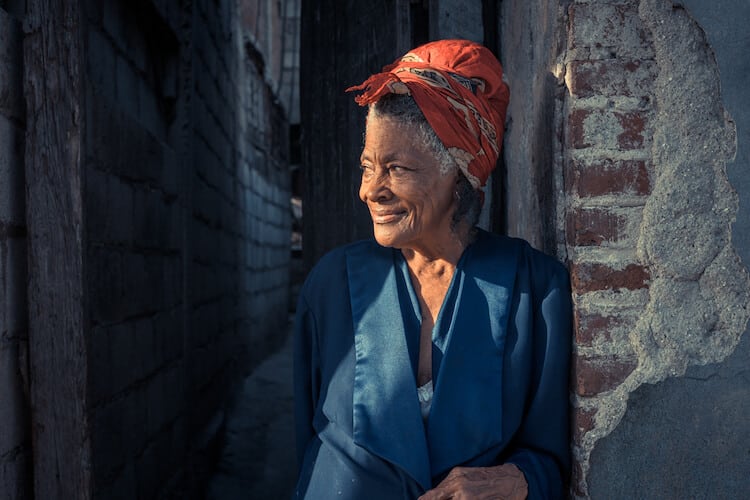
Stijn Hoekstra is a photographer known for vivid, travel-oriented documentary images that focus on street life, color, and the visual rhythm of everyday scenes. His work appears in magazine features that use photography to present places through atmosphere as much as through information, with attention to light, gesture, architecture, and small social details.
| Field | Photography |
|---|---|
| Known for | Documentary and travel photography with strong color and street-level observation |
| Subjects | People, public space, urban life, local customs, and daily movement |
| Style | Bright, direct, visually busy images that emphasize pattern and mood |
| Appears in | Editorial photo features on Cuba and Japan |
What kind of photographer is he?
Hoekstra works in a mode that sits between documentary photography and visual reportage. The aim is not neutral cataloguing, but a shaped view of a place: what streets feel like, how people occupy public space, and how old and new forms coexist in the same frame.
That approach depends on timing and attention more than on elaborate staging. A good image in this style often catches a passing expression, a layered street corner, or an everyday action that reveals social texture without needing explanation.
What does his photography look like in practice?
His published work tends to use saturated color, strong natural light, and dense compositions. Figures, signs, facades, vehicles, and objects often share the same frame, creating images that feel crowded in a deliberate way rather than simplified for clarity.
This matters because the photograph is doing more than showing a landmark. In a feature on Cuba, for example, the visual language would likely stress sun, paint, wear, and motion; in Japan, it would capture the overlap of historic detail and contemporary urban pace. The images function as evidence of place, but also as design objects with rhythm, contrast, and surface interest.
Why does this kind of photography matter?
Travel and editorial photography shape how distant places are imagined. A photographer like Hoekstra helps determine whether a place reads as generic, picturesque, or specific. When the work is careful, it resists flat stereotypes and shows how a culture is carried by ordinary materials: pavement, clothing, posters, storefronts, shadows, and light.
It also matters inside publishing. Magazine editors use photographs to build a narrative quickly, and a photographer’s visual choices often set the tone for the entire article. Strong street photography can make a feature feel immediate and lived-in rather than polished into abstraction.
How is this work made?
This kind of photography usually relies on close observation, mobility, and a fast response to changing conditions. The photographer has to read scenes quickly, anticipate movement, and work with available light, especially outdoors. Color management is also important, because the emotional effect of the image often depends on how reds, blues, yellows, and skin tones sit against each other.
Composition is another craft element. Frames like these often balance foreground clutter with a clear subject, or use architectural lines to hold together a busy scene. The result is a picture that looks spontaneous, but usually depends on a disciplined eye for structure.
Frequently Asked Questions
Is Stijn Hoekstra a street photographer or a travel photographer?
He can be described as both, depending on the assignment. His work uses street-photography habits such as quick framing, candid observation, and attention to public life, but it is also shaped by editorial travel coverage. The result is photography that documents place while still aiming for visual impact.
What subjects appear most often in his work?
People in public spaces are central, along with the built environment around them. Streets, signage, architecture, vehicles, and everyday routines often carry as much meaning as the main subject. That mix gives the images their sense of density and movement.
Why is his name attached to articles rather than just image captions?
Editorial photography credits the maker because authorship matters in visual journalism. A photographer’s choices determine angle, color, distance, and mood, which in turn shape how readers understand the story. Naming the photographer acknowledges that the picture is not just illustration; it is a crafted part of the article.
Articles mentioning Stijn Hoekstra