
Tatler is a British society magazine that reports on wealth, style, nightlife, and the social world around the upper classes. It began in 1901 as a modern revival of the title first used by Richard Steele in 1709, and it became known for glossy production, celebrity coverage, and a sharply observed view of status and fashion.
Stories from Tatler
4 stories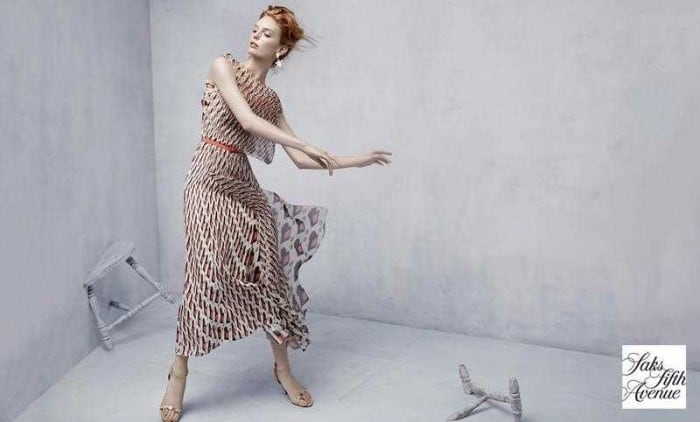

About Tatler
- Founded in its modern form in 1901, with an older title dating to 1709.
- Built around society news, fashion, parties, and profiles of prominent people.
- Known for polished magazine design and a tone that mixes admiration with social satire.
- Often appears in fashion and portrait photography as a marker of prestige and access.
Read the full overviewWhere did Tatler come from?, What does Tatler cover?, Why does Tatler matter in visual culture?, How has the magazine changed over time?
Where did Tatler come from?
The original Tatler was launched by Richard Steele in 1709 as a periodical that commented on manners, politics, and fashionable life in London. The title was revived in 1901 as a society magazine, inheriting the name’s association with gossip, observation, and elite culture. That second life gave the magazine a long historical claim while placing it firmly in the modern illustrated press.
Its continuity matters less as a straight line than as a reuse of a loaded name. Tatler has always implied a close view of social performance: who is invited, who is photographed, who is dressed well, and who gets written up. The magazine’s subject is not just fashion but the public staging of class.
What does Tatler cover?
Tatler covers the social calendar of the wealthy: parties, weddings, debuts, charity events, seasonal dressing, interiors, and prominent families. It also publishes interviews, style features, and profiles that present status as something visible, performative, and carefully maintained. In practice, this means a mix of reportage and aspiration, with images that flatter polished surfaces.
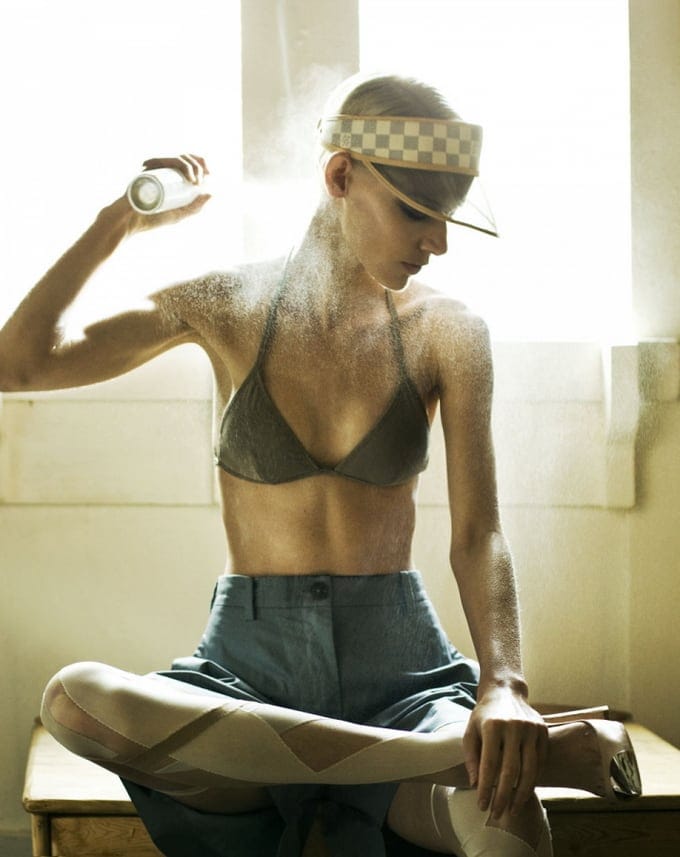
The magazine’s visual language is central to its identity. Fashion spreads often use formal settings, strong styling, and controlled lighting to produce a sense of access and privilege. Portraits and event photography associated with Tatler tend to emphasize composure, polish, and the details that signal class: fabric, posture, decor, and grooming.
Why does Tatler matter in visual culture?
Tatler matters because it helped make society itself a media subject. It turned upper-class life into a recurring visual genre, one that depends on clothes, interiors, and photographed occasions as much as on text. That has had a lasting influence on how British glamour is framed: less about red-carpet spectacle and more about lineage, invitation, and taste.
For photographers and stylists, the magazine offers a specific kind of brief. The work needs to look expensive, but also socially legible; it should suggest a world with rules, pedigrees, and codes of dress. That makes Tatler useful as a reference point in fashion photography, where the image must carry both polish and social meaning.
How has the magazine changed over time?
Over more than a century in its modern form, Tatler has shifted with publishing trends while keeping its core interest in elite social life. It has moved through different editorial styles, refreshed its design, and adapted to a media landscape shaped by celebrity culture and digital attention. Even when the emphasis changes, the magazine still trades on a specific promise: access to a curated version of high society.
That longevity also explains its symbolic value. When a photographer’s work appears alongside Tatler, the association can imply luxury, establishment polish, or a relationship to British social codes. The magazine is not merely a venue; it is a signal about the kind of world an image belongs to.
Frequently Asked Questions
Is Tatler a fashion magazine or a society magazine?
It is both, but society coverage sits at its center. Fashion matters because clothing is one of the main ways the magazine visualizes class, taste, and privilege. The magazine’s identity comes from the overlap between style reporting and social reporting.
Why is Tatler often mentioned in photography credits and portfolios?
The title carries prestige, so appearing in it can strengthen a photographer’s profile. It also suggests a particular visual brief: elegant, controlled, and aimed at an affluent readership. For that reason, photographers often cite it as evidence of commercial fashion and portrait work at a high level.
How is the modern Tatler related to the original 1709 publication?
The modern magazine uses the same name and inherits its social tone, but it is not a direct uninterrupted continuation of the original paper. The 1709 Tatler was a periodical by Richard Steele; the present magazine began in 1901. The link is historical and stylistic rather than a simple one-to-one institutional continuity.