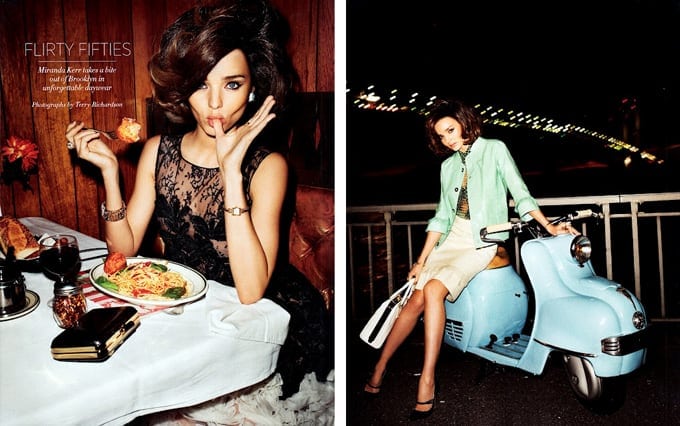
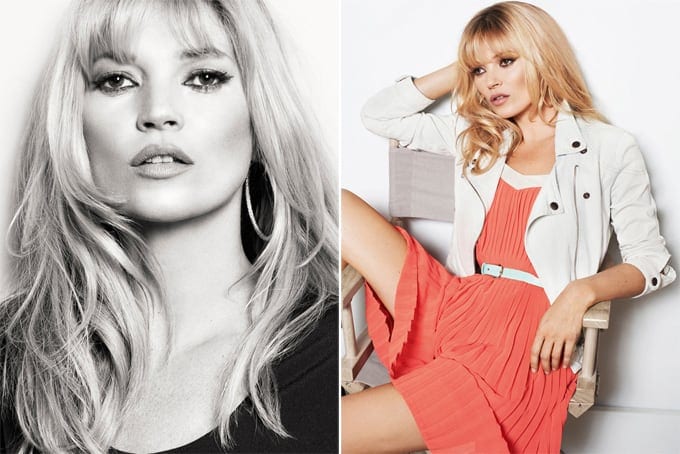
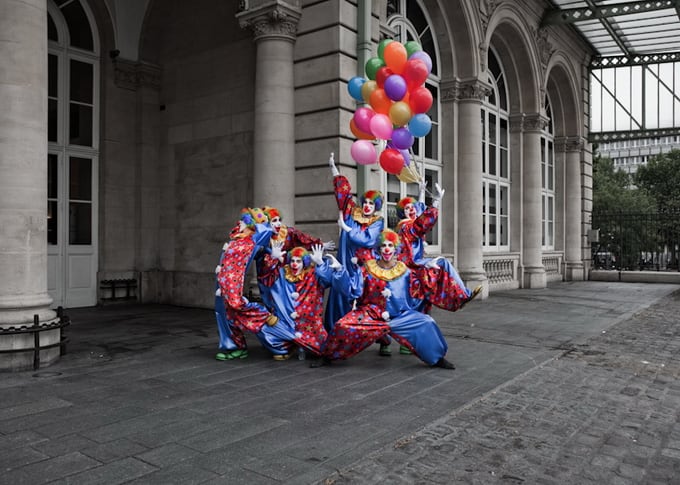
Terry Richardson is an American fashion, portrait, and documentary photographer known for a blunt, flash-heavy style that looks borrowed from amateur snapshots and backstage contact sheets. His pictures helped define a late-1990s and 2000s model of glossy editorial photography that traded polish for provocation, intimacy, and the appearance of spontaneity. He became one of the most visible photographers in fashion, while also becoming one of its most disputed figures.
- He built a signature look around direct flash, plain backgrounds, and tight, casual framing.
- His work blurred editorial portraiture, celebrity photography, and sexual provocation.
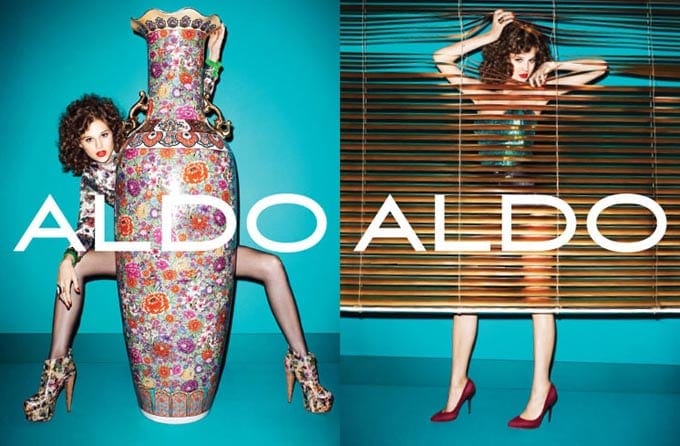
- Major magazines and fashion brands used his images because they felt immediate and commercially current.
- His career has been shadowed by repeated misconduct allegations and public criticism.
- His influence is visible in later fashion photography that imitates his raw, anti-gloss aesthetic.
What makes Terry Richardson’s style recognizable?
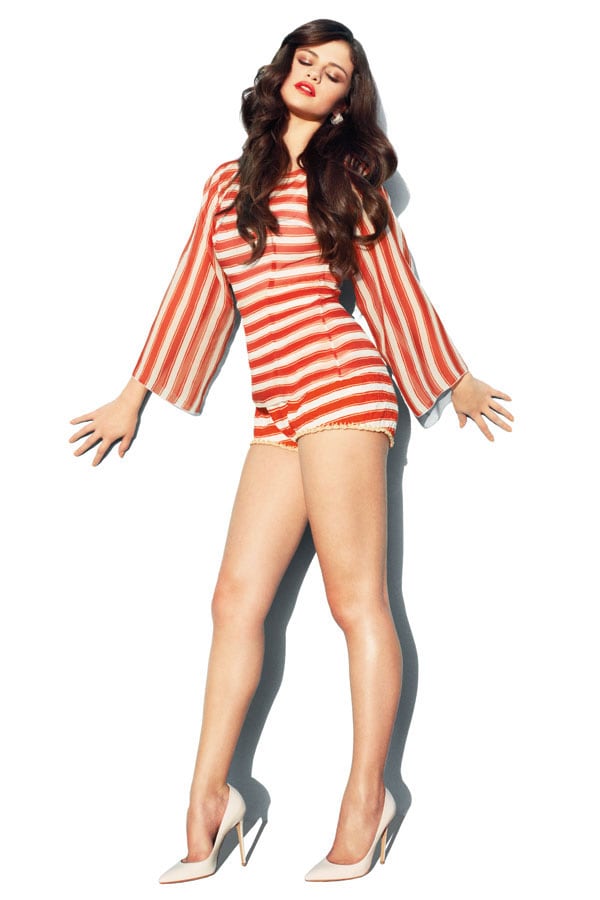
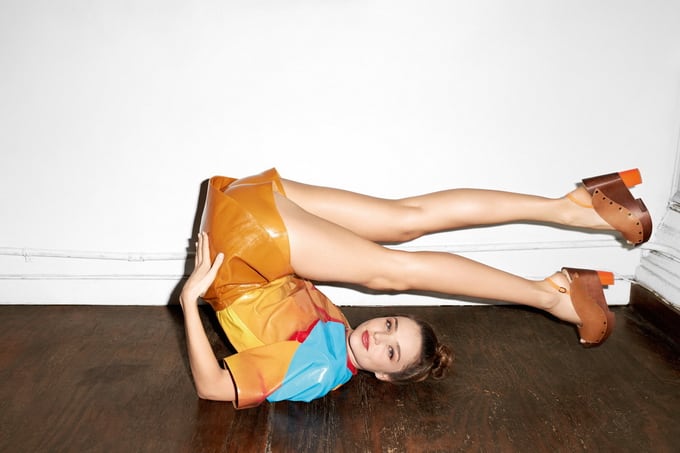
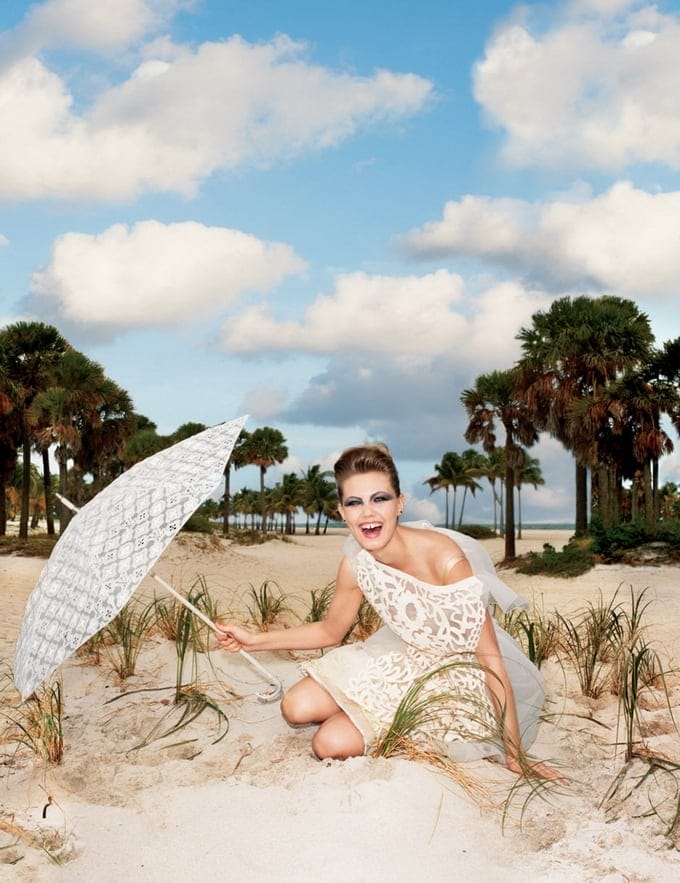
Richardson’s pictures usually look stripped down on purpose. He favors harsh on-camera flash, simple compositions, visible skin texture, awkward cropping, and a flatness that removes the soft lighting and elaborate art direction associated with older fashion photography. The result often resembles a quick private snapshot rather than a carefully staged editorial image, even when the production around it is highly controlled.
That look matters because it shifted the tone of fashion imagery. Instead of presenting clothing as distant luxury, his photographs often made models and celebrities appear confrontational, jokey, bored, or sexually charged. The style helped normalize a faster, rougher visual language in magazines and advertising, one that could feel candid while still serving a commercial brief.
Where did he come from?
Richardson emerged from the American photography scene of the 1990s, when fashion image-making was loosening its old rules. Editors and art directors were looking for photographs that felt less posed and more immediate, and his raw manner fit that moment. He worked across portraiture, nightlife scenes, and fashion assignments, building a reputation through images that looked unfiltered and slightly reckless.
His rise also depended on the machinery of glossy publishing. Once magazines and brands embraced his visual approach, the style spread quickly across editorial culture. What looked like anti-fashion became a marketable fashion signature, and Richardson’s name became attached to a broader shift toward casualness, irony, and performative authenticity.
Why did his work matter?
Richardson mattered because he made a particular kind of looseness feel like a professional aesthetic. He showed that an image could appear improvised and still function as high-value fashion photography. That idea proved influential far beyond his own shoots, shaping how magazines presented celebrities, how brands used sexuality, and how photographers framed “realness” as a selling point.
His influence is especially visible in the use of flash, bare backgrounds, and one-step-away-from-a-polaroid immediacy in later editorial work. Many photographers borrowed the surface language without copying his exact subjects or tone. The larger shift was toward images that looked less precious, more accessible, and more aggressively direct.
What is controversial about him?
Richardson’s career has been dogged by allegations of sexual misconduct and exploitative behavior, which he has denied. Those accusations changed how many people view his pictures, because the work often uses exposed bodies, forced intimacy, and the aesthetics of access as its visual material. In his case, the public debate has never stayed separate from the images themselves.
That controversy has also made him a useful case study in the ethics of fashion photography. His work raises questions about consent, power, and the difference between frankness and exploitation. In a field that often sells transgression as style, Richardson became one of the clearest examples of how a signature look can carry a moral burden.
Frequently Asked Questions
Is Terry Richardson a fashion photographer or a portrait photographer?
He is both. His name is most closely associated with fashion editorial work, but he has also photographed actors, musicians, models, and other public figures in portrait settings. The same visual habits run through both areas: direct flash, minimal staging, and a deliberately rough finish.
What does a Terry Richardson photo usually look like?
It usually looks blunt, close, and bright enough to flatten shadows. The frame often feels casual, as if the image was made quickly, but the pose and styling are still tightly managed. Many of his photographs also use sexualized or teasing gestures to create tension between glamour and awkwardness.
Why do people still talk about him?
People still talk about him because his style became widely copied and because the allegations around his conduct made his legacy highly contested. He remains relevant as both an aesthetic influence and an ethical problem. That combination keeps him central to discussions of fashion photography’s recent history.
Articles mentioning Terry Richardson